
Planting
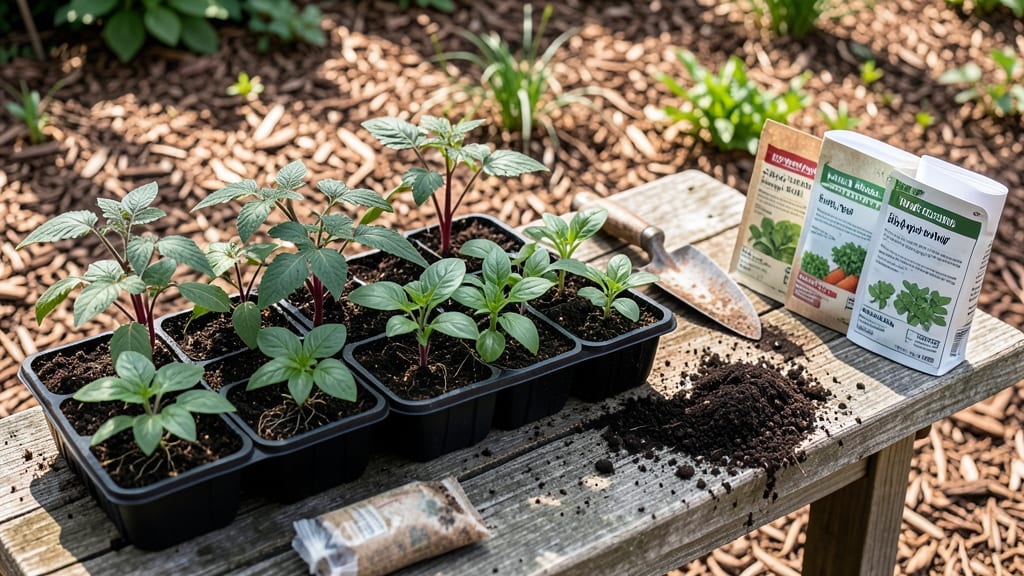
Timing when to plant a garden in Indiana can mean the difference between a thriving harvest and a sad, frost-nipped disappointment. With USDA Zones 5-6 bringing unpredictable weather swings, knowing exactly when to plant—whether it's tomatoes in May or radishes in September—is the key to success.
I’ve spent years watching Hoosier gardens flourish (and sometimes fail) based on planting schedules, and the patterns are clear: miss the window by even a week, and you risk stunted growth or worse.
Whether you’re a first-time gardener or a seasoned green thumb, these exact deadlines will help you avoid common mistakes and maximize your yield.
From cool-season crops like spinach that love early spring to heat-loving peppers that need warm soil, we’ll break down the best planting times for every type of garden.
Plus, I’ll share pro tips for adjusting your schedule when Indiana’s weather throws curveballs—because let’s face it, Mother Nature doesn’t always follow the rules.
Ready to grow a garden that rivals your neighbors’? Let’s dive into the perfect planting calendar for Indiana, so you can enjoy fresh veggies from your backyard all season long.
Indiana spring planting deadlines by crop type (USDA zone 5-6 guide)
Indiana gardeners face a tricky balance—warm-season crops like tomatoes and peppers need soil temperatures above 60°F, while cool-season crops like spinach and peas thrive in cooler conditions.
The average last frost date in northern Indiana (Zone 5) is around April 15, but southern Indiana (Zone 6) can be 1-2 weeks earlier. Missing these windows means stunted plants or lost harvests.
For warm-season crops, wait until after your last frost date and when soil reaches 60°F+.
In northern Indiana, this is usually mid-to-late May, while southern Indiana gardeners can start as early as early May. Peppers and eggplants are the most sensitive—plant them too soon, and they’ll rot in cold soil.
Cool-season crops like lettuce, spinach, and peas can handle light frosts and should be sown 4-6 weeks before your last frost date. In northern Indiana, this means early April for hardy varieties, but always cover seedlings with frost cloth if nighttime temps dip below 28°F.
Southern Indiana gardeners have a slightly longer window.
Here’s your Indiana spring planting timeline broken down by crop type, including backup windows for late starts:
Use soil thermometers to confirm readiness—warm-season crops won’t germinate in cold soil, no matter how late you plant. For example, tomato seeds need soil at 70°F+ to sprout reliably.
If you’re unsure, start pepper and tomato seedlings indoors 6-8 weeks before your last frost date and transplant them after the danger of frost has passed.
Northern Indiana gardeners should also account for late-spring frosts, which can occur as late as May 15. If frost is forecasted, protect tender plants with row covers or cloches.
Southern Indiana’s milder climate allows for earlier starts, but don’t rush—peppers and eggplants still need warm soil to thrive.
For succession planting, sow lettuce, radishes, and beans every 2-3 weeks after your initial planting date. This ensures a continuous harvest and maximizes your garden’s productivity.
For example, if you plant radishes on April 15, follow up with another batch on May 1 and June 1 for a staggered harvest.
If you miss the spring window, don’t despair—fall planting is another great option for crops like kale, broccoli, and spinach. These cool-season crops can be sown 6-8 weeks before your first frost date (typically late August to early September in Indiana).
Just be sure to use cold-hardy varieties and protect them with mulch as temperatures drop.
Pro tip: Monitor local weather forecasts and use Indiana’s frost date maps from Purdue Extension for real-time updates. Adjust your planting schedule based on actual conditions, not just averages. A few extra weeks of patience can mean the difference between a bountiful harvest and a disappointing yield.
Fall planting in Indiana: which crops thrive before first frost?
Fall gardening in Indiana (USDA Zones 5-6) offers a second chance for harvests before the first frost, typically arriving between October 15-30 depending on your region. Cool-season crops like kale and broccoli actually taste sweeter after light frosts, while radishes and spinach mature quickly for late-season bounty.
The key is timing—plant too early and they’ll bolt; too late and they won’t mature before cold sets in.
For direct-sown crops, start seeds 6-8 weeks before your average first frost date. In northern Indiana, that means mid-August for fast growers like radishes (25 days to harvest) and early September for spinach (40 days).
Southern Indiana gardeners have until early October. Transplants like broccoli or cauliflower need even more time—plant them by mid-to-late August to ensure a harvest before winter.
Extending the season with row covers or cold frames can push harvests 2-4 weeks later. These protective barriers trap heat and shield plants from light frosts (28-32°F).
For example, garlic planted in October will overwinter and produce scapes the following summer, while lettuce under row covers can survive 20°F temperatures. Just remove covers during the day to prevent overheating.
Here’s a quick comparison of fall planting methods to help you decide which approach works best for your garden:
Direct Sowing vs. Transplanting in Fall
Direct Sowing
- Pros: Faster growth for fast-maturing crops (radishes, lettuce).
- Cons: Limited to small seeds; harder to space evenly.
Transplanting
- Pros: Better for larger plants (broccoli, cabbage) with established roots.
- Cons: Requires more time to harden off seedlings.
Best For
- Radishes, spinach, turnips (direct sow).
- Kale, broccoli, carrots (transplant).
Timing Tip
- Direct sow 6-8 weeks before frost.
- Transplant 8-10 weeks before frost.
Don’t overlook garlic and onions as fall staples—plant cloves in October for a summer harvest the following year. These cold-hardy crops benefit from chilling temperatures, which sweeten their flavor.
For herbs, try parsley or cilantro, which thrive in cooler weather and can be harvested straight from the garden until December with protection.
To maximize your fall garden, prioritize soil prep in early August. Amend beds with compost to replenish nutrients, and mulch heavily with straw to insulate roots. Avoid over-fertilizing with nitrogen, which can cause bolting in cool-season crops.
Instead, use a balanced 10-10-10 fertilizer at planting time and side-dress with compost tea mid-season for a gentle boost.
With the right crop selection and protection strategies, your fall garden can outperform spring plantings. Start with fast growers like radishes, then layer in longer-season crops like kale or cabbage.
And remember: Indiana’s fall weather is unpredictable—always have row covers on hand to shield tender greens from unexpected 20°F nights.