
Planting
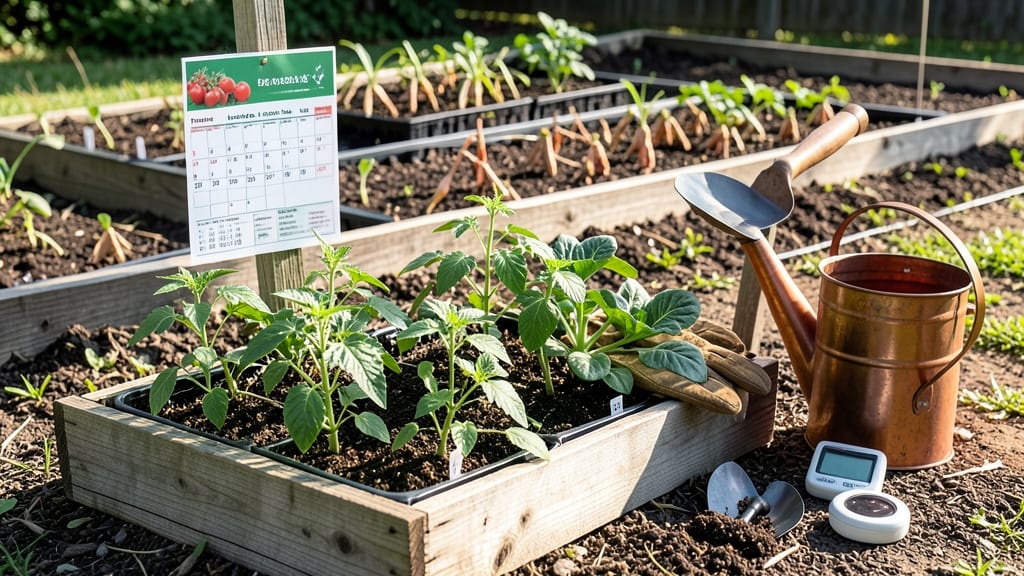
Planting your garden at the wrong time in Georgia can mean the difference between a thriving harvest and a disappointing flop. With 7b-8b heat zones and two prime planting windows—spring and fall—timing is everything for your 🌱 general garden plants.
Most gardeners in Georgia know the basics: late February to early April for spring and late August to early October for fall. But what you might not realize is how microclimates—like the coastal humidity or Piedmont’s cooler nights—can shift those windows by weeks.
A 5-day delay in planting warm-season crops like okra or sweet potatoes could leave them struggling in summer heat.
In this guide, I’ll break down the exact planting calendar for your zone, including when to start seeds indoors versus direct-sowing outdoors.
You’ll also learn how to adjust for Georgia’s last frost dates (mid-March) and first frost (mid-November), so you never miss the sweet spot for your favorite vegetables, flowers, or herbs.
Ready to grow a garden that outperforms last year’s? Let’s get started with the perfect timing for your Georgia plot.
Georgia planting calendar by heat zone: spring vs fall timing
Georgia’s diverse heat zones (5A-8B) create unique planting challenges, but understanding your zone’s last spring frost and first fall frost dates is key to a thriving garden.
In Zone 7B, where most metro Atlanta gardens fall, you’ll have 210-240 frost-free days, while Zone 5A (north Georgia mountains) sees shorter seasons. Timing matters—plant too early, and frost will kill tender seedlings; too late, and summer heat stunts growth.
Spring planting in Georgia typically begins 4-6 weeks before your last frost date, which ranges from mid-March in Zone 8B (southeast GA) to late April in Zone 5A (northwest GA).
Fall planting works in reverse—start 60-90 days before your first frost, usually late August to early October, depending on your zone. For example, Zone 7A gardeners can extend fall harvests until early November, while Zone 8B may see frost as late as December.
Here’s how to navigate Georgia’s planting windows by heat zone, including when to start seeds indoors vs. direct-sow outdoors for vegetables, flowers, and herbs:
For spring planting, begin with cool-season crops like lettuce and peas 4-6 weeks before your last frost date.
In Zone 7B, this means sowing seeds by mid-February for an early spring harvest. Warm-season crops, including tomatoes and peppers, should wait until after your last frost and when soil temperatures hit 60°F—typically mid-April in Zone 7B or earlier in Zone 8B.
Start these indoors 6-8 weeks before transplanting to give them a head start.
Fall planting offers a second chance for cool-season crops like kale and carrots, which thrive in Georgia’s milder autumn temperatures.
In Zone 7A, aim to plant by early September for a harvest before frost. Herbs like cilantro also perform well in fall, while warm-season crops like okra can be direct-sown until mid-summer
Best crops to plant in Georgia’s spring vs fall seasons
Georgia’s long growing season lets you grow two full harvests annually—but timing matters. Spring brings heat-tolerant crops like sweet potatoes and okra, while fall’s cooler temps suit broccoli and spinach. Planting at the wrong time means bolting greens or wilted tomatoes before harvest.
For spring planting, focus on warm-season vegetables like peanuts and pecans, which thrive in Georgia’s heat. In fall, cool-season crops like kale and carrots flourish as temperatures drop. Each season offers unique opportunities for your garden’s success.
🌱 Spring Planting (March–May)
- 🌿 Okra – Plant after last frost (April 15 in most zones). Thrives in 90°F+ heat and needs well-draining soil.
- 🍠 Sweet Potatoes – Start slips (young plants) in late April for a 120-day harvest. Needs full sun and loose soil.
- 🌶 Peppers – Sow seeds indoors in March, transplant after April 1. Loves hot afternoons and 6+ hours of sun.
- 🌻 Sunflowers – Direct-sow late March–April for summer blooms. Attracts pollinators and tolerates dry spells.
🍂 Fall Planting (August–October)
- 🥦 Broccoli – Sow seeds late July–early August for harvest before first frost (November 15). Prefers cool nights and rich soil.
- 🌱 Spinach – Plant late August–September for a 45-day harvest. Thrives in 50–70°F temps and partial shade.
- 🥕 Carrots – Sow September–October for sweet roots. Needs loose, stone-free soil to prevent forked roots.
- 🌼 Pansies – Plant September–October for winter color. Tolerates light frosts and adds early spring interest.
Don’t overlook Georgia’s regional specialties like peanuts (plant May–June) or pecans (sow spring for fall harvests). Adjust timing by 1–2 weeks based on your local last frost date—check the Georgia Climate Toolkit for precise guidance.
Pro tip: Use row covers in early spring or late fall to extend growing seasons and protect tender crops from unexpected frosts. With the right timing, your Georgia garden can yield bountiful harvests twice a year! 🌿