
Planting
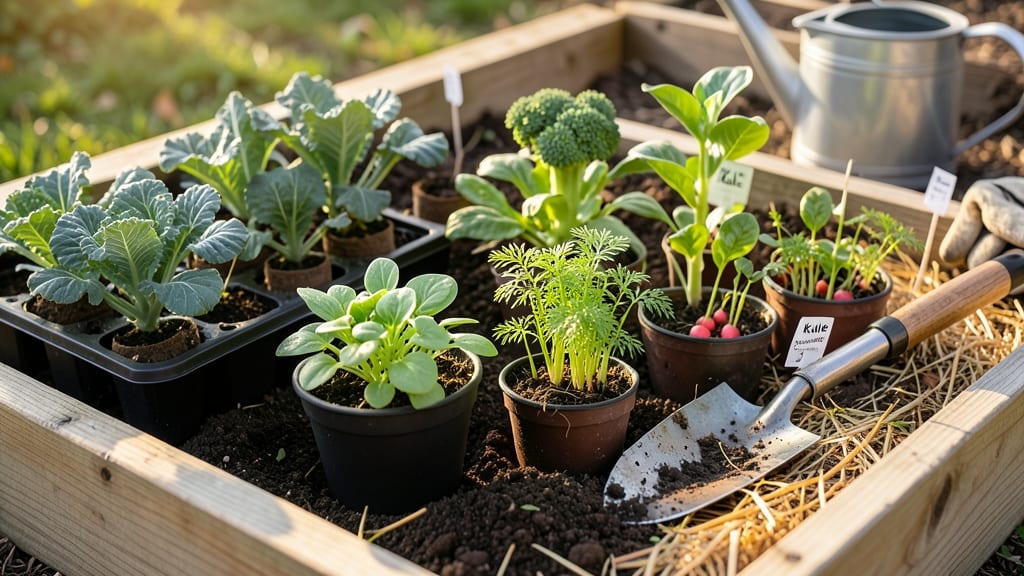
Planting a fall garden in Zone 7 isn't just about timing—it's about catching that sweet spot between soil warmth and cooling temperatures to ensure fast germination and healthy growth. If you've ever watched seeds sit stubbornly in the soil without sprouting, you know how frustrating it can be.
Most gardeners assume fall planting is simply a delayed version of spring, but the 🌱 key difference lies in soil temperature triggers that dictate when to plant.
Cool-season crops like spinach and kale thrive when the ground cools to between 50-70°F, creating a narrow window where success hinges on precision.
I’ve learned the hard way that planting too early risks bolted greens, while waiting too late means frost steals your harvest. The secret? Understanding your local microclimate and adjusting for it—whether that’s using row covers or sticking to a strict timeline.
In this guide, I’ll walk you through the exact dates, soil tests, and fast-growing crops that guarantee a bountiful fall harvest—before the first frost even arrives.

Zone 7 fall planting timeline: exact dates by soil temperature for fast germination
Fall gardening in Zone 7 is your secret weapon for a second harvest—if you nail the timing. Unlike spring, where warm soil speeds up germination, fall relies on soil temperatures between 50-70°F for consistent sprouting.
Plant too early, and your seeds rot; too late, and frost steals your harvest. The key? Monitoring soil temps and adjusting for your specific Northern vs. Southern Zone 7 location.
Most cool-season crops thrive when soil temps hover around 60-65°F, but faster germinators like radishes and spinach can sprout at 50°F. Slower growers like broccoli or kale need warmer soil (65-70°F) to avoid leggy, weak seedlings.
Below, I’ll break down the exact planting windows by crop type, regional variations, and how to tweak your schedule for microclimates—like a sunny south-facing bed vs. a shady north corner.
| Crop Type | Ideal Soil Temp (°F) | Northern Zone 7 Dates | Southern Zone 7 Dates | Germination Time | Notes |
|---|---|---|---|---|---|
| Leafy Greens (Lettuce, Spinach, Kale) | 50-60°F | Late August–Mid-Sept | Early Sept–Early Oct | 5-10 days | Use row covers for cooler nights |
| Root Vegetables (Carrots, Beets, Radishes) | 55-65°F | Mid-August–Late Sept | Late August–Mid-Oct | 7-14 days | Radishes sprout fastest; thin seedlings |
| Brassicas (Broccoli, Cabbage, Brussels Sprouts) | 65-70°F | Early Sept–Mid-Sept | Late Sept–Early Oct | 10-21 days | Start indoors 4-6 weeks before transplanting |
| Alliums (Onions, Garlic, Leeks) | 50-60°F | Late August–Early Sept | Early Sept–Mid-Sept | 10-14 days | Onion sets can be planted later |
⚠️ Adjust dates 1-2 weeks earlier for microclimates (e.g., shaded areas or high-altitude gardens).
For Northern Zone 7 (e.g., Cincinnati, Indianapolis), aim to plant leafy greens by late August when soil temps drop to 60°F. If your area experiences early frosts (like October 15), prioritize fast-sprouting radishes or spinach—they’ll germinate in 5-7 days and mature before cold sets in.
In Southern Zone 7 (e.g., Atlanta, Raleigh), you’ve got flexibility until early October, but watch for soil temps below 50°F, which can stall germination entirely.
Microclimates throw a wrench into these dates. A south-facing raised bed might stay 10°F warmer than your north-side garden, letting you plant broccoli a week later. Use a soil thermometer (just $10) to check temps at 4-inch depth—that’s where seeds actually experience the environment.
Pro tip: Test temps at 10 AM on a cloudy day for the most accurate reading.
Succession planting is your best friend in fall. Instead of dropping all your kale seeds at once, stagger plantings every 2 weeks to ensure a steady harvest. For example, if your first batch of spinach bolts by mid-October, a second planting in <
How to test soil temperature and adjust planting for maximum success
Testing soil temperature is the secret to unlocking your Zone 7 fall garden's potential. Cool-season crops like spinach and kale need specific temperature ranges to germinate properly—too hot or cold, and you'll waste seeds.
A simple soil thermometer (just $10) gives you precise readings that tell you exactly when to plant for fast germination and strong starts.
Most cool-season vegetables thrive when soil temps stay between 50°F and 70°F. Check temperatures in the morning (after dew dries but before the sun heats the soil) for the most accurate reading.
This is especially critical in Zone 7, where fall weather can swing wildly between warm days and chilly nights.
⚠️ callout warning
⚠️ Common Mistake: Planting Too Early or Late
Planting too early in warm soil (above 70°F) causes seeds to rot or sprout unevenly. Planting too late risks seedlings not maturing before frost. Zone 7's first frost typically arrives around November 15, so aim to plant 4-6 weeks before that date. For example, radishes (germinate in 3-5 days) should go in by mid-September for a fall harvest.
To extend your growing season, use row covers or cold frames to protect young plants. These simple tools can add 2-4 weeks to your harvest window by trapping heat during the day and insulating at night.
For example, I use floating row covers over my broccoli and cabbage to keep soil temps ideal even when air temps drop below freezing.
If you miss the ideal window, try succession planting. Instead of sowing all your lettuce seeds at once, plant small batches every 2 weeks from August through September. This ensures a steady supply of fresh greens and maximizes your garden space.
For instance, I plant baby spinach in early August, then again in late August and early September for three harvests before frost.
Don't forget to adjust your watering schedule as temperatures drop. Cool-season crops need consistent moisture but are less tolerant of soggy soil than summer plants. Water deeply in the morning (before 10 AM) to reduce fungal risks, and mulch with straw or leaves to maintain even soil temps.
I've found that a 2-inch layer of mulch keeps my soil temps stable and reduces watering needs by 30%.
By mastering soil temperature checks and using these simple adjustments, you'll transform your Zone 7 fall garden from a gamble into a reliable harvest. Start with a soil thermometer, monitor temps daily, and don't hesitate to use season-extending tools.
Your future self (and your dinner table) will thank you! 🌱