
Plants
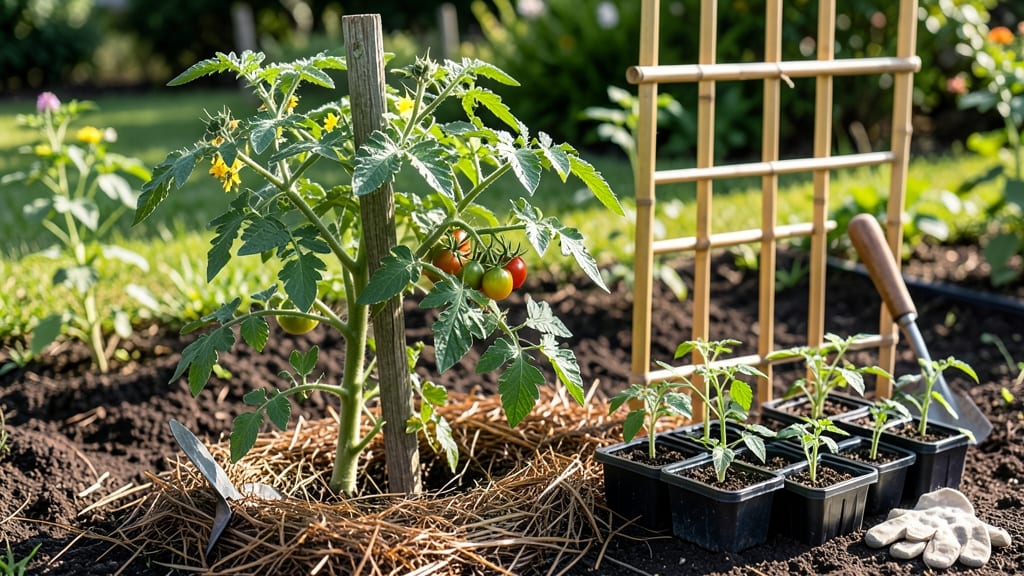
When should you plant tomatoes in Ohio? Timing your tomato planting in Ohio isn't just about the calendar—it's about outsmarting Mother Nature's unpredictable swings from frost to heatwaves. Plant your 🍅 seedlings too early, and a late frost could turn your $30 investment into crow bait. But get these dates right, and you'll enjoy garden-fresh tomatoes from July through October, even in Ohio's variable USDA zones 6a-6b.
Most gardeners wait until after the average last frost date of April 15, but that's just the starting point. The real secret lies in soil temperature—your tomatoes need that ground to hit 60°F before they'll thrive.
That means checking your local microclimate, whether you're in Toledo's cooler zone 5 or Columbus's slightly warmer 6b.
Here's what you'll discover: the exact 4-week window to plant for maximum yields, how to handle Ohio's infamous "May snow" without losing your crop, and which tomato varieties actually perform best in our humidity.
We'll also cover the best indoor starting dates if you're growing from seed, so you're not scrambling when the weather finally cooperates.
Ready to turn Ohio's gardening challenges into a foolproof tomato-growing system? Let's break down the science-backed strategies that will have your plants flourishing while your neighbors are still debating whether to plant at all.
Ohio’s frost-free zones: exact planting dates by region
Ohio’s 12 distinct microclimates mean your neighbor’s perfect tomato harvest could be a frosted failure in your garden. The Buckeye State spans USDA Zones 5b-6b, but local variations—like Toledo’s lake-effect warmth or Appalachian Ohio’s late springs—shift planting windows by 2-3 weeks.
I’ve broken down the exact frost-free dates for Ohio’s key regions, so you can time your tomato transplants (or seeds) for maximum success.
Tomatoes thrive when soil hits 55°F+ and air stays above 50°F at night. But Ohio’s average last frost (April 15) hides dangerous late-spring freezes—especially in Zone 5b areas like Youngstown. Use these region-specific guidelines to avoid losing your $4 seedlings to a May frost.
Pro Tip: Verify your local last-frost date using the NOAA Climate Data tool or your local Cooperative Extension office. Even a 10-mile difference can mean 2 weeks of growth.
For northern Ohio (Toledo, Cleveland), lake-effect warmth lets you plant 2 weeks earlier than inland areas. But if you’re in southeastern Ohio (Athens, Cambridge), wait until May 15—late frosts here can hit after May 10. Always check a 7-day forecast before planting, even within the "safe window."
Ohio’s humidity and heat demand fast-maturing varieties (under 70 days) for northern zones. In Columbus and Cincinnati, you can push 80-day varieties like ‘Brandywine’ if you plant by May 1. But in Youngstown or Zanesville, stick to 50-60 day varieties unless you use row covers.
Soil temperature matters more than air temperature. Use a soil thermometer ($10 at garden centers) to confirm 55°F+ at 4-inch depth. Cold soil stunts root growth, even if air is warm. In Zone 5b, consider black plastic mulch to warm soil 5-10°F faster.
If you’re starting seeds indoors, begin 6-8 weeks before your region’s last frost. For Toledo, that’s February 20; for Youngstown, March 15. Use grow lights—window sills get too cold for strong seedlings. Harden off transplants 7-10 days before outdoor planting to avoid transplant shock.
For extended harvests
How to extend Ohio’s tomato season: stagger planting for continuous harvests
Ohio’s short growing season can feel like a race against time for tomato lovers, but with succession planting, you can turn that sprint into a marathon.
By planting tomato varieties in 4-week intervals, you’ll enjoy fresh, homegrown tomatoes from late July through October—just when Ohio’s summer heat peaks. The secret? Combining cold-hardy varieties with row covers to protect tender seedlings while extending the harvest window.
Start with early-season varieties like ‘Stupice’ or ‘Mountain Merit’, which tolerate cooler temperatures better than traditional beefsteaks. These varieties can handle light frosts and still produce fruit, giving you a head start.
Pair them with cherry tomatoes like ‘Sweet Million’ for a longer harvest window, since they ripen faster and continue producing until frost. For beefsteak varieties, opt for ‘Brandywine’ or ‘Cherokee Purple’ planted in your final succession batch.
Here’s how to maximize your harvest with a 4-week staggered timeline—perfect for Ohio’s unpredictable spring:
- 🌱 Week 1 (Mid-April): Plant cold-hardy varieties like ‘Stupice’ under row covers or in a high tunnel. Use transplants (not seeds) for faster results.
- 🌿 Week 5 (Late April): Add cherry tomato varieties like ‘Sweet 100’ or ‘Sun Gold’ for early harvests. Remove row covers if nights stay above 50°F.
- 🍅 Week 9 (Early May): Introduce beefsteak tomatoes like ‘Brandywine’ or ‘Celebrity’. Space plants 18-24 inches apart for airflow.
- 🌞 Week 13 (Mid-May): Plant heat-tolerant varieties like ‘Heatmaster’ or ‘Solar Fire’ for late-season harvests. Use mulch to retain soil moisture.
Don’t forget to harden off your seedlings before transplanting—this means exposing them to Ohio’s daytime temperatures for 7-10 days before planting. Gradually increase their time outside from 1 hour to full sun exposure to avoid shock.
If a late frost threatens, cover plants with frost cloth or move potted tomatoes indoors temporarily. Even a single night below 32°F can devastate unprotected seedlings.
To further extend your season, consider container gardening for late plantings. Pots warm up faster in spring and can be moved to sheltered spots or even indoors during cold snaps. Choose determinate varieties (like ‘Roma’ or ‘Patio’) for containers—they produce fruit earlier and are more compact.
Just ensure your containers are at least 12 inches deep and have drainage holes to prevent root rot.
With this staggered approach, you’ll avoid the heartbreak of a single harvest and instead enjoy a steady supply of tomatoes all summer long. Plus, you’ll have extra to share with neighbors or preserve for winter—because nothing beats the taste of a vine-ripened Ohio tomato picked straight from your garden.
Happy planting! 🌱