
Plants
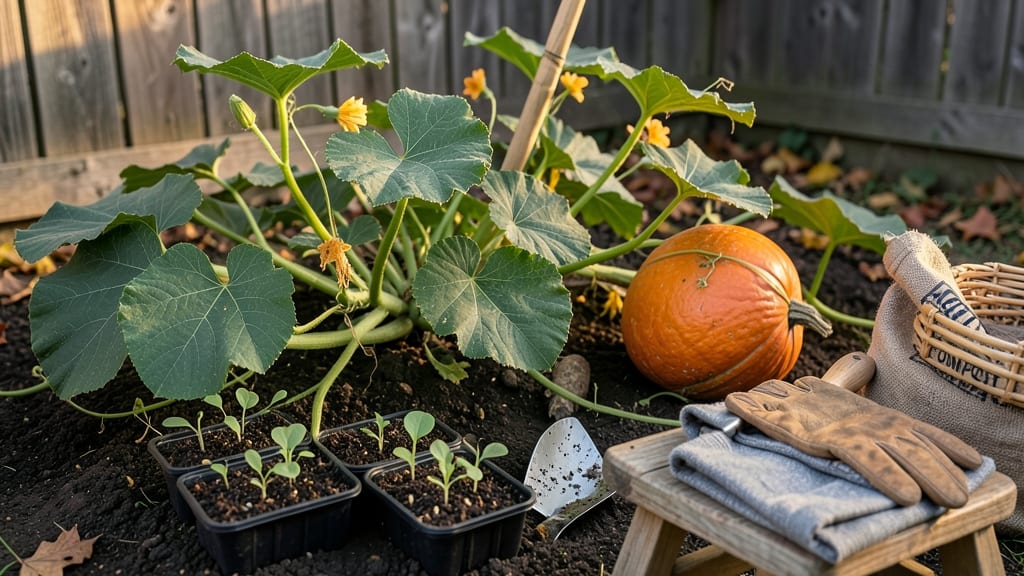
Planting pumpkins in Ohio isn’t just about dropping seeds in the dirt—it’s about nailing the perfect timing to beat frost and humidity while giving your 🎃 vines the best shot at success.
With Ohio’s USDA Zone 6a climate, you’ve got a narrow window between late spring’s last frost (usually around April 15) and summer’s scorching heat. Plant too early, and frost will nip your seedlings; too late, and your pumpkins won’t mature before the first frost in October.
I’ll walk you through the exact soil temperatures (60°F+) and regional adjustments—whether you’re in Columbus, Toledo, or Cincinnati—to ensure your pumpkins thrive. Plus, I’ll share Ohio-specific tips to handle humidity, pests, and those pesky late springs that throw off even the best-laid plans.
Ready to grow pumpkins that’ll outshine your neighbors’? Let’s get your planting schedule locked in for a harvest that’ll last from jack-o’-lanterns to Thanksgiving pies.
Ohio pumpkin planting timeline: frost dates & soil temperature rules by region
Ohio’s diverse microclimates mean your pumpkin planting window can vary by 100+ miles—from Toledo’s warmer southern zones to Cleveland’s cooler northern stretches. The key to success? Soil temperatures between 55–65°F and knowing your last frost date, which typically ranges from mid-April (south) to early May (north).
Plant too early, and frost will kill your seedlings; too late, and your 90-day varieties won’t mature before fall’s first freeze.
Northern Ohio (USDA Zones 5b–6a, e.g., Cleveland, Akron) has shorter growing seasons, while Southern Ohio (Zones 6a–6b, e.g., Cincinnati, Dayton) enjoys 2–3 extra weeks of warmth.
For example, Toledo’s average last frost is April 15, giving you a 165-day frost-free window, while Youngstown’s is May 1, cutting that to 150 days.
This means early varieties like ‘Jackpot’ (75 days) work in the north, while longer-season types like ‘Howden’ (110 days) thrive in the south.
| Region | USDA Zone | Last Frost Date | Ideal Planting Window | Soil Temp (°F) | Recommended Varieties |
|---|---|---|---|---|---|
| Northern Ohio (Cleveland, Akron) | 5b–6a | May 1–10 | May 15–June 15 | 55–65°F | Jackpot, Small Sugar, Early Golden |
| Central Ohio (Columbus, Mansfield) | 6a | April 20–May 1 | May 1–June 10 | 55–65°F | Howden, Cinderella, New England Pie |
| Southern Ohio (Cincinnati, Dayton, Toledo) | 6a–6b | April 10–20 | April 25–May 30 | 55–65°F | Long Island Cheese, Connecticut Field, Sugar Pie |
To check your local frost dates, use the Old Farmer’s Almanac or your county extension office. For soil temperature, invest in a $10 soil thermometer—planting when the soil hits 55°F ensures strong germination, while waiting for 65°F speeds up vine growth.
Pro tip: In Northern Ohio, use black plastic mulch to warm the soil 5–10°F faster than bare earth.
If you’re in Southern Ohio, you can push the envelope with early varieties like ‘Jackpot’ (75 days) planted in late April, but avoid long-season types like ‘Long Island Cheese’ (120 days) unless you’re near Cincinnati or Dayton.
For Northern Ohio gardeners, stick to short-season pumpkins or start seeds indoors 2–3 weeks earlier (transplant after last frost).
For Columbus-area gardeners, aim for May 1–15 planting—this balances frost risk and harvest timing. Use row covers if late frosts threaten, and choose compact varieties like ‘Small Sugar’ to save space.
In Toledo, where summers are hotter, succession plant every 2 weeks from April 25–May 15 to stagger harvests through October.
Watch for soil temperature swings—Ohio’s spring can jump from 40°F nights to 80°F days in a week. Use seedling heat mats ($15–$25) if planting early, and water deeply after transplanting to stabilize soil temps.
For container growing, use 5-gallon pots and place them on black plastic to mimic in-ground warmth.
Remember: Pumpkin vines need space—10–20 feet per plant is standard, but dwarf varieties like ‘Minnesota Golden’ fit 3–5 feet.
In urban gardens, trellis bush varieties (e.g., ‘Wee-B-Little’) to save room. Test your soil pH (ideal: 6.0–6.8) and amend with compost or aged manure to boost fertility before planting.
For late springs (like 2022’s May 15 last frost in Cleveland), delay planting until June 1 and choose fast-maturing varieties like ‘Autumn Gold’ (80 days). If your first frost arrives early, harvest small pumpkins for cooking—they’re sweeter and less seedy! Mark your calendar
Step-by-step pumpkin planting schedule for Ohio gardens (with backup plans for late springs)
Ohio’s spring frost dates can shift from year to year, but pumpkins thrive when planted after soil temperatures hit 55–65°F. In most of Ohio, this means waiting until mid-May for direct sowing, but starting seeds indoors in March gives you a head start.
I’ve planted pumpkins in Columbus for years, and these steps ensure success even when Mother Nature throws curveballs.
If your last frost date arrives late (like in Northern Ohio), don’t panic—succession planting and row covers can save your harvest. For Southern Ohio, you might even squeeze in a second planting by early July for smaller varieties like ‘Jack Be Little’.
Let’s map out your month-by-month plan with backup options.
🌱 Ohio Pumpkin Planting Schedule
-
📅 March (Indoor Start)
Start seeds indoors 4–6 weeks before last frost (use biodegradable pots to avoid transplant shock). -
🌱 Early April (Hardening Off)
Acclimate seedlings to outdoor temps for 1–2 weeks before transplanting. -
🌱 Mid-May (Transplant or Direct Sow)
Plant outdoors after soil warms to 60°F+ (use a soil thermometer to check). -
🌱 Late May–June (Succession Planting)
For Southern Ohio, sow a second batch by June 1 for smaller varieties. -
🌱 June (Backup Plan for Late Frost)
Use row covers or black plastic mulch to warm soil faster if frost lingers. -
🌱 July (Harvest Prep)
Thin vines to 3–4 plants per 100 sq ft for better fruit development.
For direct sowing outdoors, wait until after Memorial Day in most of Ohio—this ensures soil temps stay above 60°F consistently. I’ve had mixed success with early planting in Toledo, where cooler lake breezes can stall germination.
If you’re in doubt, use a seedling heat mat ($15–$20) to jumpstart growth.
Once seedlings emerge, thin to 2–3 feet apart—pumpkins need space to sprawl. I’ve seen vines stretch 15 feet in a single season! Use trellises for smaller varieties like ‘Sugar Pie’ to save space.
Mulch with straw to retain moisture and suppress weeds, which is critical during Ohio’s hot, humid summers.
By mid-July, your pumpkins should be flowering. Hand-pollinate if bees are scarce by gently rubbing a male flower’s pollen onto female blooms (look for the tiny pumpkin at the base).
This trick boosts yields by 30% in my garden. Harvest when the stem dries and rind hardens—usually 90–100 days after planting.
If frost threatens early, harvest before leaves yellow. Cure pumpkins in a sunny, dry spot for 10 days to extend storage. For late bloomers, cover vines with row fabric until the first frost—this buys you 2–3 extra weeks of growth.