
Plants
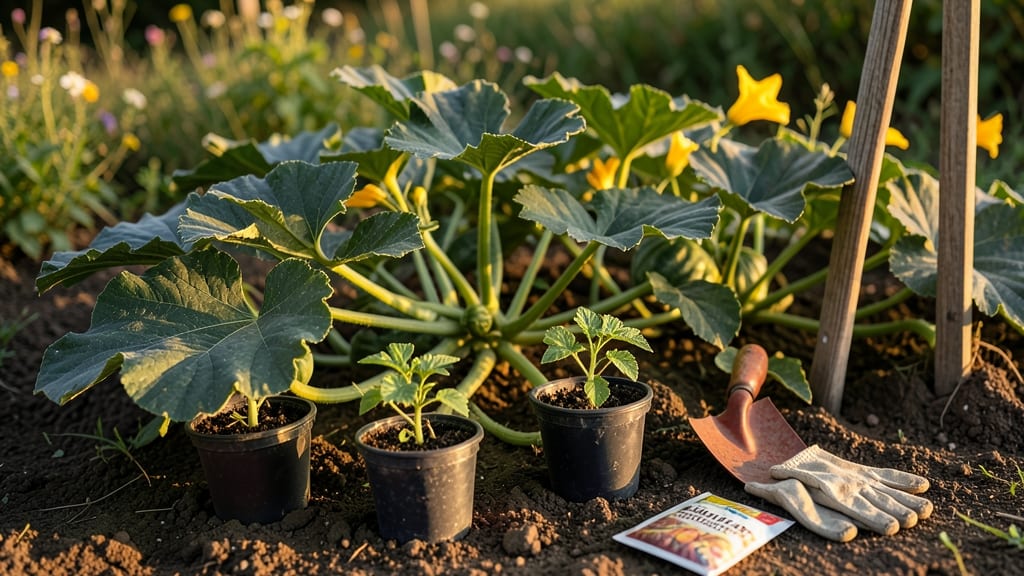
Planting pumpkins in Michigan isn’t just about timing—it’s about catching that perfect window when soil temperatures and frost-free days align for fast, reliable germination. Skip the guesswork, and you could end up with vines struggling to mature before the first frost hits in October.
I’ve learned the hard way that Michigan’s 5b-6b climate zones demand precision: too early, and cold soil delays sprouting; too late, and your 🎃 never reaches full size.
The key is waiting until the ground warms to at least 60°F—typically mid-April to early June after the last frost—so seeds germinate in 5-10 days instead of weeks.
Whether you’re growing bush varieties or sprawling vines, this guide breaks down exactly when to start seeds indoors (for a head start) or sow directly into hills. We’ll also cover soil prep, sunlight needs, and how to adjust for northern vs. southern Michigan’s microclimates.
Ready to avoid the common mistakes that leave gardeners with half-grown pumpkins? Let’s dive into the fastest, most reliable planting schedule tailored to your backyard’s conditions.
Optimal soil temperature ranges for planting pumpkins in Michigan’s climate zones
Michigan’s 5 distinct climate zones (5a-6b) create unique challenges for pumpkin growers. The key to success? Planting when soil temperatures hit 55°F-90°F—the sweet spot for germination and vine establishment.
Cold soil delays sprouting, while overheated soil can stress seedlings. Let’s break down the perfect timing for each zone to maximize your harvest potential.
First, understand that pumpkin seeds need consistent warmth to germinate. In northern Michigan (zones 5a-5b), where springs are cooler, you’ll need to wait longer for soil to warm.
Meanwhile, southern Michigan (zones 6a-6b) offers earlier planting windows. Use a soil thermometer to verify temperatures—this tool is your best friend for precision planting.
Here’s the critical rule: Aim to plant pumpkins when your soil reaches 60°F for germination, but keep it below 90°F to prevent stress. In Michigan, this typically aligns with late May to early June for most regions, but timing shifts based on your specific zone.
Let’s dive into the details for each area.
For zone 5a gardeners in the Upper Peninsula, patience is key. Soil temperatures often linger below 55°F until early June, so plan to plant after June 1. Use black plastic mulch or row covers to warm the soil faster.
In zone 6b (Detroit area), you can start as early as late April, but monitor soil temps closely—cold snaps can delay germination.
Pro tip: If your soil is too cold for direct sowing, start seeds indoors 4-6 weeks before your target planting date. Transplant seedlings when soil hits 60°F and nighttime temps stay above 50°F. This method gives vines a 2-week head start on growth, crucial for Michigan’s short season.
Don’t forget to calculate your frost-free days. Pumpkins need 90-120 days to mature, so count backward from your first frost date (typically mid-October). For example, if your frost date is October 15, aim to plant by July 15 at the latest—but this assumes ideal soil temps.
Adjust earlier if your soil stays cool.
One common mistake? Planting too early when soil is still below 55°F. Seeds may rot in cold, wet soil. Always check with a soil thermometer—it’s the only way to get accurate readings.
If you’re unsure, wait a few extra days. Your pumpkins will thank you with faster germination and stronger vines.
For southern Michigan gardeners, take advantage of your earlier window by planting bush varieties like ‘Jack Be Little’ or ‘Small Sugar.’ These compact types mature faster (around 85 days) and are perfect for smaller gardens.
Meanwhile, northern growers should opt for vining varieties like ‘Howden’ or ‘Cinderella,’ which handle cooler temps better.
Remember: Soil temperature > air temperature for planting decisions. Even if daytime air feels warm, your soil might still be chilly. Use these guidelines as your roadmap, but always verify with a thermometer. With the right timing, you’ll be carving pumpkins by Halloween—Michigan-style!
Step-by-step guide: when to start pumpkin seeds indoors vs. direct sowing in Michigan
Deciding whether to start pumpkin seeds indoors or plant them directly in Michigan’s garden depends on your last frost date and soil temperature. Northern Michigan’s cooler climate benefits from early starts indoors, while southern regions can often direct sow after May 15.
Let’s break down the best approach for your location.
For indoor starts, begin seeds 4-6 weeks before your last frost date. In northern Michigan (e.g., Traverse City), this means starting around mid-April, while southern regions (e.g., Detroit) can wait until early May.
Transplant seedlings outdoors only after soil reaches 60°F+ and all frost risk has passed.
-
Indoor Start (Northern MI)
Start seeds mid-April (4-6 weeks before last frost). -
Transplant Seedlings
Move outdoors after May 20 when soil is 60°F+. -
Direct Sow (Southern MI)
Plant seeds directly after May 15 when soil is warm. -
Harvest Window
Aim to harvest before October 15 to avoid frost damage.
If you’re in northern Michigan, starting seeds indoors gives them a head start. Use biodegradable pots to avoid disturbing roots during transplanting. For direct sowing, wait until the soil temperature consistently stays above 60°F, usually around late May in most areas.
For compact varieties like ‘Jack Be Little’, you can direct sow as late as early June. These varieties mature faster (75-85 days) and tolerate cooler soils better than giant pumpkins, which need 100+ days to ripen.
Always harden off seedlings for 7-10 days before transplanting. Acclimate them to outdoor conditions by gradually increasing their exposure to sunlight and wind. This reduces shock and promotes faster establishment in your garden.
Monitor your local frost dates using the Michigan State University Extension frost chart. Adjust your planting timeline if you’re in a microclimate (e.g., near lakes or hills), as these areas may experience later frosts than the regional average.