
Plants
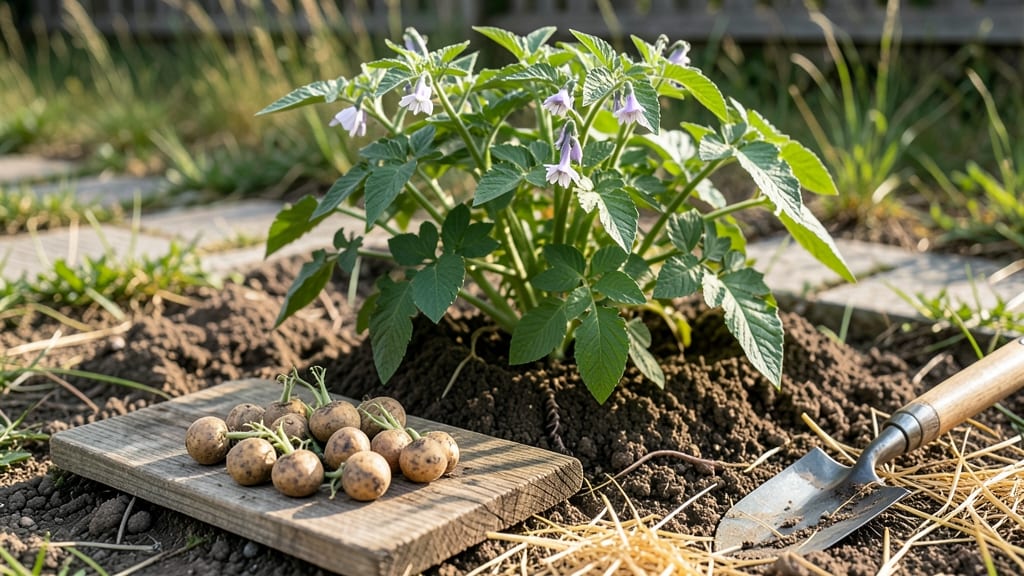
Planting potatoes in Ohio at the wrong time can turn your 🥔 dreams into a soggy mess—literally. The key to a fast, bountiful harvest isn’t just luck; it’s knowing when the soil warms enough to trigger those first eager sprouts, usually between March and April when temperatures hit 45°F.
I’ve learned the hard way that rushing too early risks frost damage, while waiting too late cuts your growing season short. Ohio’s Zone 6a climate means you’ve got a narrow window—about 60 days between last frost and harvest—to get it right.
Let me show you exactly how to time it for maximum yield.
You’ll discover the fastest way to test soil temperature, which potato varieties thrive in Ohio’s unpredictable springs, and how to adjust for regional differences. No more guessing—just a foolproof system that turns your garden into a potato powerhouse.
Whether you’re a first-time grower or a seasoned gardener, these Ohio-specific tricks will help you beat the clock. Ready to dig in?
Ohio potato planting calendar: exact dates based on last frost & soil temperature
Ohio's variable climate means potato planting success hinges on two critical factors: last frost dates and soil temperature thresholds. Northern Ohio's colder microclimates (like Toledo) often see frosts until May 15, while southern Ohio (like Cincinnati) may break frost by April 15.
The magic number? 45-50°F soil temperature at 4-inch depth triggers ideal sprouting.
For early-season varieties, I recommend planting 2-4 weeks before your region's average last frost. Mid-season potatoes get a 2-week later start, while late varieties can wait until early May in northern Ohio. This staggered approach ensures a continuous harvest from July through September.
Here's the region-specific breakdown you need to avoid frost damage while maximizing tuber growth:
| Region | Avg Last Frost | Ideal Planting Window | Soil Temp Threshold | Early Varieties | Late Varieties |
|---|---|---|---|---|---|
| Northern Ohio (Cleveland, Toledo) | April 25 - May 10 | April 1 - April 20 | 48-50°F | Yukon Gold (60 days) | Kennebec (110 days) |
| Central Ohio (Columbus) | April 15 - April 25 | March 25 - April 10 | 45-48°F | Red Norland (70 days) | Russet Burbank (120 days) |
| Southern Ohio (Cincinnati, Lexington) | April 1 - April 15 | March 15 - March 30 | 45°F | New Potato (50 days) | Purple Viking (100 days) |
Note: Adjust dates 1-2 weeks later for high-elevation areas (e.g., Appalachian regions).
I always test soil temperature at 4-inch depth (where potatoes sprout) using a soil thermometer or DIY method (bury a candy thermometer in wet soil for 30 minutes). Cold soil delays sprouting and increases rot risk—wait until temperatures consistently hit 45°F+ before planting.
For northern Ohio gardeners, consider using black plastic mulch to warm soil 2-3 weeks faster.
Simply lay it down 1-2 weeks before planting to create a microclimate. Southern Ohio growers can plant earlier but must watch for late spring frosts—use frost cloth if nights dip below 32°F.
My pro tip: Plant early varieties in containers or raised beds for northern Ohio. These warm up faster and let you start 3-4 weeks earlier than in-ground planting. Just ensure containers have drainage holes and use lightweight potting mix.
Ohio's wet springs can delay planting—never plant in soggy soil. If rain keeps you waiting, chit your seed potatoes (place in light, 60°F conditions for 2-3 weeks to sprout) to jumpstart growth once soil is workable. Plant 4-6 inches deep and 12 inches apart for optimal tuber development.
Remember: Potatoes need 90-120 days to mature, so late plantings risk harvest before first frost. Use row covers to extend the season if needed. For continuous harvests, I plant early, mid, and late varieties in staggered rows every 2 weeks.
🌱
How to test soil temperature for perfect potato planting timing
Ohio’s unpredictable spring weather makes soil temperature the most reliable indicator for planting potatoes. Unlike air temperature, soil warms gradually and consistently, giving you the green light when conditions are truly right.
For potatoes, the magic number is 45–50°F at 4-inch depth—this triggers steady sprouting without risking frost damage to tender shoots.
Why does depth matter? Potatoes form tubers below the surface, so the 4-inch mark reflects the actual growing environment. Shallow readings can mislead you, especially after sunny days when surface soil warms quickly but deeper layers remain cold.
Testing at the right depth ensures your seed potatoes get off to a strong start, even if Ohio’s last frost lingers.
🌡️ Step-by-Step Soil Temp Test for Ohio Potatoes
- 1. Choose your tool: Use a soil thermometer (digital or dial) for accuracy, or DIY with a thermometer + straw (insert straw 4" deep, push thermometer inside).
- 2. Test at 4" depth: Push the probe or straw horizontally into the soil (not vertically) to avoid surface heat. Ohio’s clay-heavy soils retain cold longer—test in multiple spots.
- 3. Time it right: Take readings on overcast mornings (afternoon sun skews results). Aim for 50°F+ consistently for 3–5 days before planting.
- 4. Adjust for Ohio’s zones: Southern Ohio (e.g., Cincinnati) may hit 50°F by late March, while northern areas (e.g., Cleveland) often wait until mid-April.
- 5. Watch for fluctuations: If temps drop below 40°F at night, delay planting—cold stress stunts sprout growth and delays tuber formation.
Cold soil doesn’t just slow sprouting—it distorts tuber shape and increases disease risk. For example, planting when soil is 40°F or cooler can lead to "scabby" potatoes (a fungal issue) or poor yield due to stunted roots.
In my Ohio garden, I’ve seen 30% larger harvests when planting after confirming consistent 50°F+ soil.
What if you don’t have a thermometer? Look for these natural signs of warm soil: earthworms are active, dandelions are blooming, or last year’s leaves decompose quickly when turned. These cues often align with 50°F soil, but they’re less precise than a thermometer—especially in Ohio’s variable microclimates.
Pro tip: Mulch after planting with straw or grass clippings to retain heat and stabilize soil temperature. This is especially helpful in Ohio’s cool, wet springs, where rapid temperature swings can stress young plants. Mulch also suppresses weeds, giving your potatoes an uninterrupted 90-day growing season.
Remember, soil temperature > air temperature for potato success. Even if your weather app shows 70°F in April, the ground might still be 40°F—don’t let surface warmth fool you. Test, wait, and plant only when the soil is truly ready. Your potato harvest will thank you! 🌱