
Plants
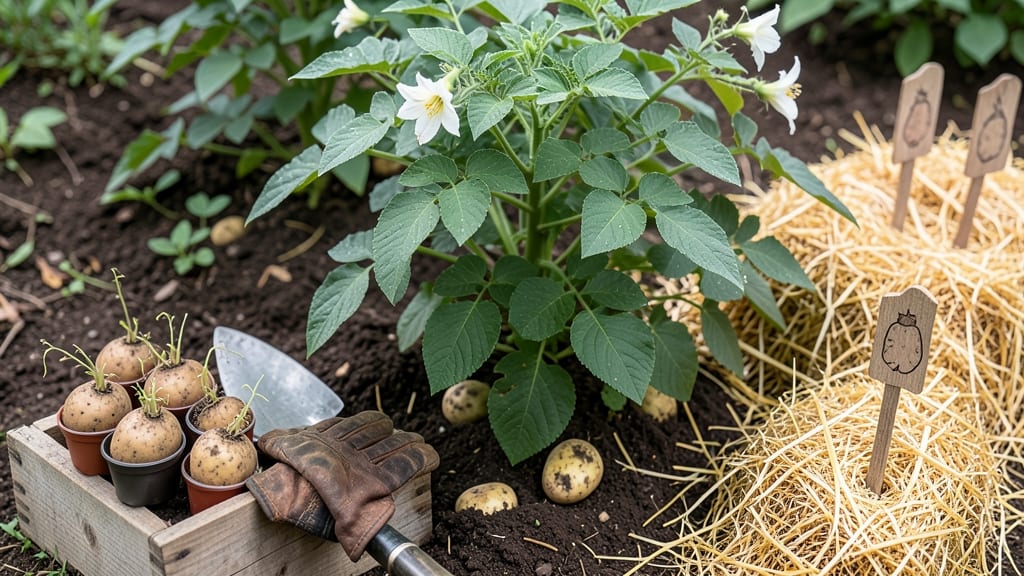
Planting potatoes in Ohio at the wrong time could mean frost-nipped sprouts or a missed harvest window—so getting the timing right is everything.
The best window to plant your 🥔 depends on your variety and soil conditions, but most Ohio gardeners should aim for early spring when soil temperatures hit 45°F and frost risk drops.
Ohio’s USDA Zone 6a climate means you’ve got a short window between last frost (around April 15) and summer heat.
Early varieties like Yukon Gold can go in as soon as soil is workable, while late-season types need to be planted 4-6 weeks before the first expected frost in fall.
Skipping the soil temperature check or ignoring frost forecasts is a common mistake that leads to poor yields. I’ll show you how to adjust planting times based on Ohio’s unpredictable weather, plus which fast-maturing varieties thrive here—so you can avoid wasted effort and enjoy a bountiful harvest.
Whether you’re a first-time gardener or a seasoned Ohio grower, these tips will help you time your potato planting perfectly for maximum yield. Let’s get those spuds in the ground at the right moment!
Ohio’s ideal potato planting calendar by variety (early, mid, and late season)
Ohio’s diverse climate—from northern cold snaps in USDA Zone 5b to warmer southern regions in Zone 6b—means your potato planting timeline should match your local last frost date and variety.
Early-season potatoes like ‘Red Norland’ thrive when planted 2-3 weeks before the last frost, while late-season ‘Kennebec’ potatoes need a longer growing window. Let’s break down the perfect frost-free windows for each category, including county-specific adjustments.
First, know that Ohio’s average last frost dates vary by region: northern Ohio (e.g., Cleveland, Toledo) typically sees frost until April 20–May 5, while southern Ohio (e.g., Cincinnati, Columbus) warms up by April 5–15.
Soil temperature is just as critical—potatoes need 45°F (7°C) to sprout, so don’t rush planting into cold soil. Use a soil thermometer to confirm readiness.
Below is your Ohio potato planting calendar, tailored by variety and region. Early varieties are your fastest bets for spring harvests, while late-season types reward patience with larger yields. Whether you’re in Zone 5b or 6b, these windows ensure you avoid frost damage and maximize tuber production.
Pro Tip: Chit your seed potatoes (sprout them indoors) 4–6 weeks before planting to jumpstart growth. This is especially helpful for northern Ohio gardeners with shorter seasons.
| Variety Type | Northern Ohio (Zone 5b) | Southern Ohio (Zone 6b) | Days to Maturity | Best For |
|---|---|---|---|---|
| Early Season | April 1–15 (after soil reaches 45°F) | March 20–April 5 | 60–90 days | Spring harvests, fresh eating |
| Examples: | ‘Yukon Gold’, ‘Red Pontiac’, ‘Early Girl’ | |||
| Mid-Season | April 15–May 1 | April 5–15 | 90–110 days | Storage, baking, all-purpose |
| Examples: | ‘Kennebec’, ‘Russet’, ‘Golden Wonder’ | |||
| Late Season | May 1–15 (or under row covers) | April 15–May 1 | 110–130 days | Large yields, long storage |
| Examples: | ‘Purple Viking’, ‘Chieftain’, ‘Minnesota White’ | |||
| All Regions | Harvest: Late July–October | Harvest: Late July–October | — | Avoid frost; cure tubers for 1–2 weeks |
For northern Ohio counties like Ashtabula or Lorain, stick to the earlier windows (April 1–15) for early varieties, as late frosts are common. In southern Ohio, you can push planting back slightly (March 20–April 5) for early potatoes, giving you an edge for earlier harvests.
Always check your local Almanac frost dates—they’re updated annually and account for microclimates.
If you’re planting late-season varieties in northern Ohio, consider using black plastic mulch or row covers to extend the growing season by 2–3 weeks. This trick works wonders for varieties like ‘Minnesota White’, which need the extra time to bulk up.
Just remove covers when flowers appear to prevent overheating.
One common mistake Ohio gardeners make is planting too early when soil is still cold. Seed potatoes left in below-45°F soil rot instead of sprouting. Test your soil with a thermometer—if it’s cooler, wait. Patience here means healthier plants and bigger yields. Early planting = wasted seed potatoes.
For container growing, adjust your timeline by 1–2 weeks earlier than in-ground planting. Pots warm up faster in spring, giving you a head start. Use well-draining soil mixes with compost to mimic garden conditions. Containers also let you move potatoes to sunnier spots if your yard has shady patches.
Finally, mark your calendar for harvest time: Early varieties are ready by late July, mid-season by August, and late-season types by early October. Look for yellow
How to adjust planting time for Ohio’s unpredictable weather (frost, rain, and soil temperature factors)
Ohio’s variable climate makes potato planting tricky. Frost warnings can hit as late as April 15 in northern Ohio, while southern regions may see earlier thawing. Soil temperature—not air temperature—determines when potatoes can safely sprout.
For best results, aim to plant when soil reaches 45°F (7°C) at 6-inch depth. A soil thermometer is your best friend here!
I’ve learned the hard way that planting too early leads to frost-killed sprouts, while waiting too late shortens the growing season.
Ohio’s 165 frost-free days mean timing is critical. Early varieties like ‘Yukon Gold’ need to go in by mid-April, while late-season types like ‘Kennebec’ can wait until late May—but only if soil is warm enough.
⚠️ callout warning ⚠️
Northern Ohio (USDA Zone 5b) faces higher frost risk—plant 2-3 weeks later than southern Ohio (Zone 6a). Use the Old Farmer’s Almanac frost predictor or your local Cooperative Extension office for region-specific alerts. Never plant before soil warms to 45°F, even if air temps rise!
🌱 Pro Tip: Chit seed potatoes indoors 4-6 weeks before planting to jumpstart growth.
To beat Ohio’s unpredictable spring rains, I start by chitting seed potatoes indoors. Place whole, certified seed potatoes in a bright, cool spot (55-65°F) with stems up.
Once sprouts reach 1-2 inches, they’re ready for direct planting. This 4-6 week head start gives your potatoes a competitive edge against late frosts.
For extra protection, use row covers or cold frames to extend your planting window. I’ve had success planting early varieties under floating row covers as early as mid-March in southern Ohio.
These covers also shield plants from late spring hail or heavy rains, which can rot tubers. Just remove covers when flowers appear to allow pollination.
Don’t forget to monitor soil moisture—Ohio’s clay-heavy soils can stay too wet after spring rains. Amend beds with compost or sand to improve drainage. If your soil feels cold or soggy, wait 1-2 weeks longer.
A simple finger test works: push your finger 6 inches deep—if it feels chilly or damp, hold off on planting.
For late-season harvests, try succession planting. After your first planting, add a second batch of fast-maturing varieties like ‘Red Norland’ in late May. This stretches your harvest from July through October.
Just mark your calendar for first frost warnings—Ohio’s October 15 average gives you about 90 days for late plantings.