
Planting
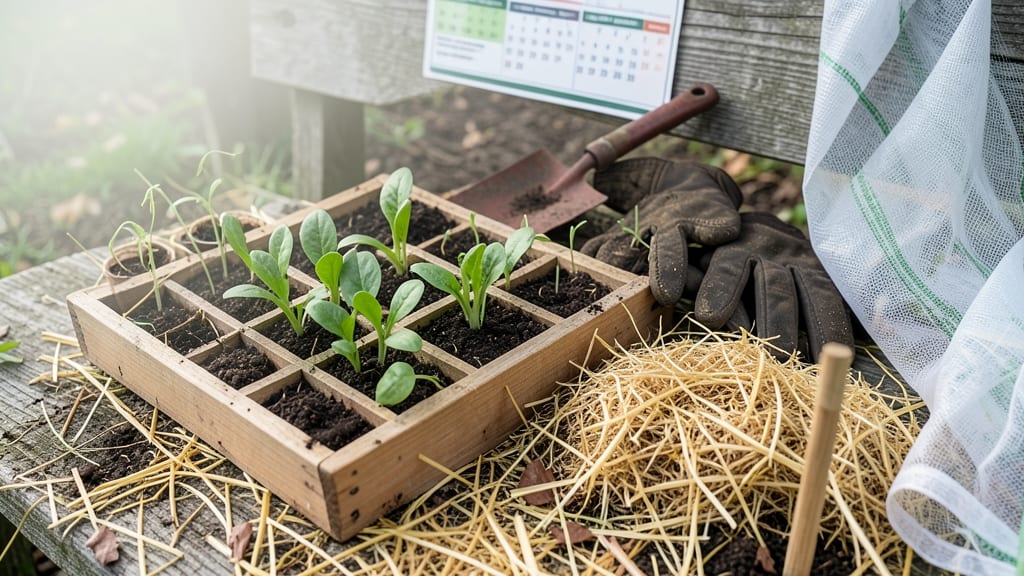
Timing your garden just right in Michigan means the difference between a bumper crop and a frost-wiped disappointment—so knowing when to plant can save you hours of frustration.
The Great Lakes state’s unpredictable spring weather throws off even experienced gardeners, but with the right frost-date cheat sheet, you’ll plant with confidence and enjoy fresh veggies all season.
Michigan’s 6 USDA zones (4a through 6b) create wildly different planting windows—what works in Detroit’s Zone 6b might fail in Traverse City’s Zone 5a. I’ll break down the exact frost dates you need to know, plus how to adjust for late springs or early freezes.
No more guessing whether your tomatoes will survive that May chill!
From cool-season greens like spinach to heat-loving tomatoes, I’ll show you the ideal planting months for Michigan’s top crops—and when to start seeds indoors for a head start. You’ll also learn how to stretch your growing season with row covers and cold-hardy varieties, so you’re harvesting well into fall.
Ready to grow more with less stress? Let’s dive into the frost-free timeline that’ll turn your Michigan garden into a thriving, productive oasis—no more wasted seeds or missed harvests. Your future salad days start here.
Michigan frost dates by USDA hardiness Zone: your planting timeline
Michigan’s USDA hardiness zones 4a-6b create dramatic differences in frost timing—some areas may see last spring frosts as early as April 15, while others face first fall frosts by October 15.
Understanding these dates is critical for timing cool-season crops like spinach and warm-season plants like tomatoes. Let’s break down what you need to know for each zone to plan your garden with confidence.
For Zone 4a (Upper Peninsula and northern Lower Peninsula), the average last frost date typically falls between May 10-20, while Zone 6b (southern Lower Peninsula) often sees its last frost by April 25-May 5.
These variations mean your planting windows can shift by 3-4 weeks depending on where you garden. Always check historical frost records for your specific location—some years can push these dates by 2 weeks in either direction.
Here’s a quick reference for last spring frost and first fall frost averages across Michigan’s zones, along with your key planting windows for both cool-season and warm-season crops:
| Zone | Last Spring Frost | First Fall Frost | Cool-Season Planting | Warm-Season Planting |
|---|---|---|---|---|
| 4a (Marquette, UP) | May 10-20 | September 25-October 5 | April 15-May 10 (after soil thaws) | May 25-June 5 (after last frost) |
| 4b (Traverse City) | May 1-10 | October 5-15 | April 1-May 1 | May 15-June 1 |
| 5a (Grand Rapids) | April 25-May 5 | October 15-25 | March 25-April 15 (with row covers) | May 1-June 1 |
| 5b (Lansing) | April 20-30 | October 20-November 1 | March 15-April 1 | April 25-May 15 |
| 6a (Detroit) | April 15-25 | October 30-November 10 | March 1-April 1 | April 15-May 1 |
| 6b (Southwest MI) | April 10-20 | November 1-15 | February 28-March 15 (with protection) | April 1-May 1 |
*Dates are averages—always monitor local forecasts for adjustments.
For cool-season crops like lettuce, spinach, and peas, you can start seeds indoors 4-6 weeks before your last frost date and transplant outdoors once soil temperatures reach 40°F.
In Zone 6b, this might mean planting as early as late February under row covers, while Zone 4a gardeners should wait until mid-April.
Warm-season crops such as tomatoes, peppers, and cucumbers need to wait until after your last frost and when soil temperatures exceed 55°F. In Zone 4a, this often means waiting until late May, while Zone 6b gardeners can start planting by mid-April.
Use black plastic mulch to warm soil faster in colder zones.
Extend your growing season by using frost blankets or cold frames to protect tender plants. In Zone 5a and below, these tools can add 2-3 weeks to your fall harvest window. For example, you might still harvest green beans or kale well into October with proper protection.
Always check local frost records from sources like the Michigan State University Extension or National Weather Service for your specific area. Historical extremes can vary—some years, Zone 6b might see a late May frost, while Zone 4a could escape frost until
How to adjust planting dates for Michigan’s unpredictable weather
Michigan’s weather can shift faster than a summer storm, making planting dates tricky to pin down. Even experienced gardeners face late frosts or unseasonably warm spells that disrupt schedules. The key is flexibility—using local frost data, season extenders, and cold-hardy varieties to protect your garden’s potential.
With a few smart adjustments, you can turn Michigan’s unpredictability into an advantage.
Start by calculating your frost-free date using the Michigan State University Extension’s frost calculator. This tool accounts for your specific USDA zone (4a-6b) and provides a 4-week buffer for high-risk areas like northern Michigan.
For example, in Zone 4a, your last frost might average May 15, but adding a 28-day cushion means waiting until June 1 for warm-season crops like tomatoes or peppers.
- 📅 Use a 4-week buffer for Zone 4a-5a areas. Example: If frost-free date is May 15, wait until June 1 for warm-season crops.
- 🌡️ Monitor soil temps—wait until soil reaches 50°F+ for seeds like beans and peas, 60°F+ for tomatoes.
- 🛡️ Extend seasons with row covers (spring/fall) or cold frames to push limits by 3-4 weeks.
- 🌿 Choose cold-hardy varieties like kale, spinach, or broccoli for early spring/fall planting.
- 📊 Track local microclimates—southern Michigan (Zone 6a) may be 2-3 weeks earlier than northern zones.
For cool-season crops like lettuce or radishes, you can plant as early as 4-6 weeks before your last frost date. Use black plastic mulch or straw mulch to warm the soil faster and prevent frost damage.
In my own garden, I’ve successfully planted peas in early April under a floating row cover, giving me a head start on the season.
If a late frost threatens, don’t panic—row covers and cloche tunnels can protect young plants. I’ve saved entire rows of cabbage seedlings by tossing a lightweight cover over them during a 28°F night.
For even more protection, consider low tunnels, which can extend your harvest window by 6-8 weeks in both spring and fall.
Finally, keep a gardening journal to track your local frost patterns. Note when first and last frosts occur each year—this data becomes invaluable for future planning.
For example, if your last frost consistently arrives on May 20 but you’re in Zone 5b, you might safely plant cucumbers by May 25 with minimal risk.
With these strategies, Michigan’s weather won’t derail your garden dreams. A little flexibility and preparation go a long way in turning unpredictable conditions into peak growing opportunities. Happy planting! 🌱