
Companion Plants
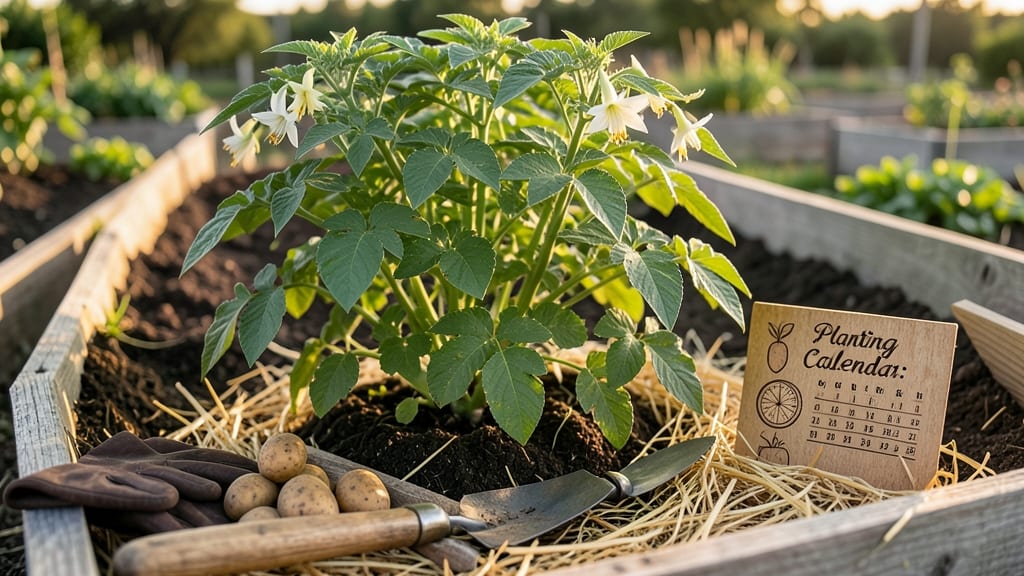
Timing when should I plant potatoes in Ohio can mean the difference between a bumper crop and a total flop—especially when unpredictable spring weather throws curveballs.
If you plant too early, frost will turn your hard work into sad, icy lumps, while waiting too long risks missing the sweet spot for harvest season.
The key is knowing when the soil warms enough to support those sprouting tubers, and Ohio’s Zone 6a climate adds another layer of complexity.
Most Ohio gardeners get their seed potatoes in the ground between late March and early April, but the real magic happens when soil temperatures hit that critical 42°F mark.
That’s your green light to start planting, whether you’re growing early varieties like Yukon Gold or mid-season favorites like Kennebec. The goal? Beat the last frost—typically around mid-April—while giving your potatoes enough time to mature before summer heat sets in.
Here’s the game-changer: even if you miss the ideal window, you can still salvage your harvest with a few smart strategies.
Whether you’re extending the season with row covers or choosing the right variety for your microclimate, I’ll walk you through the exact steps to make sure your potatoes thrive—no matter what Ohio throws at you. Let’s dig in.
From soil prep to spacing secrets, you’ll learn how to turn Ohio’s variable growing conditions into your advantage. By the end, you’ll know exactly when to plant, what to watch for, and how to troubleshoot common pitfalls. Ready to grow potatoes like a pro? Let’s get started.
Ohio potato planting timeline: soil temperature and frost dates
Ohio’s potato planting window hinges on two critical factors: soil temperature and last frost dates. Potatoes thrive when soil reaches at least 42°F, signaling the ground is warm enough for sprouting.
Meanwhile, Ohio’s average last frost date ranges from mid-April in southern regions to early May in northern areas, creating a narrow but productive window for planting.
To pinpoint your exact planting window, check your USDA hardiness zone (Ohio spans zones 5b–7a). For example, Columbus (zone 6a) typically plants in early April, while Toledo (zone 5b) waits until late April. Use historical frost data from the National Weather Service or local extension offices to refine your timeline.
Here’s how to calculate your window: Subtract 4–6 weeks from your last frost date to determine when to plant. Early varieties like Red Pontiac can handle cooler soils, while late varieties like Russet Burbank need warmer conditions.
Planting too early risks frost damage, while waiting too long shortens the growing season.
For early varieties, aim to plant 4–6 weeks before your last frost date. These potatoes mature in 60–90 days, making them ideal for Ohio’s shorter growing season. Examples include Yukon Gold and Red Norland, which tolerate cooler soils and produce harvests by early summer.
If you prefer late varieties, plant closer to your last frost date but ensure soil is at least 45°F. Varieties like Kennebec or Russet Burbank take 90–120 days to mature, so they’re better suited for southern Ohio or extended-season gardens.
Use row covers to protect young plants if frost threatens.
Ohio’s first frost typically arrives in mid-October, but some northern areas may see frost as early as late September. This means your potatoes must be harvested before the ground freezes. Plan for a 100–120-day growing season to avoid losses, or opt for early maturing varieties if your season is shorter.
Pro tip: Use a soil thermometer to confirm warmth before planting. Cold soil delays sprouting and invites rot. If temperatures dip below 42°F, wait until conditions improve—even if it means missing your ideal window. Patience now prevents failed crops later.
For gardeners in Zone 5b or colder, consider succession planting every 2–3 weeks until early June. This stretches your harvest window and maximizes yield. Just adjust spacing to avoid overcrowding, and always plant seed potatoes 4 inches deep for consistent germination.
🌱
Best potato varieties for Ohio’s climate and when to plant them
Ohio’s variable spring weather demands smart potato variety choices. Early varieties like Yukon Gold thrive in cooler soils, while late varieties such as Purple Viking need warmer temperatures. Matching the right type to your planting window ensures a successful harvest before Ohio’s first frost in mid-October.
For Ohio gardeners, timing is critical—plant too early, and frost will damage tender sprouts; too late, and you’ll miss peak harvest. The key is selecting varieties that align with Ohio’s USDA Zone 6a and your local frost dates.
Most gardeners aim to plant 2-4 weeks before the last frost, typically in early to mid-April.
Early varieties like Yukon Gold and Red Pontiac are perfect for Ohio’s cooler springs. Plant them as soon as soil reaches 42°F, usually in late March to early April. These varieties mature in 70-90 days, avoiding late-summer heat stress. Their high disease resistance (7/10) makes them ideal for Ohio’s humid summers.
Mid-season varieties such as Kennebec and Russet Burbank are Ohio favorites for their high yield and versatility. Plant these 2-3 weeks after early varieties, around mid-April, when soil warms to 50°F. With a 90-110 day maturity, they thrive in Ohio’s long growing season and score 8.5/10 for disease resistance.
For gardeners who love unique flavors, Purple Viking is a late variety worth trying. Plant it late April to early May when soil is consistently 55°F.
Its 110-120 day maturity pushes harvests closer to Ohio’s first frost, but its 6/10 disease resistance and nutrient-dense tubers make it a rewarding choice.
Ohio’s humid climate means blight resistance is critical. Always choose disease-resistant varieties and rotate planting locations yearly to prevent soil-borne diseases. For best results, plant early and mid-season varieties in well-draining soil with full sun exposure.