
Companion Plants
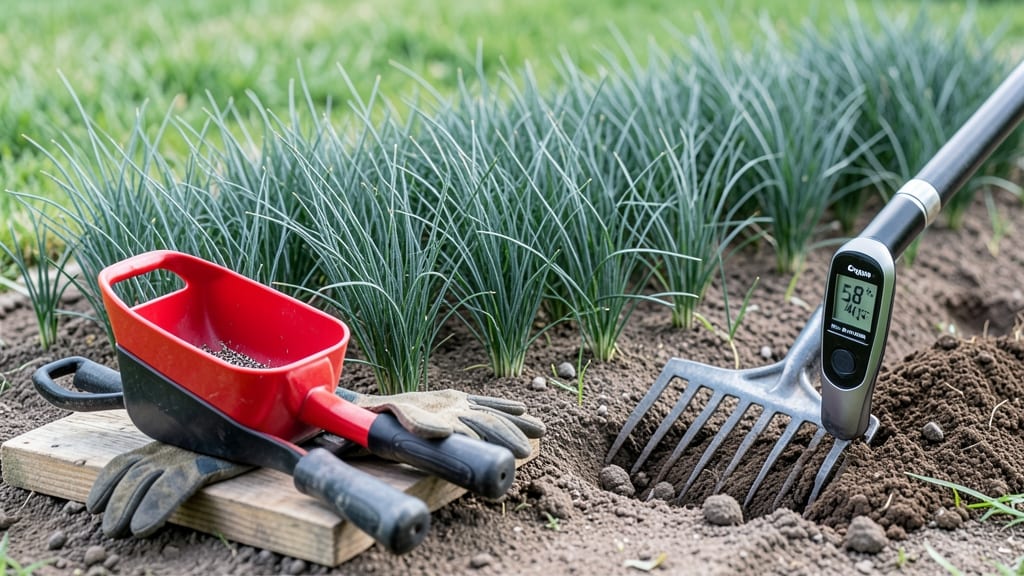
Planting your 🌱 grass (lawn) at the wrong time in spring can turn your dream of a lush yard into a patchy, uneven mess—so getting the timing right is the difference between success and frustration.
The key isn’t just waiting for warmer weather; it’s knowing when your soil has warmed enough for seeds to germinate properly, whether you’re in a cooler USDA Zone 6a or a warmer region.
Most homeowners assume they can plant as soon as the ground isn’t frozen, but that’s a recipe for disappointment.
Cool-season grasses like fescue and Kentucky bluegrass need soil temperatures between 55°F and 65°F, while warm-season types like Bermuda or Zoysia thrive when the ground hits 65°F to 75°F—and planting too early can leave your seeds vulnerable to frost or slow growth.
In Zone 6a, that means aiming for early spring—typically 4 to 6 weeks before your last frost date, which for many areas falls around mid-April. But timing varies by state, and rushing it could mean weeks of waiting for your lawn to take hold.
I’ll break down the exact windows for your region, plus how to prep your soil and care for your new grass so it grows thick and green from day one.
Skip the guesswork and learn the simple steps to plant at the perfect moment—so you can enjoy a vibrant lawn all season long without the headaches. Let’s get started.
Best soil temperature ranges for spring grass planting by seed type
Getting your grass seed in the ground at the right time means the difference between a lush, green lawn and a patchy, struggling mess. The key factor? Soil temperature. Grass seeds need specific warmth to germinate properly—too cold, and they’ll rot; too hot, and they’ll dry out before sprouting.
Let’s break down the ideal soil temps for your grass type and how to check yours before planting.
Most cool-season grasses like Kentucky bluegrass and fescue thrive when soil temps hover between 55°F and 65°F. These varieties are hardy and can handle cooler climates, making them perfect for northern regions.
On the flip side, warm-season grasses such as Bermuda and Zoysia need soil temps closer to 70°F to 80°F to germinate successfully. Planting them too early can stunt their growth or invite disease.
Here’s the catch: soil warms at different rates depending on your USDA hardiness zone and local climate. In Zone 5 or colder, you might not hit ideal temps until late April or early May, while Zone 8 or warmer regions could start as early as February.
Testing your soil’s temperature with a simple soil thermometer (inserted 2-3 inches deep) is the best way to avoid guesswork.
If your soil is still too cold for planting, don’t rush it! Waiting a few weeks for the right conditions will give your grass seeds the best chance to thrive. Cool-season grasses can handle a little chill, but warm-season varieties will languish until the ground warms up.
Patience now means a stronger lawn later—trust the process!
Once you’ve confirmed your soil is at the right temperature, the next step is preparing the seedbed. For cool-season grasses, till the top 3-4 inches of soil to loosen it, then level the area with a rake.
Add a starter fertilizer (low in nitrogen) to give your new grass a nutrient boost. For warm-season grasses, focus on removing weeds and debris, then lightly rake to create a fine seedbed—these grasses need good contact with the soil to germinate.
After planting, keep the soil consistently moist (not soggy) until germination. For cool-season grasses, this usually takes 14-21 days, while warm-season varieties may take 10-30 days depending on the type.
Use a light mulch (like straw) to retain moisture and protect seeds from drying out or washing away during rain.
If you’re in a transition zone (like Zone 6 or 7), where temperatures fluctuate wildly, consider planting cool-season grasses in early spring and warm-season grasses in late spring or early summer.
This two-step approach ensures year-round green coverage. For example, Kentucky bluegrass can handle early spring planting, while Zoysia will fill in as the weather warms.
Pro tip: If your soil is still too cold but you’re eager to plant, cover the seeded area with a lightweight row cover or even a thick blanket to trap heat.
Just remove it once germination starts to avoid overheating. This trick can extend your planting window by 2-3 weeks in cooler climates.
Remember, the soil temperature isn’t the only factor—air temperature and moisture also play roles. If nights are still chilly (below 40°F), your seeds may struggle to germinate, no matter how warm the soil is. Always check a 7-day forecast before planting
Regional spring planting windows: when to plant grass in your state
Getting your spring grass planting timing right depends entirely on your USDA hardiness zone and local climate. Planting too early risks frost damage, while waiting too long can lead to summer stress.
I’ve broken down the best planting windows for cool-season and warm-season grasses across key regions, so you can start when soil temps and weather align perfectly.
For Northern states (Zones 3-6), focus on cool-season grasses like Kentucky bluegrass and fescue, which thrive in 55-65°F soil. In contrast, Southern states (Zones 7-10) should prioritize warm-season grasses like Bermuda or Zoysia, waiting until soil hits 65-75°F.
The table below shows exact planting months and soil temperature targets for your area.
| Region | Grass Type | Ideal Planting Month | Soil Temp (°F) | Last Frost Date |
|---|---|---|---|---|
| Northern (Zones 3-6) | Kentucky Bluegrass | March–April | 55–65°F | Mid-April to early May |
| Northern (Zones 3-6) | Tall Fescue | April–May | 50–60°F | Mid-April to early May |
| Southern (Zones 7-10) | Bermuda Grass | Late April–June | 65–75°F | Mid-March to early April |
| Southern (Zones 7-10) | Zoysia Grass | May–June | 70–80°F | Mid-March to early April |
| Transition Zones (6-7) | Ryegrass Mix | March–April | 55–65°F | Late March to early April |
In Northern climates, aim to plant 4-6 weeks before your last frost date. For example, if your last frost is May 10, start seeding in early April. Use a soil thermometer to confirm temps are ideal—cool-season grasses won’t germinate well below 50°F.
In Southern regions, wait until after the last frost but before summer heat sets in, typically April–June.
Pro tip: If your soil is still too cold, cover newly seeded areas with lightweight row covers to protect tender shoots. For warm-season grasses, avoid planting in summer heat—opt for late spring when soil has warmed but temps aren’t extreme.
This balance ensures strong root establishment before summer stress kicks in.
Don’t forget to prep your soil first! Loosen the top 4-6 inches of soil, remove debris, and level the area for even seed distribution. A light raking after planting helps press seeds into contact with soil, improving germination rates.
With the right timing and prep, you’ll see uniform green coverage in just 2-3 weeks.
🌱