
Companion Plants
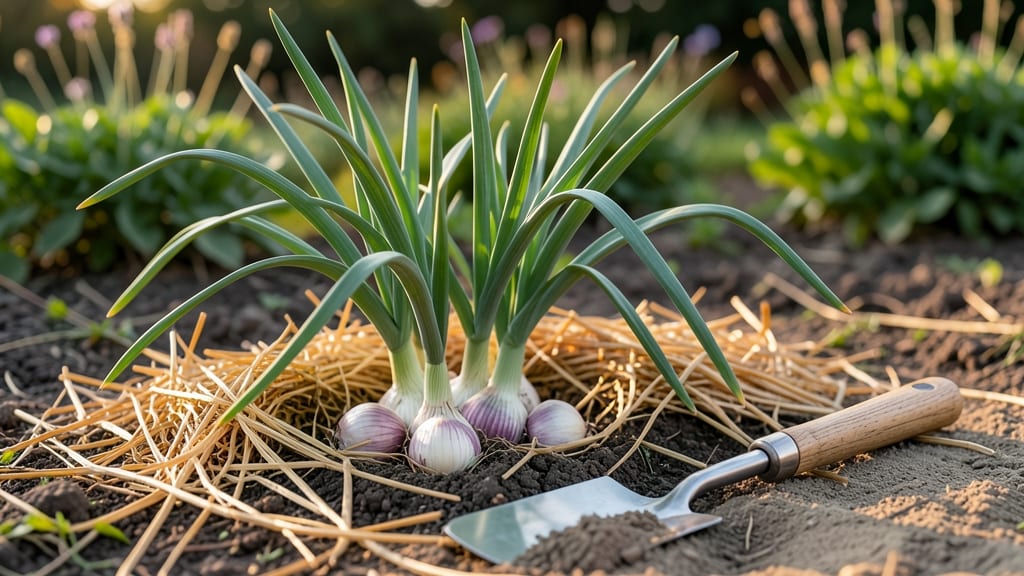
Planting garlic in Zone 7 at the wrong time means weak bulbs or wasted effort—so timing is the key to a bountiful harvest next summer. Unlike other plants, garlic needs a cold snap to develop its signature flavor, making fall the perfect window to get those cloves in the ground.
For Zone 7 gardeners, the ideal planting window is October to November, about 4-6 weeks before the first hard frost. This gives the roots time to establish before winter sets in, ensuring strong growth when spring arrives.
But don’t wait too late—if you miss this window, you might have to settle for spring planting, which can delay your harvest.
Why does this matter? Because garlic planted at the right time in Zone 7’s mild winters produces larger, more flavorful bulbs than those planted too early or too late.
I’ll walk you through the exact steps to prep your soil, choose the best varieties, and avoid common mistakes that sabotage your harvest.
Whether you’re a seasoned gardener or a first-timer, these tips will help you grow garlic that’s ready to harvest in late spring—just in time for your favorite recipes. Let’s get those cloves in the ground the right way.

Best fall planting window for garlic in Zone 7 (with exact dates)
In Zone 7, garlic thrives when planted in fall—not spring—because the cold winter months are essential for developing flavorful, plump bulbs. The key is planting 6-8 weeks before your first hard frost, typically between mid-October and early November.
This window gives garlic enough time to establish roots before winter dormancy begins.
The USDA Zone 7 average first frost date is around November 15, so aim to plant garlic between October 15 and November 1 for optimal results.
If you miss this window, you can still plant in early March, but spring-planted garlic often yields smaller bulbs and less robust flavor.
If your Zone 7 winter arrives earlier than usual, adjust your planting date by 1-2 weeks to ensure garlic roots establish before the ground freezes. For example, if frost hits by October 25, plant by October 1 instead.
Conversely, if winters are mild, you might extend planting until mid-November.
One common mistake is planting garlic too late in fall, which results in weak root systems that can’t withstand winter. Always check your local frost date predictions (like those from the National Weather Service) to fine-tune your schedule.
Pro tip: Plant a few test cloves 2 weeks early to gauge how your soil handles cold.
Spring planting in Zone 7 is possible but less ideal. If you opt for spring, plant in early March—no later than March 15—to allow bulbs to mature before summer heat sets in. However, spring-planted garlic often lacks the full flavor development that cold winter temperatures provide.
For hardneck varieties (like Rocambole or German White), which are popular in Zone 7, the fall planting window is even more critical. These types need vernalization (cold exposure) to form scapes and bulbs. Softneck varieties (like Silverskin) are more forgiving but still benefit from fall planting for larger yields.
To maximize success, pair your planting with proper soil prep. Work in 2-3 inches of compost before planting and ensure your soil drains well—garlic hates soggy roots.
After planting, apply a 2-3 inch layer of mulch (straw or leaves work best) to insulate the soil and protect cloves from freeze-thaw cycles.
Remember, garlic planted in fall will harvest the following summer, not the same year. Patience is key! With the right timing, you’ll enjoy bold, flavorful bulbs that rival store-bought—and your neighbors will be jealous of your homegrown stash. 🧄
Zone 7 garlic varieties that thrive with fall planting (hardneck vs softneck)
Zone 7 gardeners have two main garlic types to choose from: hardneck and softneck, each with unique strengths for your climate. Hardnecks like Rocambole and Artichoke produce flavorful scapes and larger bulbs but need cold winters to form properly. Softnecks like Silverskin store longer and braid beautifully but may yield smaller bulbs in Zone 7’s milder winters.
For cooking, Rocambole is my top pick—its bold, spicy flavor excels in roasted dishes. Silverskin, however, stores for months and works well for long-term braiding.
Both types thrive in Zone 7’s 60-80°F summers and 30-40°F winters, but hardnecks benefit from colder snaps to develop their signature bulbs.
Pro Tip: If you love garlic scapes, prioritize hardnecks—they produce edible flower stalks in spring. Softnecks focus energy on bulb storage instead. Your choice depends on whether you prioritize flavor, storage life, or culinary versatility.
Hardneck Garlic (e.g., Rocambole, Artichoke)
Softneck Garlic (e.g., Silverskin)
✅ Pros:
- Boldest flavor
- Produces scapes
- Larger bulbs
- Thrives in cold
✅ Pros:
- Stores 6+ months
- Braids well
- Mild, versatile flavor
- Adaptable to mild winters
❌ Cons:
- Needs cold winters
- Shorter storage
- No braiding
❌ Cons:
- Smaller bulbs
- Less flavor
- No scapes
For Zone 7’s climate, I recommend starting with Rocambole for its bold flavor and scape production. If you need garlic for holiday braiding, Silverskin is your best bet—its long storage life makes it perfect for gifts.
Both varieties perform well when planted 4-6 weeks before your first frost (typically October-November in Zone 7).
Remember: Hardnecks require consistent cold (below 40°F for 6-8 weeks) to form bulbs, while softnecks tolerate Zone 7’s milder winters. If your winters are unpredictably warm, softnecks may be the safer choice for reliable harvests.
No matter which you choose, plant individual cloves pointy-end up, 2 inches deep, and 4 inches apart. This spacing ensures proper airflow and reduces fungal diseases like white rot, a common issue in humid Zone 7 summers.
Mulch heavily after planting to protect cloves from freeze-thaw cycles.