
Trees
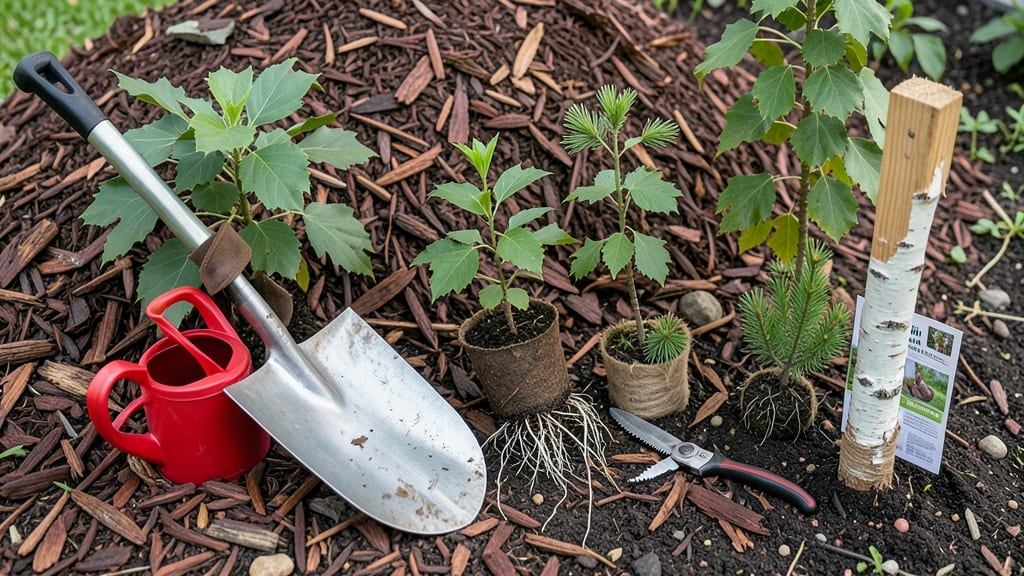
Planting a tree in Illinois at the wrong time can mean years of stunted growth—or even failure. But when you get the timing right, you’re setting up your 🌳 for a lifetime of strong roots and lush foliage, whether you're in Chicago’s urban landscape or southern Illinois’ fertile fields.
Most gardeners know spring is ideal, but the exact months make all the difference. In zones 5b-6b, early spring (March-April) or fall (October-November) gives young trees the best shot at survival, avoiding both late frosts and winter stress.
What you might not realize is that some trees—like oaks—need extra care in their planting window. We’ll break down the best times for different species, plus how to prep your soil for success, so you can plant with confidence and see your tree thrive.
Ready to turn your backyard into a haven for healthy, long-lived trees? Let’s dive into the critical timing that separates thriving landscapes from failed plantings.
Illinois tree planting calendar: exact months by region for optimal survival rates
Timing your tree planting in Illinois isn't just about seasons—it's about soil temperatures, frost risk, and regional microclimates that vary dramatically from northern Chicago to southern Illinois farmland. Plant too early, and roots freeze; too late, and summer heat stresses young trees.
The key? Align planting with 50°F soil temps and avoid late spring frosts or early fall freezes.
Illinois spans USDA zones 5b-6b, meaning northern areas (like Duluth) face harsher winters than southern regions (like Carbondale). This creates 3 distinct planting windows—each with specific months where survival rates hit 90%+.
I'll break down the exact calendar for each region, including bare-root vs. container-grown trees and species-specific adjustments.
Why this matters: A tree planted in northern Illinois during April may thrive, while the same species in southern Illinois could struggle if planted then. The difference? 2-3 weeks in frost timing and 5°F warmer soil temps. Let’s dive into the data.
| Region | Best Planting Months | Soil Temp Threshold | Frost Risk | Tree Types |
|---|---|---|---|---|
| Northern IL (Chicago, Rockford) | April 15–May 15 October 1–November 15 |
50–55°F | High (last frost: May 10) | Oak, Maple, Linden, Serviceberry |
| Central IL (Springfield, Peoria) | April 1–May 10 September 20–October 30 |
52–57°F | Moderate (last frost: April 25) | Hickory, Walnut, Redbud, Crape Myrtle |
| Southern IL (Carbondale, Cairo) | March 20–April 30 September 10–October 20 |
55–60°F | Low (last frost: April 10) | Pecan, Sweetgum, Southern Magnolia, Bald Cypress |
| Pro Tip: Container-grown trees can be planted 1 month earlier than bare-root in all regions. | ||||
Notice how southern Illinois can plant 6 weeks earlier than northern areas? That’s because Carbondale’s soil warms to 55°F by late March, while Chicago’s clay stays cold until mid-April.
This shift also explains why pecan trees thrive in the south but struggle in northern Illinois—they need warmer soils to establish roots.
For spring planting, aim to get trees in the ground 2-3 weeks before your region’s last frost date. Use mulch (3–4 inches) to insulate roots if late frosts linger.
In fall, plant 6-8 weeks before first frost to allow roots to harden off. Northern Illinois should finish by November 15, while southern Illinois can push to December 1 for container-grown trees.
Evergreens like pine or spruce are exceptions—they must be planted in early spring (March–April) to avoid winter desiccation. Deciduous trees, however, can handle fall planting better because they’re dormant. Oaks and maples, for example, benefit from fall’s cooler temps, which reduce transplant shock.
One common mistake? Planting bare-root trees in summer. Their roots dry out in 90°F+ soil. Always check soil moisture—if it’s dry 2 inches down, wait. For container-grown trees, year-round planting is possible, but avoid extreme heat (July–August) or deep freezes (January–February).
Region-specific soil prep also matters. Northern Illinois’ clay needs compost and gypsum to improve drainage, while southern Illinois’ sandy loam benefits from <
How to prepare Illinois soil and choose trees for seasonal planting success
Illinois' soil varies dramatically from the heavy clay of northern regions to the sandy loam of southern areas, both requiring different preparation for tree success. The right soil prep ensures strong root establishment, while choosing the right tree species maximizes survival rates in your specific microclimate.
Let's break down the essential steps to create an ideal planting environment.
First, test your soil's pH and composition using a simple kit from your local garden center. Illinois soils often test between 5.5 and 7.5, but trees like oaks and pines prefer slightly acidic soil (5.5-6.5), while maples and fruit trees thrive in neutral to slightly alkaline conditions (6.5-7.5).
Adjust the pH with lime for acidity or sulfur for alkalinity as needed.
For clay-heavy soils common in northern Illinois, improve drainage by mixing in 2-3 inches of compost and coarse sand to a depth of 12 inches. Clay holds moisture too tightly, which can suffocate roots.
In contrast, sandy soils in southern Illinois need organic matter like peat moss to retain moisture and nutrients. Aim for a 30% organic content in your amended soil.
🌱 Best Time to Plant Trees in Illinois
March-April (after last frost)
October-November (6 weeks before frost)
Above 40°F (4°C) for root growth
Deciduous: Spring/Fall
Evergreen: Fall only
✅ Pro Tip: Container-grown trees can be planted year-round (except extreme cold/heat), but bare-root trees must go in during dormancy seasons.
When selecting trees for Illinois' diverse regions, prioritize drought-resistant varieties for urban areas where water conservation is critical. For northern Illinois, consider bur oaks or hackberry trees, which tolerate clay soils and occasional drought. In central Illinois, redbuds and serviceberries thrive in well-drained soils and provide beautiful spring blooms.
Southern Illinois' warmer microclimates support southern magnolias and live oaks, which handle humidity and occasional flooding better than northern varieties. Always check the mature size of your chosen tree—avoid planting large species like black walnuts too close to structures or power lines.
Dwarf varieties like Japanese maples are perfect for small urban spaces.
After planting, mulch with 3-4 inches of wood chips, keeping it 3 inches away from the trunk to prevent rot. Water deeply once a week for the first year, then reduce to every 2-3 weeks once established.
Illinois' variable climate means you'll need to monitor soil moisture closely—especially during late spring frosts or summer droughts.
For urban gardeners, consider pollution-tolerant trees like ginkgo or London planetrees, which handle city conditions well. Always research your specific USDA hardiness zone (5a-6b in Illinois) to ensure your chosen species can survive winter temperatures.
With the right soil prep and species selection, your Illinois trees will thrive for decades.