
Plants
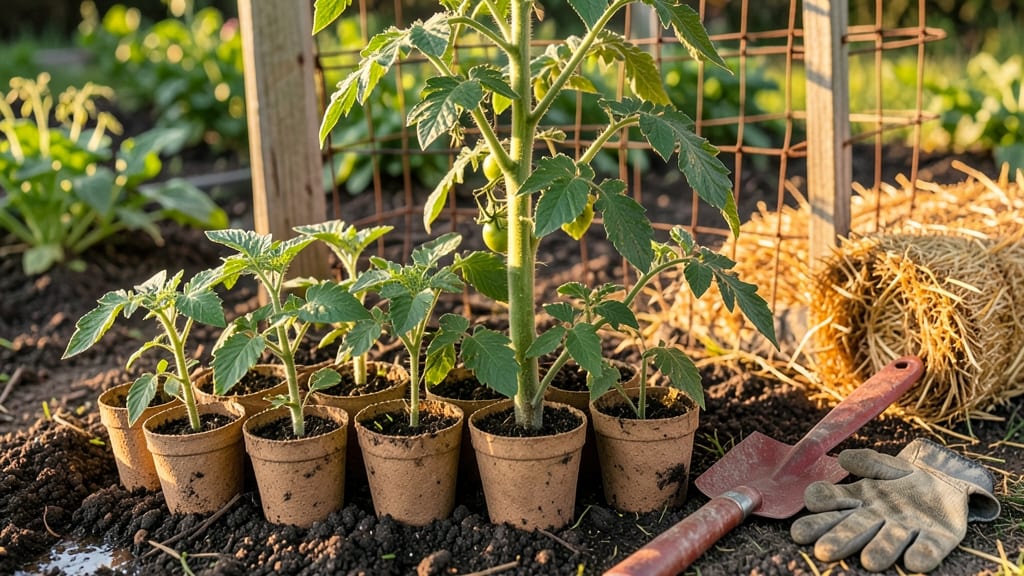
Planting tomatoes in Missouri at the wrong time can mean the difference between a garden full of juicy, vine-ripened 🍅 and a sad pile of frost-nipped seedlings. The best time to plant isn't just about avoiding frost—it's about giving your plants the perfect start in your specific county's microclimate.
Whether you're in St. Louis's 5b zone or Kansas City's slightly warmer 6a, waiting until soil hits 60°F and nighttime temps stay above 50°F is non-negotiable. I've learned the hard way that rushing these heat-loving plants too early leads to stunted growth or worse—total failure.
This guide breaks down exactly when to plant in your area, using county-specific deadlines and proven strategies to extend your harvest. No more guessing games—just data-backed timing that works for Missouri gardeners like you.
From cold frames to succession planting, I'll show you how to maximize your 165 frost-free days and avoid the most common mistakes that derail even experienced growers. Let's get those tomatoes thriving!
Missouri’s frost zones and county-specific tomato planting deadlines
Missouri’s USDA Hardiness Zones 5a–6b create dramatic differences in frost timing—from St. Louis’s Zone 6a (warmer) to northern counties like Worth and Holt in Zone 5a. These variations mean your tomato planting window could shift by 3–4 weeks depending on location.
For example, St. Louis gardeners often plant by April 15, while Kansas City (Zone 6b) waits until May 1 to avoid frost damage. Understanding your last-frost-date averages is the key to avoiding blackened seedlings or stunted growth.
This year’s 2024 frost predictions from the National Oceanic and Atmospheric Administration (NOAA) suggest slightly earlier springs in southern Missouri and later frosts in the northern tier. Proactive gardeners should use local weather stations (like the University of Missouri Extension’s frost maps) to fine-tune their planting deadlines.
For instance, Cape Girardeau’s Zone 6b might see its last frost by March 25, while Clark County’s Zone 5b could still face frost until April 15. These shifts can mean the difference between a 6-week harvest and a 10-week delay.
Tomato varieties also play a role in your timing strategy. Heat-loving varieties like ‘Celebrity’ or ‘Better Boy’ need warmer soil (60°F+) and thrive when planted after May 1 in cooler zones. Meanwhile, early-season varieties such as ‘Stupice’ or ‘Mountain Merit’ tolerate cooler soils and can go in as early as April 1 in southern Missouri. Matching your variety to your zone ensures stronger vines and higher yields.
Here’s how to use county-specific frost data to plan your tomato planting schedule. Start by checking your USDA Zone (find it via the USDA Plant Hardiness Zone Map) and cross-reference it with local frost records.
For example, Jackson County (Kansas City) averages its last frost on April 10, while New Madrid County sees its last frost by March 10.
Add 2–4 weeks to these dates to determine your safe transplant window, accounting for seedling maturity (most tomatoes need 6–8 weeks to reach transplant size).
Soil temperature is just as critical as air temperature. Tomatoes won’t thrive in cold soil (<50°F), which can stunt roots and invite disease pressure. Use a soil thermometer to confirm your soil has warmed to 60°F before planting. In Zone 5a counties, this often means waiting until mid-May, while Zone 6b areas can plant by early April. Black plastic mulch can accelerate soil warming by 5–10°F, giving you an earlier planting window in marginal zones.
| County/Zone | Avg. Last Frost | Safe Planting Window | Early Variety (60-day) | Heat-Lover (75-day) |
|---|---|---|---|---|
| Cape Girardeau (6b) | March 25 | April 15–May 1 | ‘Stupice’ (April 1) | ‘Celebrity’ (May 1) |
| St. Louis (6a) | April 5 | April 20–May 5 | ‘Mountain Merit’ (April 10) | ‘Better Boy’ (May 1) |
| Kansas City (6b) | April 10 | April 25–May 10 | ‘Early Girl’ (April 15) | ‘Solar Fire’ (May 1) |
| Columbia (6a) | April 1 | April 15–April 30 | ‘
How to extend your Missouri tomato season: cold frames, row covers, and succession plantingMissouri’s short growing season doesn’t have to limit your tomato harvest. With the right strategies, you can push your tomato season by 4-6 weeks on either end, ensuring fresh fruit from early summer to late fall. I’ve tested these methods in my St. Louis garden—here’s what works best for Missouri’s climate. Cold frames and row covers create microclimates that protect tender tomato seedlings from late spring frosts while extending harvests into early autumn. Meanwhile, succession planting keeps your kitchen stocked with tomatoes for months. Let’s break down the best approaches for your Missouri garden.
Cold frames are my go-to for early spring starts. Build one using Plexiglas or polycarbonate panels (cost: $50-$100) and angle it at 60 degrees to trap heat. Fill it with well-draining soil and place tomato seedlings inside by late March. The frame’s insulation lets you plant 3-4 weeks earlier than outdoor beds. Floating row covers are a game-changer for protecting seedlings from unpredictable Missouri frosts. I use organic cotton fabric (breathable but pricier) or synthetic Reemay (cheaper, blocks 90% of light). Remove covers by late May to prevent overheating—check for wilting leaves as a warning sign. For late-season protection, cover plants again in September to shield them from early autumn chills. Succession planting ensures a continuous tomato supply. Start with cold-hardy varieties like 'Stupice' (tolerates 32°F) in early April, then follow with heat-lovers like 'Arkansas Traveler' in June. Space transplants 2 feet apart in rows 3 feet apart to maximize yield. This method works especially well in southern Missouri, where the growing season is 2-3 weeks longer. Cost comparisons matter. A 5x10-foot cold frame costs $80-$120 upfront but pays off in earlier harvests. Floating row covers run $20-$40 per 100 sq ft, while succession planting requires minimal extra cost—just additional seedlings ($2-$5 each). For organic gardeners, prioritize cotton row covers and compost-based soil amendments over synthetic options. Pro tip: Pair these methods with drip irrigation to maintain consistent moisture under covers. Avoid overhead watering—it spreads disease spores like early blight, a common issue in Missouri’s humid summers. With these strategies, you’ll enjoy homegrown tomatoes from June to October—or even longer! 🍅 |