
Plants
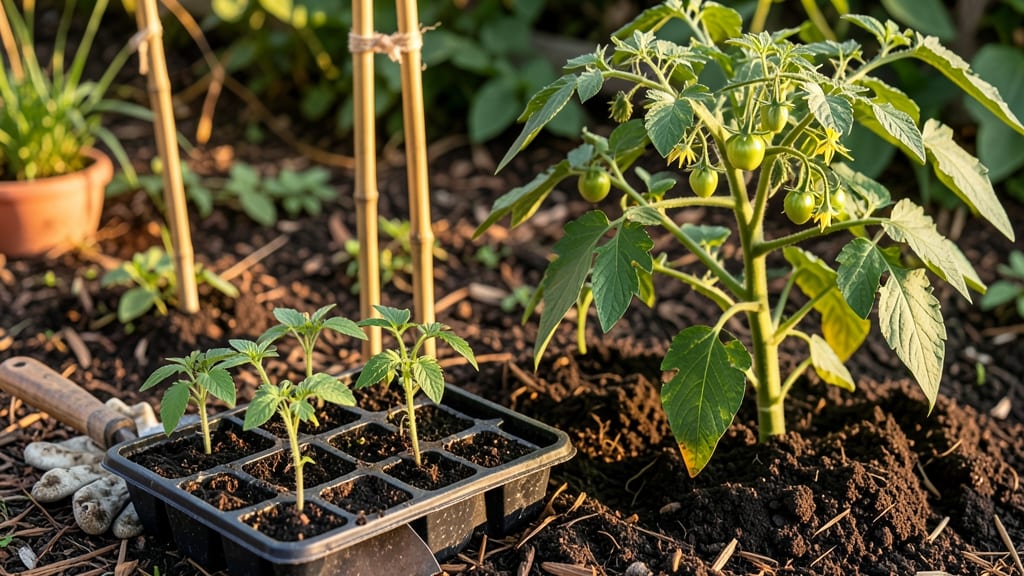
Planting tomatoes in Indiana at the wrong time can mean the difference between a bountiful harvest of juicy 🍅 and a sad, frost-nipped failure. The best time to plant isn't just about dates—it's about soil warmth, frost risks, and your local microclimate, all of which vary across the state.
Most Indiana gardeners (especially in USDA Zone 6a) should wait until after the last frost date—typically around April 15—but soil temperature is the real game-changer. Tomatoes need warm soil (at least 60°F) to thrive, and cold ground can stall growth or invite disease.
You might be tempted to rush planting in early spring, but rushing leads to stunted plants or worse. Instead, I’ll show you how to time it perfectly—whether you’re starting seeds indoors in March or transplanting seedlings after the frost-free window opens.
Let’s break down the exact windows, soil tests, and variety choices that work best for Indiana’s climate, so you can grow tomatoes that taste like summer all season long.
Indiana’s frost dates and tomato planting windows by region
Indiana’s diverse climate means last frost dates can vary by 500 miles—from northern Lake County to southern Gibson County.
These differences directly impact when you should plant tomatoes, whether you’re starting seeds indoors or transplanting seedlings outdoors. Northern Indiana typically waits until mid-to-late May, while southern Indiana can start as early as early April for warm-season crops like tomatoes.
Tomatoes are warm-season plants that thrive in soil temperatures above 60°F. Planting too early risks frost damage or slow growth, while waiting too long can shorten your harvest window.
Indiana’s USDA Hardiness Zones 5b-6a further complicate timing, as microclimates near rivers or urban areas may experience earlier soil warming than rural zones.
For transplanting seedlings, aim for 2-3 weeks after your region’s average last frost date.
This gives young plants time to establish roots before summer heat arrives. Direct sowing seeds requires even warmer soil—wait until soil temperatures consistently reach 65°F—which often means delaying until late May or June in colder regions.
Here’s how Indiana’s regions break down for tomato planting windows, including both transplant dates and seed-starting timelines:
| Region | Avg. Last Frost | Transplant Window | Direct Sow Window | Seed Start Indoors |
|---|---|---|---|---|
| Northern Indiana (Lake, Porter, LaPorte) | May 15 | May 20–June 1 | June 1–15 | March 1–15 |
| Central Indiana (Marion, Hamilton, Boone) | April 25 | April 30–May 15 | May 15–30 | February 20–March 15 |
| Southern Indiana (Gibson, Posey, Vanderburgh) | April 10 | April 15–May 1 | May 1–15 | February 1–15 |
*Dates based on 30-year averages; adjust for microclimates near water or urban areas.
If you’re starting seeds indoors, begin 6-8 weeks before your region’s transplant window. For example, northern Indiana gardeners should start seeds around March 1, while southern Indiana can begin as early as February 1.
Use grow lights or a sunny windowsill to ensure strong seedlings before transplanting.
For direct sowing seeds outdoors, wait until soil temperatures reach at least 65°F. In northern Indiana, this often means delaying until early June, while southern Indiana may see suitable conditions by mid-May. Use a soil thermometer to confirm—tomato seeds won’t germinate well in cold soil.
Pro tip: Extend your season by using row covers or black plastic mulch to warm soil faster. In northern Indiana, this can shave 1-2 weeks off your planting timeline. Just remove covers once flowers appear to prevent overheating.
Remember, frost dates are averages—not guarantees. Monitor your local National Weather Service forecasts and adjust planting dates if late frosts are predicted. With the right timing, you’ll enjoy homegrown tomatoes from July through October—or even longer with succession planting!
🌱
Soil temperature and warmth requirements for healthy tomato growth
Tomatoes thrive when soil temperatures are just right—too cold, and seeds won’t germinate; too hot, and roots struggle. In Indiana’s USDA Zone 6a, aim for soil temps between 55°F and 65°F for optimal growth.
Seeds need at least 55°F to sprout, but roots grow best when soil hits 60°F or warmer. Without proper warmth, your tomato plants may develop slowly or rot before they even take off.
Testing soil temperature is simpler than you think. Grab a soil thermometer (available at garden centers for under $10) and check the temperature 1 inch below the surface in the morning.
If it’s below 55°F, your seeds or seedlings are at risk. Cold soil also makes nutrients less accessible, leading to stunted growth or blossom end rot later in the season.
Here’s the kicker: Indiana’s spring soil warms unevenly. Northern regions like Gary or Fort Wayne may still have 40°F soil in early May, while southern areas like Evansville or Bloomington could hit 60°F by late April. Always test your specific location—don’t rely on general averages.
⚠️ Cold Soil = Failed Tomatoes
Planting too early? Your tomatoes may:
- ❄️ Fail to germinate (soil <55°F)
- 🌱 Sprout but rot (moist cold soil)
- 🍃 Grow slowly (stunted roots)
- 🌡️ Struggle with diseases (fungal risks rise)
Pro Tip: Use black plastic mulch or row covers to warm soil by 5–10°F faster.
If your soil is too cold, don’t panic—there are easy fixes. Lay down black plastic mulch 1–2 weeks before planting to absorb sunlight and raise temperatures. For an extra boost, use row covers or even a cold frame to trap heat.
These methods can add 5–10°F to soil warmth, helping seeds germinate weeks earlier than usual.
For container-grown tomatoes, use heat mats or plant in black pots (they absorb more heat). If you’re starting seeds indoors, keep them near a sunny window or under grow lights until soil temps reach 65°F before transplanting.
Hardening off seedlings in cooler temps can also help them adapt to Indiana’s unpredictable springs.
Once your soil hits 60°F+, your tomatoes will reward you with vigorous growth. Monitor temps weekly—especially after rain or cold snaps—and adjust your planting schedule accordingly. With the right warmth, you’ll be harvesting juicy tomatoes by mid-summer, not struggling through a slow start.