
Plants
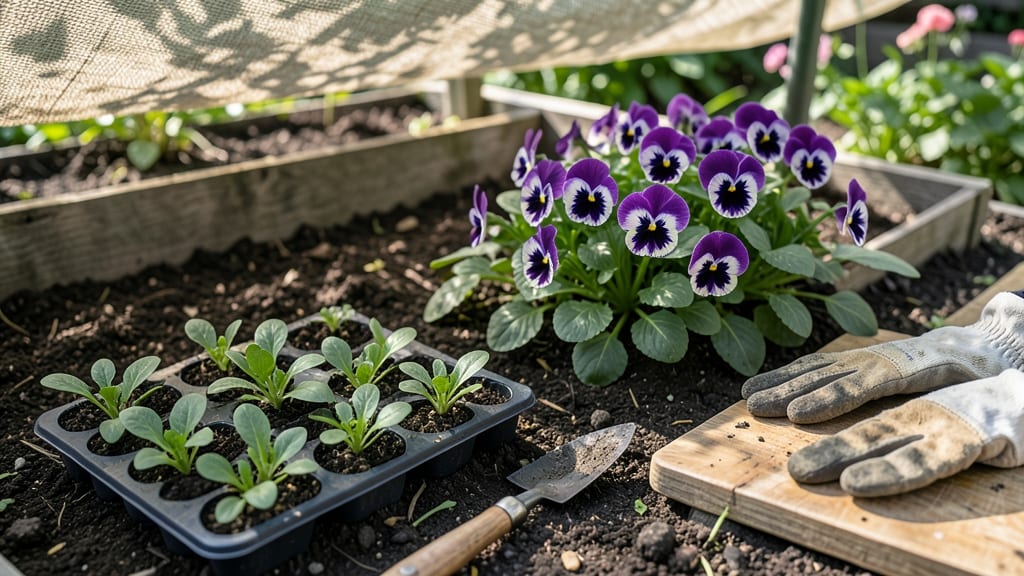
When is the best time to plant pansies in Georgia?—it’s all about nailing that sweet spot between frost and heat to keep those 🌸 blooms thriving all season long. If you’ve ever watched your pansies wilt under Georgia’s sweltering sun or struggle through a late spring freeze, you know timing makes all the difference.
Fall planting—starting as early as September—lets pansies establish roots before winter, giving you vibrant color from late fall through spring. But spring planting in February or March can also work if you’re in warmer zones like 8b, where frosts are gentler.
The key? Avoid planting too close to summer’s heat, or you’ll end up with leggy, sad flowers instead of the showstopper display you’re after.
I’ve learned the hard way that Georgia’s microclimates—from the cooler hills of North Georgia to the milder South—demand different strategies.
Whether you’re in Zone 7b or 8b, I’ll break down exactly when to plant, how to prep your soil, and which companion plants keep your pansies looking their best year-round.
Ready to transform your garden into a nonstop pansy paradise? Let’s dive into the best months, soil secrets, and pro tips that’ll have your garden buzzing with color—without the guesswork.
Optimal planting months for pansies in Georgia: fall vs. spring breakdown
Pansies thrive in Georgia’s cool-season climate, but timing your planting is critical to avoid heat stress or frost damage. The state’s USDA Zones 6b–8a create distinct microclimates, so I’ll break down the best windows for fall (September–October) and spring (February–March) planting, including soil prep and regional adjustments.
Fall planting offers longer blooming seasons and avoids summer’s intense heat, while spring planting captures early spring color. Let’s compare these two strategies to help you decide which works best for your Georgia garden’s specific conditions.
For North Georgia (Zones 6b–7b), fall planting in September–October gives pansies time to establish roots before winter. Aim to plant 4–6 weeks before the first frost, typically by mid-October. This timing ensures vibrant blooms through winter and early spring before summer heat sets in.
In South Georgia (Zones 7a–8a), where winters are milder, you can extend fall planting into November. However, avoid planting too late—pansies struggle with heat stress above 80°F, so spring planting in February–March is safer for southern regions.
Spring planting in February–March captures early spring color but requires quick establishment before summer heat. In Zone 8a, where winters are mild, you can even plant pansies in January for winter blooms. Just monitor soil temperatures—they should stay above 55°F for root growth.
Regardless of season, prepare your soil with compost and a balanced fertilizer (5-10-10) to ensure strong root development. In shady gardens, opt for variegated pansies like 'Cool Wave' or 'Matrix,' which tolerate lower light better than solid-colored varieties.
Pro tip: Use row covers in late fall or early spring to protect pansies from unexpected frost or heat spikes. This simple step can extend your blooming season by 2–3 weeks in both planting windows.
For container gardening, plant pansies in February–March to avoid summer heat stress. Choose smaller varieties like 'Tiny Tots' and place containers in partial shade during peak afternoon sun.
Remember, pansies are cool-season annuals, so they’ll fade as temperatures rise. Plan your garden layout to rotate pansies with summer flowers like zinnias or marigolds for continuous color.
🌸
How to prepare your Georgia garden for pansy planting: soil, sun, and spacing tips
Pansies thrive in Georgia’s climate when given the right conditions, but their success hinges on proper soil preparation, sunlight exposure, and spacing techniques. Unlike heat-loving annuals, pansies prefer cooler temperatures and gentle shade, especially during Georgia’s sweltering afternoons.
Let’s dive into the specifics to ensure your pansies bloom beautifully from fall through spring.
Start by testing your soil pH, which should fall between 6.0 and 7.0 for optimal pansy growth. Georgia’s native soil often leans acidic, so amend it with lime or compost to achieve the ideal range.
A simple soil test kit from your local garden center will give you precise readings, saving you time and guesswork.
🌱 Key Takeaway: Best Time to Plant Pansies in Georgia
- Fall Planting: September–October (4–6 weeks before first frost)
- Spring Planting: January–February (avoid late March heat)
- Soil Temp: 50–65°F for root establishment
- Sunlight: Partial shade (morning sun, afternoon shade)
✅ Pro Tip: Mulch with 2–3 inches of straw to retain moisture and protect roots in Georgia’s humidity.
When it comes to sunlight requirements, pansies prefer partial shade—think morning sun paired with afternoon shade, especially in Georgia’s hotter regions like Atlanta or Savannah. Full sun can scorch their delicate petals, while too much shade may reduce blooming.
A spot near a north-facing wall or under a dappled tree canopy works perfectly for most Georgia gardens.
Spacing is another critical factor. Plant pansies 6–12 inches apart in rows spaced 12–18 inches apart to allow for airflow and prevent fungal diseases common in Georgia’s damp climate.
Overcrowding leads to weak stems and fewer blooms, so give them room to thrive. For container gardens, use one plant per 6-inch pot to mimic proper spacing.
Finally, mulching is your secret weapon against Georgia’s heat and humidity. Apply a 2–3 inch layer of organic mulch, like pine straw or shredded leaves, around your pansies to lock in moisture and regulate soil temperature.
This simple step can extend your blooming season by 3–4 weeks, keeping your garden vibrant even during mild winters.
With the right soil prep, sunlight balance, and spacing strategy, your Georgia garden will be a riot of pansy colors from fall through spring. Just remember: cool roots and gentle shade are the keys to pansy success in our unique climate! 🌸