
Plants
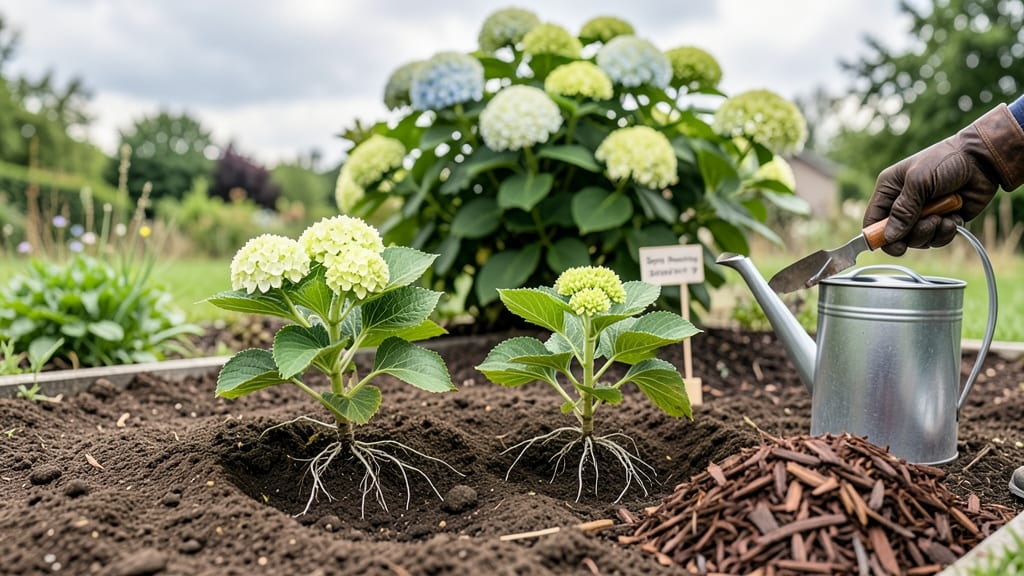
When is the best time to plant hydrangeas in the Northeast? It isn’t just about checking a calendar—it’s about waiting for that perfect soil warmth that gives your 🌸 roots the best shot at thriving. Too early, and frost can sneak back; too late, and your shrub might struggle to establish before winter hits.
Most gardeners assume spring is the only window, but fall planting often gives hydrangeas a head start. The key is timing it right—after the last frost but before the ground cools for winter.
For USDA Zones 3-8, that means late April to early June or early September, when soil temps hit 60-65°F.
Why does this matter? Because hydrangeas hate soggy roots but love consistent moisture. Planting at the wrong time can lead to weak growth or even death.
I’ll break down the exact signs your soil is ready and how to adjust for your specific zone—whether you’re in chilly Zone 3 or milder Zone 7.
Ready to grow hydrangeas that burst with color year after year? Let’s dive into the science-backed secrets that make all the difference in the Northeast’s unpredictable climate.
Optimal planting windows for Northeast hydrangeas: soil temperature vs. frost dates
Timing your hydrangea planting in the Northeast isn’t just about the calendar—it’s about waiting for the perfect soil warmth that ensures strong root development and vibrant blooms. The ideal soil temperature for planting hydrangeas is between 60-65°F, which triggers faster root establishment and reduces transplant shock.
This window varies dramatically across the Northeast, from late April in Zone 7 to early June in Zone 4, depending on when your soil warms up.
While many gardeners focus on frost dates, soil temperature is actually the more critical factor for hydrangeas. A late spring frost won’t harm established roots if the soil has already warmed, but planting too early in cold soil can stunt growth for weeks.
The Northeast’s microclimates—like urban heat islands in NYC or cooler highland areas in Pittsburgh—further complicate timing, making regional adjustments essential for success.
Here’s the key insight: Early fall (September) is often safer than late spring because the soil retains more warmth from summer, giving roots time to establish before winter. However, planting too late in fall—after 6-8 weeks before first frost—can leave hydrangeas vulnerable to cold damage before they’re fully rooted.
Let’s break down the best windows by region using soil temperature as our guide.
| Region | USDA Zone | Soil Temp Window (60-65°F) | Spring Planting Window | Fall Planting Window | Risk Factor |
|---|---|---|---|---|---|
| New York City (NYC) | Zone 7-8 | Late April - Early May | April 20 - May 10 | September 15 - October 5 | Low (urban heat extends season) |
| Boston, MA | Zone 6-7 | Early May - Mid-May | May 1 - May 20 | September 1 - September 15 | Moderate (coastal breezes delay warmth) |
| Pittsburgh, PA | Zone 5-6 | Mid-May - Late May | May 15 - June 1 | August 30 - September 10 | High (late frosts common) |
| Buffalo, NY | Zone 5-6 | Late May - Early June | May 25 - June 5 | August 20 - September 5 | High (lake-effect delays warmth) |
| Portland, ME | Zone 4-5 | Early June | June 1 - June 15 | August 15 - August 30 | Very High (short growing season) |
Notice how Pittsburgh and Buffalo have later planting windows than Boston, despite being in similar zones? This is due to lake-effect weather patterns and higher elevations slowing soil warming. In contrast, NYC’s urban heat island allows for earlier planting—sometimes as early as mid-April in sheltered microclimates.
Always check your local last frost date as a backup, but prioritize soil temperature for hydrangeas.
Late spring planting (May-June) is riskier because hydrangeas struggle to establish roots before summer heat sets in. If you miss the fall window, consider container planting to give roots more control over their environment.
Containers also let you move plants to sheltered spots if late frosts threaten. For in-ground plantings, always mulch heavily (3-4 inches) after planting to retain soil warmth and moisture.
Pro tip: Use a soil thermometer ($10 at garden centers) to confirm readiness. Stick it 6 inches deep
How to test soil readiness for hydrangeas: a step-by-step guide
Planting hydrangeas at the right time in the Northeast means waiting for soil that’s warm enough to support root growth. Cold soil can stunt development, while soil that’s too warm may stress young plants. The ideal soil temperature for hydrangeas is between 60–65°F, signaling it’s time to plant.
Before digging in, check three key factors: soil temperature, moisture levels, and organic matter. Skipping these steps can lead to poor root establishment, even if you’ve picked the right planting window. For example, a late spring with unseasonably cold soil might delay planting by weeks.
Step-by-Step Soil Readiness Test
- Step 1
- Step 2
- Step 3
- Step 4
If your soil is ready but the weather forecast predicts a hard frost within 1–2 weeks, consider using row covers or planting in containers for flexibility. Containers warm up faster in spring and can be moved to sheltered spots if frost threatens.
For acid-loving hydrangeas (like blue varieties), test soil pH with a kit. Aim for 5.2–5.5. If your soil is too alkaline, amend it with sulfur or peat moss 4–6 weeks before planting to give the soil time to adjust.
Remember, hydrangeas planted in warm soil establish roots faster, leading to healthier plants and more vibrant blooms the following season. Don’t rush—waiting for the perfect conditions is worth the extra time! 🌱