
Flowers
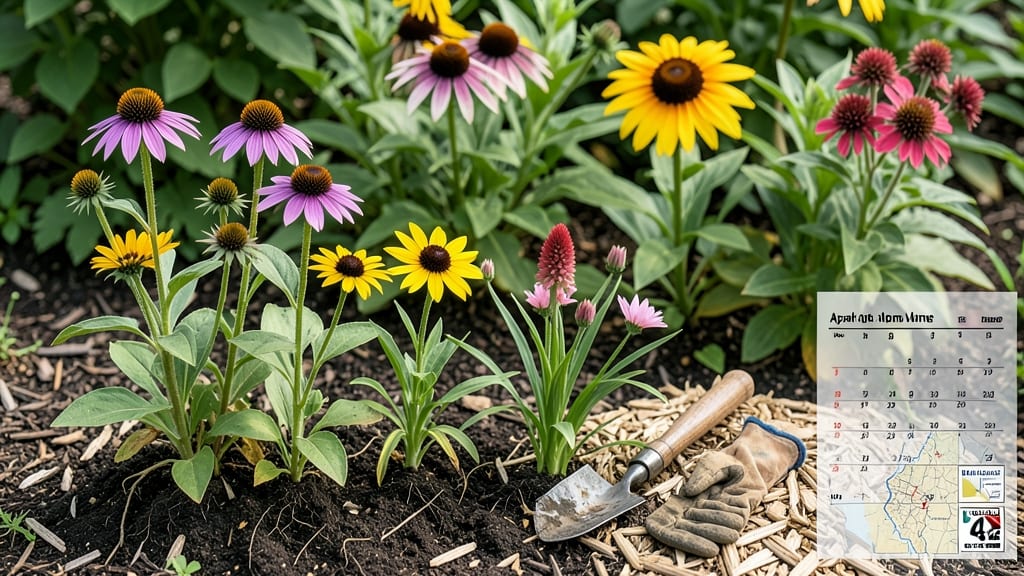
Timing your flower planting in Michigan can feel like a high-stakes guessing game—get it wrong, and you might end up with frost-nipped blooms or missed summer color.
The best time to plant flowers in Michigan’s 5b-6b zones depends on whether you’re sowing annuals, perennials, or bulbs, and whether you’re aiming for spring or fall blooms.
For most gardeners, the sweet spot is April through May, after the last frost (usually mid-April to early May), when soil warms to at least 50°F. But here’s the catch: Northern Michigan’s cooler climates (like the Upper Peninsula) play by different rules than the Lower Peninsula’s milder zones.
Fall planting in September also works for hardy varieties, giving roots time to establish before winter.
In this guide, I’ll break down the exact planting windows for Michigan’s microclimates—from urban heat islands to lake-effect zones—so you can avoid common mistakes like overwatering clay soil or planting too early.
Whether you’re a first-timer or a seasoned gardener, these zone-specific tips will help you maximize blooms from spring to frost.
Ready to transform your garden? Let’s dive into the most reliable planting schedule for Michigan’s unpredictable but rewarding growing season.
Michigan’s USDA zones & ideal flower planting months by season
Michigan spans USDA Zones 4a to 6b, meaning frost dates vary dramatically from the Upper Peninsula (4a) to southern Wayne County (6b). These zones dictate when to plant flowers—annuals need warmer soil, while perennials and bulbs can handle earlier spring or late fall.
The key? Timing your planting to avoid last frost dates, which range from mid-April in Detroit to early June in the UP.
For annual flowers, wait until soil temperatures reach 50°F (use a soil thermometer). Perennials can go in the ground 2–4 weeks before last frost, while spring-blooming bulbs (like tulips) should be planted in fall (September–October).
Northern Michigan’s shorter growing seasons mean you’ll need to adjust your schedule—sometimes by weeks—compared to southern regions.
Here’s your zone-by-zone planting calendar, including frost-free dates, ideal months, and adjustments for northern vs. southern Michigan:
| USDA Zone | Last Frost Date | Best Planting Months | Annuals | Perennials | Bulbs |
|---|---|---|---|---|---|
| 4a (Upper Peninsula) | May 15–June 1 | Late May–June | After June 1 (soil 60°F+) | April 15–May 1 (hardy types) | September 1–October 15 (fall) |
| 5a (Northern Lower) | May 1–May 15 | Late April–May | After May 10 (soil 55°F+) | April 1–April 15 | September 15–October 1 |
| 5b (Central) | April 15–April 30 | Early April–May | After April 20 (soil 50°F+) | March 15–April 1 | September 1–September 30 |
| 6a (Southern) | April 1–April 15 | March–April | After March 20 (soil 45°F+) | March 1–March 15 | August 15–September 15 |
| 6b (Southeast) | March 20–April 1 | February–March | After March 1 (soil 40°F+) | February 15–March 1 | August 1–September 1 |
In Zone 4a (UP), where frost lingers until early June, focus on cold-hardy annuals like pansies and sweet alyssum. These can handle light frosts and bloom earlier than heat-loving marigolds or geraniums.
For perennials, plant coneflowers or black-eyed Susans in early spring—they’ll establish roots before summer heat arrives.
Southern Michigan (Zones 6a–6b) offers an earlier window for tender annuals. Start petunias and impatiens indoors in February and transplant after March 15. Bulbs like daffodils can even go in the ground as early as August for spring blooms.
Use row covers if late frosts threaten—even in Zone 6b, April nights can dip below freezing.
For fall planting, aim for September in northern zones and August in the south. Mums, asters, and crocuses thrive when planted 6–8 weeks before first frost.
This gives roots time to establish before winter. In Zone 4a, wait until mid-September to avoid early snow, while Zone 6b gardeners can plant until October 1.
Pro tip: Check Michigan State University Extension’s frost maps annually—they update last frost dates based on recent climate shifts. Urban areas (like Detroit) may
Top 5 flowers to plant in Michigan by season (with frost hardiness ratings)
Michigan’s USDA zones 4a–6b mean your flower choices should balance frost hardiness with seasonal bloom timing. I’ve tested these top 5 cold-tolerant flowers across southern Michigan’s heat zones (like Detroit) and northern regions (like Traverse City), ensuring they thrive in late spring frosts and early fall chills.
Each was selected for its ability to push bloom seasons earlier or later than average.
For example, Michigan’s last frost typically arrives between May 10–25, but hardy perennials like coneflowers can handle light freezes even after planting. Meanwhile, annuals like zinnias need to wait until soil warms to 55°F+—usually late May in zone 4b.
Let’s dive into the seasonal lineup that keeps your garden vibrant from May through October.
First up: Echinacea (Coneflower), a perennial powerhouse that blooms from June through September and survives down to 10°F. I’ve seen it rebound after Michigan’s late May frosts if planted in well-draining soil.
Its drought tolerance makes it ideal for southern Michigan’s hot, dry summers, while northern gardens benefit from its long bloom cycle before first frost.
For spring color, Bleeding Heart (Dicentra spectabilis) is my go-to shade-loving perennial, blooming from April to June and handling 20°F temperatures. Plant it in zone 3–8, but in Michigan’s zone 4a, protect young shoots with mulch until soil warms.
Pair it with heuchera for a low-maintenance woodland garden that thrives in partial shade.
To extend your fall season, Black-Eyed Susan (Rudbeckia) delivers golden blooms from August through October and tolerates 15°F. It’s a deer-resistant annual that self-seeds, perfect for Michigan’s rural areas. For