
Plants
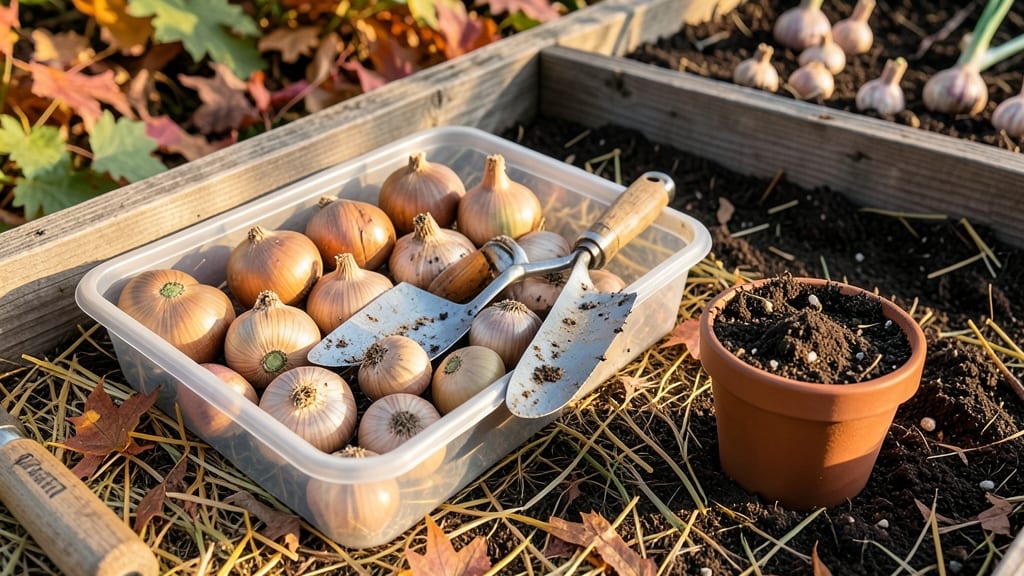
Planting bulbs at the wrong time in fall can mean the difference between next spring’s showstopping blooms and a sad, empty garden bed. You’ve spent hours picking out your favorite daffodils and tulips—don’t let timing ruin the payoff!
The ideal window is 6-8 weeks before your first frost, giving those roots time to anchor before winter sets in. In USDA Zone 6a, that means aiming for late September to mid-November—when soil temps hover around 60°F and days grow noticeably shorter.
Too early, and bulbs may rot; too late, and they won’t establish before the ground freezes.
Here’s the game-changer: adjust based on your local frost date and bulb type. Tulips and hyacinths need cooler soil to trigger blooming, while daffodils are more forgiving. I’ll walk you through the exact steps to prep your soil, space those bulbs just right, and avoid common mistakes that sabotage success.
Ready to set your garden up for perfect spring blooms? Let’s break down the science—and the simple tricks—that make all the difference. Your future self (and those vibrant flowers) will thank you!
The ideal fall planting window: exact weeks before frost for bulb success
Planting fall bulbs like tulips, daffodils, and hyacinths requires precision—too early, and they’ll rot; too late, and they won’t root before frost. The ideal window is 4-8 weeks before your first frost date, when soil temperatures hover around 60°F and stay above freezing at night.
This timing ensures bulbs establish roots but avoid winter dormancy too soon.
Most gardeners in USDA Zones 3-10 should aim for late September to mid-November, but exact dates vary by region. For example, Zone 3’s 6-week window (plant by early October) contrasts with Zone 9’s 8-week window (plant until late November).
Understanding your local frost dates is critical—check the National Weather Service or plant your frost-sensitive bulbs first.
| USDA Zone | Planting Window | Soil Temp (°F) | Key Bulbs to Plant |
|---|---|---|---|
| 3-4 | Late August–early October | 55–60°F | Tulips, Daffodils, Crocus |
| 5-6 | Mid-September–mid-October | 50–60°F | Hyacinths, Alliums, Snowdrops |
| 7-8 | Late September–November | 55–65°F | Lilies, Fritillaries, Muscari |
| 9-10 | October–December (early) | 60–70°F | Caladiums, Canna Lilies |
Soil conditions matter just as much as timing. Bulbs need well-draining soil to prevent rot—amend heavy clay with compost or sand to improve aeration. Dig holes 2-3 times deeper than the bulb’s height (e.g., 6-8 inches deep for tulips) and space them 3-6 inches apart, depending on the variety.
Planting too shallow risks frost heave, while over-deepening delays blooming.
Temperature thresholds are non-negotiable. If nighttime temps drop below 40°F before roots establish (typically 4-6 weeks after planting), bulbs may fail to thrive. Use a soil thermometer to confirm readiness—ideal temps are 55-65°F at planting time.
In Zone 9-10, where winters are mild, you can extend planting until December, but avoid planting when soil temps exceed 70°F.
Mulching after planting is a game-changer. Apply 2-3 inches of mulch (straw or shredded leaves) to insulate bulbs from frost fluctuations and retain moisture. Remove mulch in early spring once shoots emerge to prevent rot.
For container-grown bulbs, use a lightweight potting mix with perlite and plant in pots with drainage holes—these can be moved to a garage if frost threatens prematurely.
Don’t overlook bulb variety differences. Hardy bulbs like daffodils and crocus tolerate earlier planting, while tender varieties (e.g., hyacinths) need warmer soil. Prioritize frost-sensitive bulbs first, then plant hardier types as your window closes.
Label your bulbs to track planting dates—this helps you adjust future schedules based on bloom performance.
Pro tip: Use a planting calendar or app like Gardenate to input your zip code and receive personalized frost dates. These tools account for microclimates (e.g., urban heat islands or sheltered garden spots) that can shift your ideal window by 1-2 weeks.
For example, a south-facing slope may stay warmer longer, extending your planting window.
If you miss the ideal window, don’t panic. Early planting (up to 2 weeks before the recommended date) is safer than late planting—bulbs won’t rot as easily in cooler soil.
However, planting after frost risks bulbs freezing before roots form. In such cases, store bulbs in a cool, dark place (like a refrigerator) and replant next fall.
Remember, the goal is root establishment before dormancy. With the right timing, your bulbs will reward you with vibrant spring blooms—proof that patience and precision pay off in the garden. 🌱🌷
How to adjust planting time based on your climate Zone
Your USDA climate zone determines the perfect window for planting fall bulbs. In Zones 3-5, where winters are harsh and frosts arrive early, aim to plant 6-8 weeks before the first frost—typically mid-September to early October.
For Zones 6-8 with milder winters, you’ve got flexibility until late November, while Zones 9-10 can even plant into December.
Soil temperature is your best guide: bulbs need 60°F soil to root before dormancy. Use a soil thermometer to confirm—planting too early in warm soil can trigger premature growth, while waiting too long risks frozen roots.
Adjust your schedule based on your local frost date averages, which you can find via tools like the National Weather Service or Old Farmer’s Almanac.
- Zone 3-5: Plant mid-September to early October (6-8 weeks before frost). Use mulch (3-4 inches) to insulate bulbs.
- Zone 6-8: Plant October to mid-November (4-6 weeks before frost). Prioritize well-draining soil to prevent rot.
- Zone 9-10: Plant November to early December (2-4 weeks before frost). Coastal areas may extend to January for cool-season bulbs.
- All Zones: Test soil pH (6.0-7.0) and amend with compost for nutrient-rich planting beds.
For Zone 3-5 gardeners, focus on hardy bulbs like daffodils and crocus, which tolerate colder soils. In Zones 6-8, tulips and hyacinths thrive with a 6-8 week lead time before frost. Meanwhile, Zone 9-10 regions can experiment with exotic bulbs like rain lilies, which prefer milder winters.
Pro tip: Track your local frost dates for 3 years to account for climate shifts. If your area has unpredictable frosts, err on the earlier side—6 weeks before frost is safer than cutting it close.
Pair this with a moisture meter to ensure soil stays evenly damp but not soggy during root establishment.
Adjust your planting depth based on zone too: Zone 3-5 needs deeper planting (8-10 inches) for insulation, while Zone 9-10 can plant shallower (4-6 inches) due to milder winters. Always plant 3x the bulb’s height for optimal growth.
Finally, mulch after planting—use straw or shredded leaves in cold zones to protect bulbs, while Zone 9-10 can skip mulch unless rainfall is heavy. This small step can mean the difference between next spring’s blooms and a failed crop.