
Plants
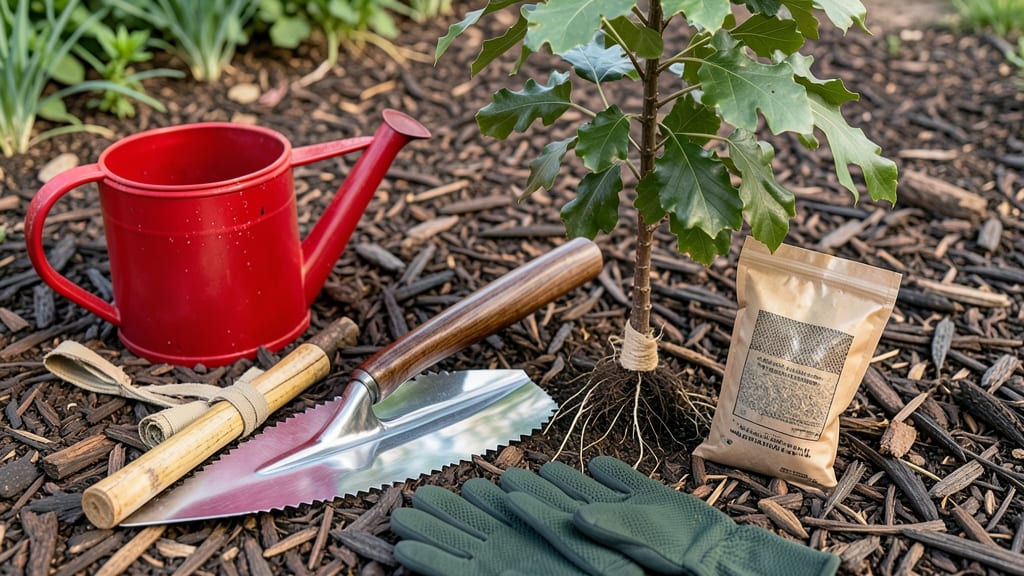
Planting a tree in Colorado at the wrong time can turn your hard work into a sad, frost-nipped sapling—not the thriving 🌳 you imagined.
The best time to plant a tree here isn’t just about spring; it’s about matching your elevation zone to Colorado’s unpredictable frost dates, where a Zone 5 Front Range and a Zone 8 Western Slope can differ by months.
If you’ve ever wondered why some trees struggle in Colorado while others shoot up like weeds, the answer lies in the frost-free window.
Late fall to early spring might sound counterintuitive, but it’s the secret weapon for root establishment before the heat of summer or the bite of early frost hits. I’ll show you exactly when to dig in—whether you’re in Denver’s urban sprawl or the high desert near Grand Junction.
Let’s cut through the guesswork. You’ll learn how to read Colorado’s microclimates, which tree species thrive in each zone, and the critical checks to make before your shovel hits the dirt.
No more waiting until it’s too late—just a clear, actionable plan to get your tree off to the best start possible.
From soil prep to post-planting care, I’ve got the insider tips to help your tree beat Colorado’s climate—so you can enjoy shade (and bragging rights) for decades to come. Ready to plant with confidence?
Colorado’s frost-free planting windows by elevation Zone
Colorado’s diverse elevation zones create wildly different frost-free windows for planting trees. At lower elevations like Denver (5,280 ft), you’ll have a 120-day growing season, while high-altitude areas like Leadville (10,152 ft) may only see 60 frost-free days.
Understanding these zones helps you pick the perfect planting window for your tree’s success.
Timing matters because planting too early exposes young roots to late-season frosts, while planting too late limits root establishment before winter. In Colorado, the ideal window is typically late April to early June for most regions, but this shifts dramatically with elevation.
Let’s break down the best months for each zone.
For the Front Range (Denver, Boulder, Fort Collins), aim to plant between mid-April and May. This window gives roots time to establish before summer heat or fall frosts.
Check your local USDA Zone 5-6 averages—Denver’s last frost typically lands around April 20, but urban areas can vary by 1-2 weeks.
In the Foothills (Estes Park, Evergreen), wait until May 1 or later. These areas experience rapid temperature swings—planting too early risks root freeze. Choose drought-tolerant species like ponderosa pine or Rocky Mountain juniper for these drier microclimates.
The Western Slope (Grand Junction, Durango) offers an earlier window due to milder winters. Plant bare-root trees in March or container-grown trees in April. Avoid planting near waterways, as spring flooding can damage young roots. Russian olive and cottonwood thrive here with minimal care.
High-altitude areas (10,000+ ft) like Vail or Leadville require patience. Wait until late May or June to plant, as snowmelt timing can delay work. Opt for alpine species like Engelmann spruce or subalpine fir, which handle short seasons and thin soils.
Microclimates complicate timing—south-facing slopes warm faster than north exposures. If you’re near urban heat islands (e.g., Denver’s downtown), plant 2 weeks earlier than rural areas. Always check local frost records from the National Weather Service for your specific neighborhood.
Pro tip: Container-grown trees can be planted 1-2 weeks later than bare-root varieties, as their roots are less frost-sensitive. Just ensure the root ball stays moist during transplant. For large trees (30+ ft), early spring planting gives roots time to knit before summer stress.
Remember, fall planting (September-October) is also viable in USDA Zone 6+ areas. Trees planted in fall establish roots before winter dormancy, giving them a head start in spring. Just avoid planting when soil temps drop below 40°F.
🌳
Best tree species for Colorado’s planting seasons
Colorado’s diverse elevation zones demand species-specific tree choices to thrive. For lowland areas (3,000–5,000 ft), drought-tolerant Ponderosa Pine and Eastern Red Cedar excel, while high-altitude zones (7,000+ ft) favor hardy Engelmann Spruce and Quaking Aspen.
Matching species to your microclimate and frost-free window ensures root establishment before winter stress.
Timing matters: Bare-root trees thrive when planted in late fall (September–October) or early spring (March–April) before bud break. Container-grown trees offer more flexibility but require consistent moisture during Colorado’s unpredictable spring rains. Elevation dictates your window—Front Range gardeners have until mid-April, while Western Slope planters should aim for March.
Here’s how to balance species resilience with seasonal planting for Colorado’s varied climates:
🌳 Best Tree Species by Elevation & Season
🌵 Lowland (3,000–5,000 ft)
🌲 Mid-Elevation (5,000–7,000 ft)
❄️ High-Elevation (7,000+ ft)
For Front Range yards (Denver area), prioritize Colorado Blue Spruce or Green Ash—both handle Zone 5–6 winters and dry summers. In Western Slope deserts (e.g., Grand Junction), **Desert