
Plants
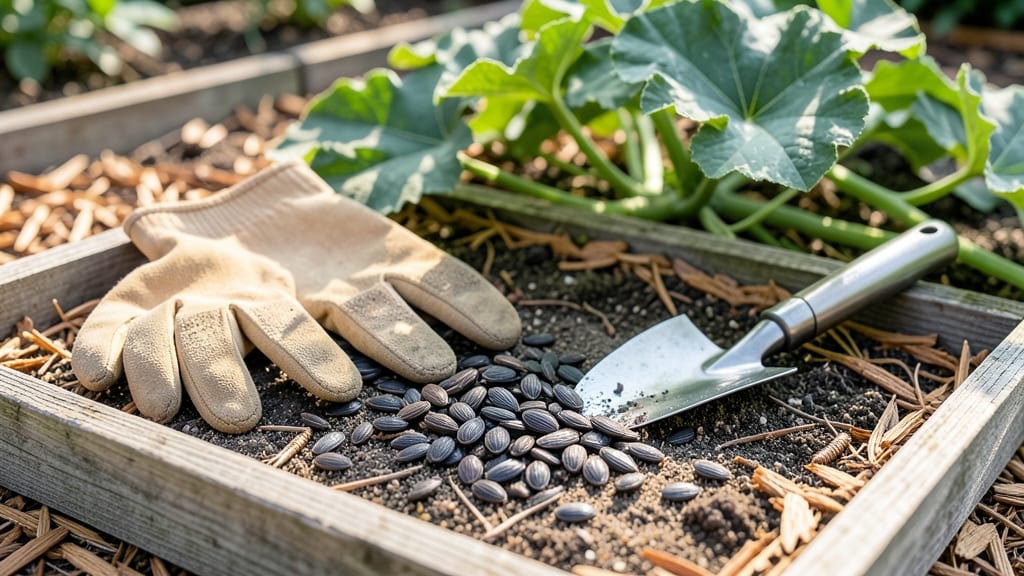
Planting watermelon seeds in California isn’t one-size-fits-all—coastal fog and desert heat create wildly different deadlines, and getting it wrong means frost or scorching before your 🌱 melons even sprout.
From the chilly coastal counties where last frost lingers into May to the inland valleys where soil warms by March, timing is the key to a bountiful harvest. Skip the guesswork and plant at the perfect moment for your microclimate, whether you’re sowing directly or starting seeds indoors.
I’ll break down the exact frost-free windows by county heat zones, plus pro tips for soil prep and seed depth that make all the difference. Ready to turn your backyard into a melon patch? Let’s get those seeds in the ground at the right time.
Whether you’re battling coastal chill or desert heat, these strategies will help you avoid the most common planting mistakes—and keep your melons thriving from summer to fall.
California’s frost-free deadlines by county heat zones for watermelon planting
Timing your watermelon seeds in California isn’t one-size-fits-all—your last frost date can shift by weeks between coastal San Francisco and the Imperial Valley. Watermelons thrive in USDA zones 5-11, but they need consistent warmth to germinate, making soil temperature (not air temperature) your true guide.
Plant too early in chilly zones, and your seeds rot; too late in hot zones, and you risk bolting before fruiting.
Most California gardeners wait until soil reaches 70°F (21°C) to plant watermelon seeds directly outdoors.
This typically aligns with your frost-free date, but coastal areas like Santa Cruz County may need to wait until late May or June, while desert regions like Riverside can start as early as mid-March.
Understanding your microclimate—whether you’re in foggy San Diego or sweltering Bakersfield—will determine your planting window.
Pro Tip: Use a soil thermometer to confirm readiness—watermelon seeds won’t sprout below 60°F (15°C), but 70°F+ ensures faster germination. If your soil isn’t warm enough by your county’s frost-free date, consider black plastic mulch or row covers to accelerate warming.
Here’s a county-by-county breakdown of California’s last frost dates and ideal watermelon planting windows, accounting for both coastal delays and inland heat. These ranges assume you’re planting directly outdoors—we’ll cover indoor starting in the next section.
| County | USDA Zone | Avg. Last Frost | Ideal Planting Window | Notes |
|---|---|---|---|---|
| Humboldt | 8b-9a | May 15 | June 1–15 | Coastal fog delays soil warming |
| Santa Cruz | 9b-10a | April 1 | May 15–June 1 | Use row covers for early starts |
| Los Angeles | 9b-10a | February 15 | March 15–April 15 | Inland areas plant earlier |
| San Bernardino | 7b-8a | March 1 | March 15–April 1 | Desert-adjacent; warm soil early |
| Imperial Valley | 10a-11 | January 1 (rare frost) | February 1–March 15 | Plant early to avoid summer heat stress |
| San Diego | 9b-10b | January 1 (coastal) | March 1–April 15 | Inland valleys plant 2 weeks earlier |
| Fresno | 8a-9a | February 15 | March 1–April 1 | Central Valley heat speeds germination |
Indoor seed starting vs. direct soil planting: best methods for CA watermelons
Deciding whether to start watermelon seeds indoors or plant them directly in California soil depends on your local heat zone and last frost dates. In cooler coastal areas like San Francisco (Zone 9-10), indoor starting gives seedlings a 3-week head start before transplanting.
Meanwhile, in desert regions like Palm Springs (Zone 11), direct soil planting works year-round since frost is never a threat.
Watermelons thrive when soil temperatures reach 70°F or warmer, making direct planting ideal in most of California after mid-April to early May. However, starting seeds indoors 6-8 weeks before your last frost date helps overcome slow germination in cooler soils.
For example, in Sacramento (Zone 9), indoor starts in February ensure healthy transplants by late spring.
| Method | Best For | When to Start | Soil Temp Requirement | Pros |
|---|---|---|---|---|
| Indoor Seed Starting | Coastal zones (Zones 9-10) | 6-8 weeks before last frost | 60-65°F (for germination) | Longer growing season, stronger seedlings |
| Direct Soil Planting | Inland/Desert (Zones 10-11) | After soil reaches 70°F | 70°F+ (optimal germination) | No transplant shock, faster growth |
For indoor seed starting, use biodegradable pots to avoid root disturbance. Place seeds ½ inch deep in a mix of 50% peat moss and 50% perlite for drainage.
Keep trays under grow lights (14-16 hours/day) until seedlings develop 2 true leaves. Harden off seedlings 7-10 days before transplanting to acclimate them to outdoor conditions.
When planting directly, wait until soil is warmer than 70°F—use a soil thermometer to confirm. In Southern California (Zone 10-11), you can plant as early as February, while Northern California (Zone 8-9) gardeners should wait until mid-May.
Space seeds 6 inches apart in hills, thinning to 2 plants per hill when seedlings are 4 inches tall.
If you’re in a transition zone like Los Angeles (Zone 10), consider a hybrid approach: start seeds indoors in February but delay transplanting until April when soil warms.
This balances early growth with frost-free conditions. Always mulch with straw or black plastic to retain heat and moisture, especially in cooler microclimates.
Remember, watermelons are heat-loving annuals that bolt in temperatures below 50°F. Whether you start indoors or direct-sow, prioritize warm soil and full sun exposure—these are non-negotiable for a successful harvest. With the right timing, you’ll enjoy ripe, juicy watermelons by summer’s end! 🌱☀️