
Vegetables
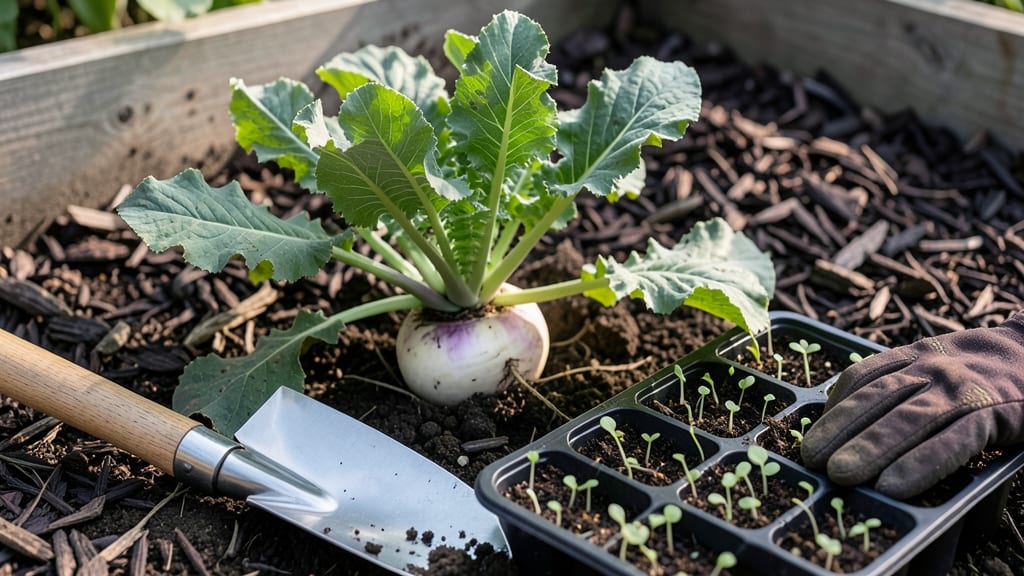
Planting turnips in the fall for that sweet, crisp harvest isn't just about timing—it's about catching the perfect window before frost sets in. If you wait too long, your 🥬 roots turn pithy, and if you start too early, they bolt before reaching their prime.
The key is getting them in the ground 6-8 weeks before your first frost, a sweet spot that ensures tender roots and vibrant greens.
For most gardeners in Zone 6a (like me!), that means late August to early September—just enough time for turnips to mature before temperatures dip. But here's the catch: regional frost dates vary, so I'll show you how to calculate your exact planting window using local data.
Whether you're in a backyard garden or a raised bed, this timing makes all the difference between a disappointing harvest and a bounty of flavorful roots.
Once you nail the timing, the next challenge is keeping those turnips thriving through fall's unpredictable weather. I'll share my go-to strategies for extending the season—like using row covers or staggered plantings—so you can enjoy fresh turnips long after your neighbors' gardens have frozen over.
Trust me, the right approach turns a seasonal crop into a reliable fall staple.
Ready to grow turnips that rival store-bought in taste and texture? Let's dive into the exact steps, from soil prep to frost protection, so you can confidently plant your fall crop and savor the rewards. No more guesswork—just a foolproof plan for garden success.
The ideal fall planting window for turnips: 6-8 weeks before first frost explained
Timing your fall turnip planting is the secret to harvesting sweet, crisp roots instead of bitter, pithy ones. The 6-8 week rule before your first frost date ensures turnips mature just as temperatures drop—perfect for storage or immediate use.
But this window shifts dramatically depending on where you garden, from USDA Zone 3 to Zone 10, and even between early varieties like 'Tokyo Cross' and late varieties like 'Purple Top White Globe'.
To nail your exact planting date, start by checking your local frost dates. Most gardeners rely on the National Weather Service or USDA Plant Hardiness Zone Map—but even within a zone, microclimates can shift your frost date by weeks.
For example, a Zone 5 gardener in the mountains might have a first frost in mid-October, while one in a valley could see frost as late as November. This means your ideal planting window could range from early August to late September.
Here’s the golden rule: Count backward 6-8 weeks from your average first frost date to determine your planting window. For fast-maturing varieties like 'Tokyo Cross' (ready in 30-40 days), aim for the shorter end (6 weeks).
For slower varieties like 'Purple Top White Globe' (ready in 50-60 days), lean toward 8 weeks. This ensures roots develop fully before frost sets in.
If you’re unsure about your local frost dates, turn to historical data. Many extension services (like your state’s land-grant university) publish 30-year averages.
For example, in Zone 6, the University of Maryland Extension reports an average first frost of October 15, so I’d plant my 'Purple Top White Globe' turnips around August 20 to ensure a harvest before frost.
Pro tip: Add a 10-day buffer if your fall has been unusually warm—late-season heat can trick turnips into bolting (flowering prematurely).
For container gardeners or those with limited space, focus on compact varieties like 'Hakurei' or 'Tokyo Cross'. These mature in 30-40 days, giving you flexibility to plant as late as September 1st in Zone 5 or even October 1st in Zone 7.
Just be prepared to harvest quickly before frost hits. In my raised beds, I’ve successfully grown turnips into November by using row covers to extend the season by 2-3 weeks.
One common mistake is assuming all turnip varieties have the same timeline. 'Tokyo Cross', for instance, is ready in 30 days, while 'Purple Top White Globe' takes 50-60 days. Planting the latter too late in the season risks woody roots or frost damage.
To avoid this, I always label my seeds and keep a planting journal to track maturity dates. For example, if I plant 'Tokyo Cross' on September 1st in Zone 6, I’ll harvest by October 1st—just before frost typically arrives.
Soil temperature also plays a critical role. Turnip seeds need soil temps between 40°F and 85°F to germinate, but ideal temps for fall planting are 50°F-70°F. If your soil is too warm (above 80°F), seeds may rot before sprouting.
To cool the soil, I’ve had success shading the bed with row fabric for a few days before planting or watering deeply to lower ground temperatures. In dry climates, like Zone 7b, I even plant turnips under drip irrigation
How to extend turnip harvests: succession planting and frost protection tips
Fall turnips thrive when you trick frost into working for you—not against you. The secret lies in succession planting and smart frost protection, which can stretch your harvest from a single batch to a steady supply for weeks.
I’ve learned that planting every 2-3 weeks after your initial batch creates a rolling harvest, while simple tools like row covers and cold frames can add 2-4 weeks to your season. Let’s break down the exact strategies that’ve worked in my garden.
Start by calculating your last frost date (check your USDA zone—Zone 5? Aim for mid-September plantings). Then, work backward: fast-maturing varieties like ‘Tokyo Cross’ (30-40 days) can handle later plantings, while slower growers like ‘Purple Top White Globe’ (50-60 days) need an earlier start.
My rule of thumb? Plant the first batch 6-8 weeks before frost, then follow with 2-3 more batches spaced 2 weeks apart.
Here’s how I extend harvests with practical, low-cost methods that actually work:
- 📅 Stagger plantings every 2 weeks after initial batch for continuous harvests.
- 🛡️ Use floating row covers to delay frost by 2-4 weeks—lightweight fabric lets sunlight through.
- 🏡 Build a cold frame (or use a DIY box with clear plastic) to add 3-5 weeks to your season.
- 🌡️ Insulate soil with straw mulch (4-6 inches) to protect roots from light frosts.
- 🌿 Harvest greens first (young leaves are tender) to extend root growth until hard frost.
Row covers are my go-to for easy frost protection. Simply drape lightweight fabric over plants and secure with bricks or stakes—this traps heat while allowing sunlight. For harder freezes (28°F or below), add a second layer or use a hoop tunnel with clear plastic.
I’ve seen turnips survive light frosts this way, though roots may get slightly sweeter (which I actually prefer!).
Cold frames are worth the investment if you’re serious about extending harvests. A simple DIY version uses wooden frames (or even repurposed windows) covered with clear plastic or glass.
Place them over your latest turnip batch—they can push harvests into December in many zones. Just remember to ventilate on warm days to prevent overheating.
Don’t overlook soil insulation—it’s free and effective. After your final harvest, spread 4-6 inches of straw mulch over the soil. This acts like a blanket, keeping roots 5-10°F warmer than ambient air.
Pair this with row covers, and you’ll squeeze out extra weeks of harvestable turnips. Pro tip: Add a thin layer of bubble wrap under mulch for even better insulation.
Finally, prioritize harvest timing. Turnips left in the ground too long become woody and pithy, so check roots every 5-7 days starting 30 days after planting. If frost is forecast, harvest greens first—young leaves are delicious in salads, and the roots will stay tender longer.
With these strategies, I’ve gone from one harvest to three batches over 8 weeks—no green thumb required, just smart planning.