
Plants
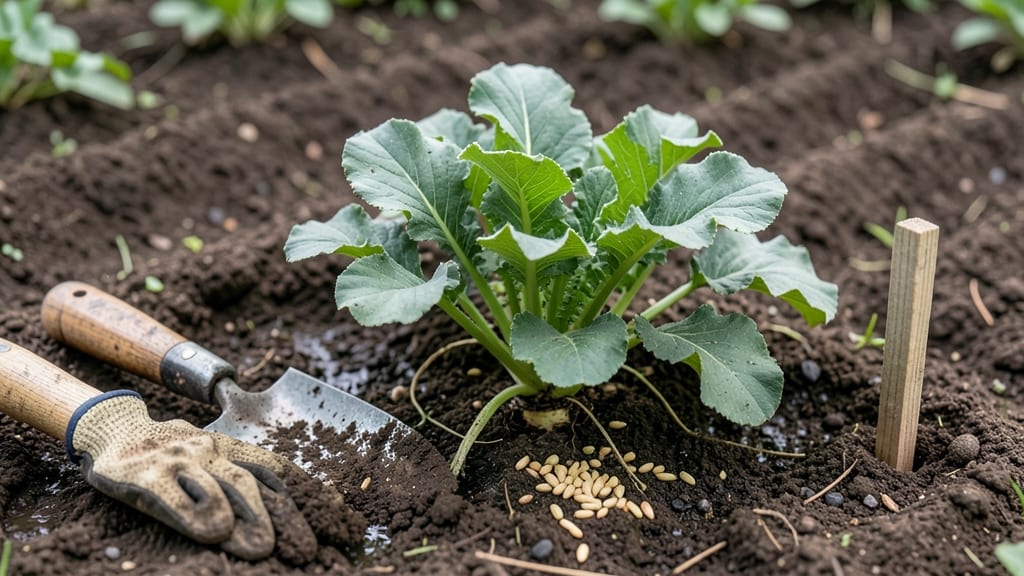
Planting turnips in Missouri doesn’t have to be a guessing game—getting the timing right means the difference between a fast, crisp harvest and bitter disappointment. With two ideal windows—spring and fall—you can enjoy fresh 🥬 all year, but Missouri’s 5b-6b climate demands precision.
Most gardeners in Missouri rush to plant turnips too early, only to watch them bolt in the heat. The secret? Start seeds 4-6 weeks before the last frost (around mid-March) for spring plantings, or 6-8 weeks before the first frost (late August) for fall.
This ensures roots mature before summer’s swelter or winter’s chill sets in.
Why bother with fall turnips? They often outperform spring crops in Missouri’s heat, giving you a second chance at harvest when summer’s stress fades. Plus, fall-planted turnips avoid cabbage worms and other spring pests, making them a smarter choice for busy gardeners.
Ready to grow turnips that thrive? I’ll walk you through the exact planting dates, soil prep tricks, and care tips tailored to Missouri’s zones—so you can enjoy homegrown 🥬 from May through November.
Missouri turnip planting calendar: best spring and fall dates by region
Missouri’s USDA zones 5b-6b create a unique challenge for turnip growers—cool springs and hot summers demand precise timing. Unlike heat-loving crops, turnips thrive in cool soil temperatures (45-75°F) and bolt when temperatures climb above 80°F.
That’s why I’ve broken down the ideal planting windows by region, including soil temperature thresholds and frost-free date calculations to maximize your harvest.
Turnips are cool-season crops that grow best when days are shorter and nights are cooler. In Missouri, this means two prime planting windows: early spring (March-April) and late summer to early fall (August-September).
The key is avoiding both late spring heat and early fall frost, which can ruin your crop before harvest. Let’s dive into the exact dates for Missouri’s most popular regions.
📅 Pro Tip: Use a soil thermometer to confirm temperatures before planting. Turnip seeds won’t germinate well in soil colder than 45°F or warmer than 80°F. If your soil is too cold, wait 1-2 weeks—patience pays off with faster germination and stronger plants.
For spring plantings, aim to sow seeds 4-6 weeks before your last frost date. In northern Missouri, this means starting as early as mid-March, while southern regions can wait until late March.
The goal is to ensure turnips mature before soil temperatures rise above 75°F, which triggers bolting. I’ve planted turnips in early April only to watch them bolt by May—don’t make that mistake!
Fall plantings are often more successful in Missouri because they avoid the summer heat that plagues spring crops. Seed turnips 6-8 weeks before your first frost date, typically between mid-August and early September.
This gives them enough time to grow before winter sets in. In my own garden, fall turnips often produce larger roots and sweeter greens than their spring counterparts.
Missouri’s frost-free days (165 days) create a tight window for turnips. If you miss the spring window, don’t despair—fall is your second chance. Just be prepared to harvest before hard frosts, which can damage tender turnip greens. In central Missouri, I’ve successfully grown turnips into <
Spring vs fall turnip planting: which season wins for Missouri gardens?
Missouri’s hot summers and unpredictable springs make turnip planting a strategic game. While both seasons work, fall plantings often outperform spring due to cooler soils and fewer pests.
The key difference? Spring turnips race against summer heat, while fall turnips mature before the first frost—giving you two harvest windows instead of one.
For spring plantings, aim to sow seeds 4-6 weeks before your last frost date (typically March 15-April 15 in Missouri). This gives roots time to grow before soil temperatures exceed 75°F, which causes bolting.
In contrast, fall plantings should start 6-8 weeks before the first frost (usually August 15-September 15), allowing a second harvest before winter sets in.
🌱 Spring Planting vs. 🍂 Fall Planting
- ✅ Early harvests (May-June)
- ✅ Fewer pests (early season)
- ❌ Heat stress risk if planted late
- ❌ Bolting likely if soil warms too fast
- ✅ Cooler soils (ideal for growth)
- ✅ Second harvest (Oct-Nov)
- ✅ Fewer weeds (competition reduced)
- ❌ Shorter daylight slows early growth
Soil preparation differs too. For spring turnips, work in compost-rich soil in early March to warm up quickly. Fall turnips, however, benefit from well-draining soil with added organic matter to prevent waterlogging as fall rains arrive.
Test your soil’s pH—turnips thrive in 6.0-7.0 range, and adjusting with lime or sulfur can make the difference between success and failure.
Pest pressure shifts between seasons. Spring plantings face fewer threats like cabbage worms and flea beetles, but fall turnips may attract root maggots if soil stays moist. Use row covers in spring and diatomaceous earth in fall to protect young plants.
Both seasons require consistent moisture, but fall turnips need slightly less water as temperatures drop.
Harvest timing is another critical factor. Spring turnips mature in 45-60 days, but summer heat can make them woody and pithy if left too long. Fall turnips, planted later, reach harvest just as days shorten—yielding sweeter, crisper roots before frost.
For both seasons, harvest when roots are 2-3 inches wide and greens are tender.
My top recommendation? Plant both seasons for continuous harvests. Start with fast-maturing varieties like ‘Purple Top White Globe’ in spring and ‘Tokyo Cross’ in fall. This dual approach maximizes your garden’s potential while minimizing risks tied to Missouri’s variable climate. 🌱