
Plants
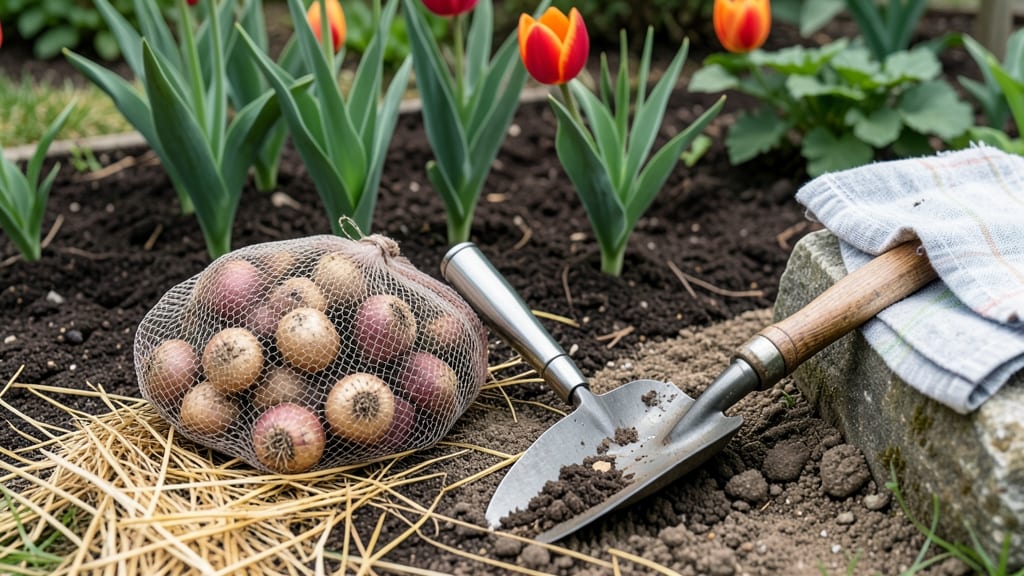
Planting tulips 🌷 in North Carolina at the wrong time can mean skipping spring’s show-stopping blooms entirely—but getting the timing right guarantees vibrant displays year after year.
The key isn’t just waiting for fall; it’s matching your tulip varieties to the state’s chill-hour zones, where 3,000 to 8,000 hours of winter cold determine success.
Most gardeners assume fall planting is the only option, but North Carolina’s diverse climate—from the Piedmont’s cooler winters to the Coastal Plain’s milder temperatures—means spring planting can work too for the right varieties.
I’ll break down the exact windows for each USDA zone, so you can avoid the common mistake of planting too early or too late.
What sets North Carolina apart is how chill-hour needs vary by region. A Darwin Hybrid thriving in Zone 7a’s crisp winters might flop in Zone 8b’s shorter cold snaps. You’ll learn which varieties match your local frost dates and how to prep soil for reliable blooms, even in warmer microclimates.
Ready to transform your garden into a tulip paradise? Let’s dive into the step-by-step timing and care tips that’ll have your bulbs bursting with color—without the guesswork.
North Carolina’s best tulip planting months by chill-hour Zone
North Carolina’s diverse climate zones—from the Coastal Plain to the Mountains—create unique challenges for growing tulips. Unlike colder regions, NC’s mild winters (often 3,000–8,000 chill hours) demand careful variety selection and precise planting timing.
Plant too early or late, and you risk premature sprouting or weak blooms. But get it right, and you’ll enjoy bold spring displays year after year.
The key to success lies in matching tulip varieties to your specific USDA Zone (7a–8b) and planting them during the optimal 6–8 week window before the first hard frost.
In warmer zones like 8a/8b, this might mean planting as late as December, while cooler 7a/7b areas benefit from earlier October–November planting. Let’s break down the best strategies for each zone.
| USDA Zone | Chill Hours | Ideal Planting Window | Best Varieties | Key Tip |
|---|---|---|---|---|
| 7a (Piedmont) | 4,500–5,500 hrs | October 15–November 15 | Darwin Hybrids, Fosteriana | Plant early to avoid winter sprouting. |
| 7b (Foothills) | 5,500–6,500 hrs | October 20–December 1 | Parrot Tulips, Fringed | Use mulch (4–6 inches) for insulation. |
| 8a (Coastal) | 3,000–4,000 hrs | November 15–December 15 | Species Tulips, Greigii | Avoid planting before November—risk of rot. |
| 8b (Southeast) | 2,500–3,500 hrs | December 1–January 15 | Late-blooming Darwin Hybrids | Plant deeper (8–10 inches) for stability. |
In Zone 7a (common in the Piedmont), tulips need 4,500–5,500 chill hours to bloom reliably. I recommend planting Darwin Hybrids or Fosteriana between mid-October and mid-November. These varieties tolerate slightly warmer winters better than others.
For Zone 7b (like Asheville), extend your window to late October through December 1st, focusing on Parrot Tulips for their bold, exotic blooms.
If you’re in Zone 8a or 8b (e.g., Raleigh or Wilmington), your chill hours drop below 4,000, making traditional tulips tricky. Instead, opt for species tulips like Greigii or late-blooming Darwins.
Plant these after November 15th to avoid premature sprouting from mild winters. I’ve found that deeper planting (8–10 inches) helps stabilize bulbs in loose, sandy Coastal Plain soils.
One common mistake I see is planting tulips too early in warmer zones. For example, Zone 8b gardeners who plant in October risk bulbs sprouting in winter—only to be fried by spring heat.
Always check your local frost dates (aim for 6–8 weeks before the first hard frost) and adjust accordingly. Pro tip: Use a soil thermometer—tulips thrive when soil temps hit 50–60°F.
Another critical factor is soil preparation. Tulips need well-draining soil to prevent rot, especially in clay-heavy Piedmont soils. Amend your beds with compost or sand before planting, and avoid over-fertilizing with nitrogen, which encourages leafy growth over blooms.
I mix in a balanced 10-10-10 fertilizer at planting time for steady nutrition without excess.
After planting, mulch heavily (4–6 inches) with straw or shredded leaves to insulate bulbs in Zone 7a/7b. In
Top 5 tulip varieties that thrive in North Carolina gardens
North Carolina’s mild winters demand cold-hardy tulip varieties that tolerate 3,000–8,000 chill hours without flopping. The right choices—like Darwin Hybrids and Fosteriana—ensure reliable blooms year after year. These varieties resist disease pressure common in NC’s humid springs and thrive in USDA Zones 7a–8b.
For maximum impact, focus on late-season bloomers like Parrot Tulips, which handle NC’s warm winters better than delicate species. Planting depth and spacing also matter—too shallow, and they’ll rot; too deep, and blooms struggle to reach sunlight.
Let’s dive into the top 5 varieties that guarantee vibrant spring displays in your garden.
🌷 Variety | Chill Hours | Planting Depth | Spacing | Bloom Time
Darwin Hybrids, like 'Red Emperor', are my go-to for NC gardens because they tolerate heat and rebloom reliably. Plant them 6–8 inches deep in well-draining soil to prevent rot. Their bold, cup-shaped blooms last weeks in vases, making them perfect for cutting gardens.
Fosteriana tulips, such as 'Orange Emperor', are early bloomers that thrive in cooler Piedmont regions. Their large, fiery flowers stand out against winter-bare branches. Dig a trench 8–10 inches deep—these bulbs need extra depth to anchor in NC’s light, sandy soils.
For dramatic foliage, try Parrot Tulips like 'Black Parrot'. Their feathered petals and ruffled edges make them conversation starters. Space them 8–10 inches apart to accommodate their wide, showy blooms. These varieties love full sun but appreciate afternoon shade in hot Coastal Plain zones.
If you want early color, Frans Hals and Greigii tulips are winners. Their striped or marbled petals add visual interest to spring borders. Plant them 6 inches deep and 4–6 inches apart—they multiply quickly, creating dense clusters over time.
Pro tip: Mulch heavily after planting to insulate bulbs during NC’s warm winters. Use 3–4 inches of pine straw or shredded leaves to retain moisture and prevent premature sprouting. With the right variety and care, your tulips will return year after year, blooming brighter each spring.