
Plants
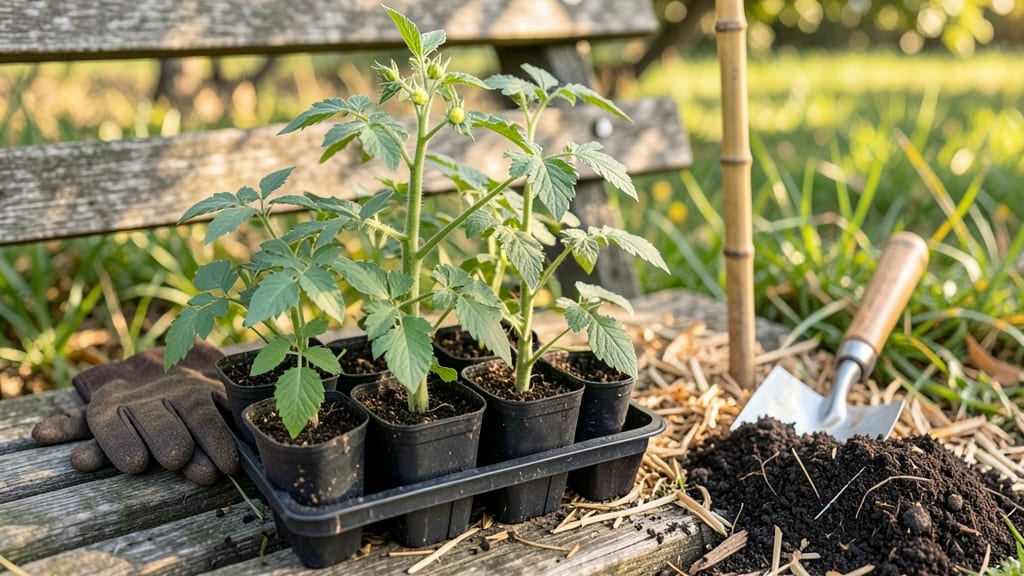
Washington state tomato planting dates by USDA hardiness zone
Washington State’s USDA hardiness zones 6-9 create wildly different tomato planting windows. In the Puget Sound region (zones 7b-8a), cool springs delay planting until mid-May, while the Columbia Basin (zones 7a-8b) can start as early as late April.
Eastern Washington’s dry heat allows earlier soil warming, but coastal areas risk late frosts well into May. Timing is everything—plant too soon, and frost will kill seedlings; too late, and your harvest shrinks before fall frost arrives.
Most Washington gardeners follow the frost-free date rule: wait until 2-3 weeks after the last frost to transplant seedlings outdoors. For cool-season varieties like 'Stupice' or 'Mountain Merit', start seeds indoors 8-10 weeks before your last frost.
Heat-loving varieties like 'Brandywine' or 'Sungold' need warmer soil (60°F+) and should go in after Memorial Day in most zones.
Here’s your regional planting timeline for Washington’s zones, including seed-starting dates and transplant windows to maximize your harvest:
| Region & Zone | Last Frost Date | Start Seeds Indoors | Transplant Outdoors | Notes |
|---|---|---|---|---|
| Puget Sound (7b-8a) | April 15–May 1 | March 1–March 15 | May 15–June 1 | Use row covers for early starts; risk of late frost. |
| Western WA (6b-7a) | April 30–May 10 | March 15–March 30 | May 20–June 1 | Cooler nights; choose cold-tolerant varieties. |
| Eastern WA (7a-8b) | April 1–April 15 | February 15–March 1 | April 15–May 1 | Warmer soil; can plant earlier with black plastic mulch. |
| Columbia Basin (8a-9a) | March 15–April 1 | January 15–February 1 | March 30–April 15 | Long growing season; succession plant for fall harvests. |
In zone 6b (Western WA), where frosts linger, I recommend staggering plantings every 2 weeks from late May to early June. This ensures a steady harvest before the first frost in October.
For zone 9a (Columbia Basin), you can even squeeze in a fall planting of fast-maturing varieties like 'Early Girl' in July for an early October harvest.
Soil temperature is critical—tomatoes won’t thrive until it hits 60°F. Use a soil thermometer to check, especially in cooler zones. If your soil is below 55°F, delay planting or use black plastic mulch to warm it faster.
I’ve seen 3-4 week differences in soil warming between bare ground and mulched beds in Eastern WA.
For Puget Sound gardeners, late May is your sweet spot for transplanting. But if you’re in Spokane or Wenatchee, you can plant 4-6 weeks earlier.
The key is monitoring local frost forecasts—the NOAA’s Western Region Climate Center provides real-time frost alerts that save my plants every year.
Don’t forget succession planting! In zone 8a+, plant cherry tomatoes every 2 weeks from April through June for a continuous harvest. I’ve had 6 weeks of non-stop cherry tomatoes using this method in my Columbia Basin garden.
For larger varieties, space plantings 3 weeks apart to avoid overripe fruit all at once.
If you’re <
Best tomato varieties for Washington’s climate and their planting adjustments
Washington’s microclimates demand smart tomato variety choices. In cooler coastal zones like the Puget Sound, cold-hardy cherry tomatoes like 'Sweet Million' thrive, while heat-tolerant beefsteaks such as 'Brandywine' excel in hotter inland areas like Yakima.
Your planting timeline must match the variety’s needs—early starts for cool zones, later for hotter regions.
For Puget Sound’s shorter growing season, opt for determinate varieties like 'Roma' (60-day harvest) that ripen quickly.
In Eastern WA’s longer summers, indeterminate giants like 'Sungold' (85 days) stretch harvests until fall. Heirlooms need extra care in WA’s unpredictable weather, while hybrids offer disease resistance for wetter zones.
Adjust planting times based on your variety: Start cherry tomatoes indoors in March for early Puget Sound harvests, but delay beefsteak starts until April in Yakima to avoid heat stress. Transplant outdoors only after soil hits 60°F—typically mid-May in Western WA and late April in Eastern WA.
🌱 Planting Adjustments for WA Tomato Varieties
🌿 Coastal Zones (USDA 7-8)
- ✅ Pros: Earlier starts possible, shorter season
- ✅ Pros: Cold-tolerant varieties like 'Stupice' (45 days)
- ❌ Cons: Higher disease risk from rain
- ❌ Cons: Limited heat-tolerant options
☀️ Inland Zones (USDA 6-7)
- ✅ Pros: Longer growing season for large varieties
- ✅ Pros: Heat-tolerant hybrids like 'Heatmaster'
- ❌ Cons: Late spring frosts possible
- ❌ Cons: Summer heat can stress plants
🌡️ Adjustments for All Zones
- ✅ Do: Use row covers for early starts
- ✅ Do: Plant heat-tolerant varieties late
- ❌ Don't: Plant frost-sensitive types too early
- ❌ Don't: Overcrowd in hot microclimates
In Western WA’s marine climate, early-maturing heirlooms like 'Black Krim' (70 days) avoid fall frosts. For Eastern WA’s dry heat, drought-resistant hybrids such as 'Mountain Merit' (75 days) thrive with less watering. Succession planting every 2 weeks ensures continuous harvests—critical in WA’s variable climate.
Pro tip: Adjust transplant dates by 2-3 weeks based on weather forecasts. If spring stays cool, delay planting heat-loving varieties until June to prevent blossom drop. Conversely, cooler varieties can go in as early as April with row covers for frost protection.
Washington’s diverse tomato needs mean no one-size-fits-all solution. Cherry tomatoes for quick coastal harvests, beefsteaks for inland summers, and heirlooms for flavor—pair each with localized planting adjustments. With the right variety-climate match, you’ll enjoy homegrown tomatoes from June to October.