
Plants
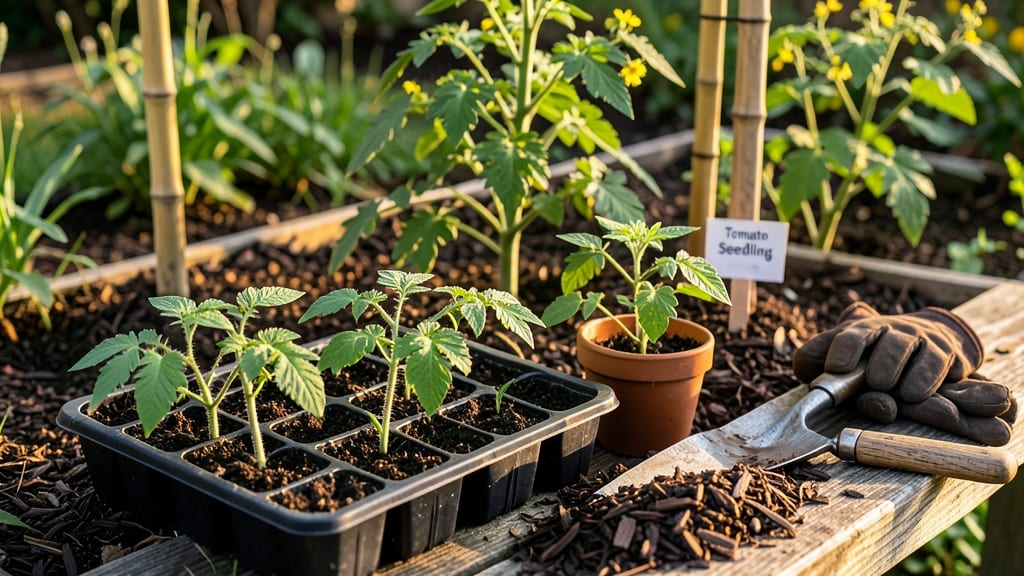
Planting tomatoes in Missouri feels like a high-stakes game of timing—get it wrong, and frost or scorching heat ruins your harvest. The perfect window isn’t just about dates; it’s about soil warmth, county-specific frost risks, and whether you’re transplanting seedlings or sowing seeds directly.
In zones 5b-6a, waiting until after April 15 (or later in colder pockets) ensures your 🍅 thrive, not just survive.
Here’s the catch: St. Louis gardeners can often start by early May, while rural areas near the Ozarks might need to wait until late May. The key? Soil temperature—tomatoes need 55°F+ to root properly, and Missouri’s unpredictable springs make guessing a recipe for disaster.
I’ll break down the exact deadlines by county, so you can avoid the heartbreak of wilted seedlings or stunted plants.
You’ll also discover how to hack your planting schedule with row covers, cold frames, and heat-tolerant varieties like ‘Heatmaster’—critical tools for Missouri’s shifting climate. Whether you’re a first-timer or a veteran gardener, these science-backed strategies will help you stretch your harvest from June all the way to October.
Ready to grow tomatoes that rival the ones at the farmers’ market? Let’s dive into the county-by-county guide that’ll turn your Missouri garden into a 🍅 powerhouse—no more second-guessing, just bumper crops.
Missouri’s frost-free deadlines by county: when to plant tomatoes for maximum yields
Timing your tomato planting in Missouri isn’t one-size-fits-all. The state spans USDA Zones 5b-7a, meaning your last frost date could vary by 3+ weeks depending on where you live. Plant too early in northern counties like St. Louis County, and a late frost will kill your seedlings.
Wait too long in southern regions like Cape Girardeau, and your harvest arrives after summer’s heat. Let’s break down the exact planting windows by county to ensure your tomato plants thrive.
Missouri’s University of Missouri Extension and Missouri State Climatologist track frost data annually, but these average last frost dates give you a reliable starting point. For maximum yields, aim to transplant seedlings 1-2 weeks after your county’s average last frost date, once soil temperatures hit 55°F+.
In colder zones, use row covers or cold frames to extend your season. Here’s your county-by-county guide:
⚠️ CRITICAL NOTE: These dates are averages. Check your local Extension office or Missouri Climate Center for updates, as microclimates (like urban heat islands) can shift your planting window by 7-10 days. For example, Kansas City’s downtown often warms up 5°F faster than rural Wyandotte County.
How to adjust planting dates for Missouri’s microclimates: heat zones, soil, and variety tips
Missouri’s diverse landscapes—from the urban heat islands of St. Louis to the cooler Ozark highlands—create wildly different tomato-growing conditions. What works in Kansas City (Zone 6a) may fail in Sedalia (Zone 5b), and river valleys like the Missouri River can add extra heat.
Adjusting your planting dates based on these microclimates ensures your tomatoes thrive, not just survive.
Start by identifying your local heat zone. Urban areas like St. Louis often experience 5–10°F warmer soils than rural zones, while highland areas like the Ozarks may need earlier starts.
Use these soil warming tricks to fine-tune your schedule: black plastic mulch, row covers, or even a cold frame to jumpstart growth in cooler spots.
- 🌡️ Urban Heat Islands (St. Louis, KC): Plant transplants by April 20–May 1—soil warms faster here. Use heat-tolerant varieties like ‘Heatmaster’ or ‘Solar Fire’.
- 🌿 River Valleys (Missouri River): Start seeds indoors by March 15 for earlier harvests. Soil warms 2–3 weeks faster near water.
- ⛰️ Ozark Highlands: Delay until May 1–15—cooler soils and shorter seasons. Choose early-maturing types like ‘Early Girl’ (60 days).
- 🌱 Succession Planting: For northern Missouri, sow new seeds every 2 weeks from May–June to extend harvests past first frost.
- ☀️ Soil Temp Check: Wait until soil hits 60°F+ (use a soil thermometer). Cold soil = stunted growth.
For St. Louis gardeners, the city’s concrete jungle traps heat, so focus on disease-resistant varieties like ‘Mountain Merit’ (resists crack and blight). In the Ozarks, prioritize determinate types (bush varieties) for shorter seasons—they mature faster than indeterminate vines, which need more time to produce.
If you’re in a river valley, take advantage of the extended growing season. The Missouri River moderates temperatures, allowing you to plant 2–3 weeks earlier than surrounding areas. Use this to your advantage by starting transplants indoors by March 1 and hardening them off for a head start.
For succession planting, especially in northern Missouri, stagger your plantings every 10–14 days from late April through June. This ensures a continuous harvest until frost. Choose a mix of early (60-day), mid (75-day), and late (90-day) varieties to cover all bases.
Pro tip: Use row covers in early spring to warm soil and protect seedlings from late frosts. Remove them once nighttime temps stay above 50°F to prevent overheating. Pair this with drip irrigation to keep roots cool in urban heat zones—tomatoes hate soggy feet but need consistent moisture.