
Plants
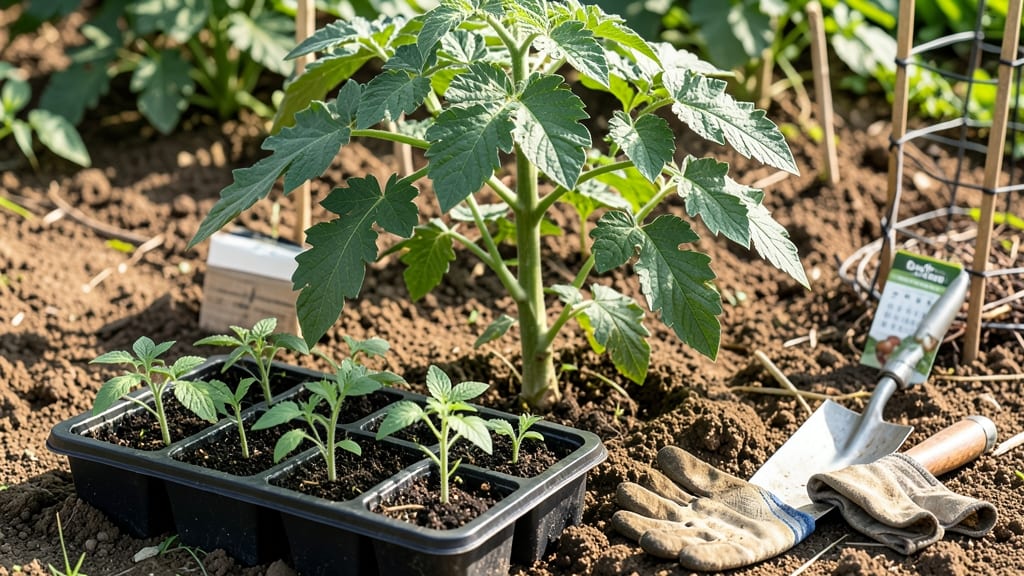
Planting tomatoes in Indiana at the wrong time can mean the difference between a bountiful harvest and a sad pile of wilted seedlings. The 6a zone brings its own challenges, with unpredictable spring weather that makes timing everything.
For most gardeners, the April 15 to May 15 window is your golden opportunity—after the last frost has passed and soil temperatures hit that sweet spot of 60°F.
But here's the catch: Northern Indiana might need a few extra weeks of patience compared to the southern part of the state.
You'll want to choose varieties that match your region's heat needs, whether that's early maturing 🍅 types for cooler climates or heat-tolerant hybrids that thrive in Indiana's summer warmth. The right timing plus the right variety equals a harvest that stretches from June all the way through October.
Let's break down exactly when to plant where in Indiana, which varieties perform best, and how to protect your plants from late frosts so you can enjoy fresh tomatoes all season long.
Indiana’s last-frost dates by region: when to plant tomatoes safely
Indiana’s last frost dates vary dramatically between its northern and southern regions, making tomato planting timing a critical factor for success. In USDA Zone 5 (northern Indiana), late frosts can linger until May 15, while Zone 6 (southern Indiana) typically sees its last frost by April 20.
These differences mean your tomato transplant window could shift by weeks—planting too early risks frost damage, while waiting too long cuts your harvest season short.
To avoid these pitfalls, I rely on Purdue University’s Frost Tracker, a free tool that provides historical frost data and real-time alerts. This resource helps me adjust my planting schedule based on local microclimates—like urban heat islands or lake-effect cooling near Michigan.
For example, Gary in Lake County often warms faster than South Bend in St. Joseph County, creating a 10-day difference in safe transplant dates.
Here’s the breakdown you need to plant tomatoes safely across Indiana’s key regions, including ideal transplant windows and soil temperature requirements to ensure strong root development:
For northern Indiana gardeners, I recommend starting tomato seeds indoors by March 1 to give seedlings a head start. Harden them off by April 15 and keep them under row covers until the May 15 safe transplant window opens.
In southern Indiana, you can plant directly outdoors as early as April 15 if using heat-tolerant varieties like ‘Celebrity’ or ‘Better Boy.’
Pro tip: Use a soil thermometer to confirm soil temperatures meet the minimum 50–60°F threshold before transplanting. Cold soil slows root growth and increases blossom end rot risk. I’ve found that black plastic mulch raises soil temps by 5–10°F in just days, creating a warmer microclimate for sensitive tomato roots.
Don’t rely solely on calendar dates—Purdue’s Frost Tracker updates daily with 30-day forecasts and historical trends. For example, in 2023, a late frost in May delayed harvests by 2–3 weeks in Zone 5.
By checking the tool weekly, you’ll know if your tomato plants need extra protection or if it’s safe to transplant early varieties.
If you’re in Zone 5 and eager for an earlier harvest, consider succession planting every 2 weeks from May 1–June 1. This staggered approach ensures a continuous harvest through October, even if early plantings face late-season heat stress.
Pair this with dwarf varieties like ‘Tiny Tim’ for containers or indeterminate types like ‘Sungold’ for trellising.
Remember: Tomatoes thrive on warmth, but Indiana’s unpredictable springs demand flexibility. By aligning your planting with local frost data and soil conditions, you’ll turn Indiana’s short growing season into a bountiful tomato harvest.
Start with the comparison table above, then fine-tune your schedule using Purdue’s Frost Tracker—your future heirloom tomatoes will thank you.
Tomato varieties for Indiana’s climate: heat needs and planting timing
Indiana’s short growing season and variable heat demand smart tomato variety choices. Fast-maturing types like ‘Early Girl’ (55 days) thrive in Northern Indiana, while heat-tolerant ‘Celebrity’ (70 days) performs better in Southern Indiana’s hotter summers.
Your planting window shifts based on these traits—get it wrong, and you’ll miss the harvest window entirely.
Northern Indiana’s cooler summers (USDA Zone 5) favor early-maturing varieties that ripen before October’s first frost. Southern Indiana (Zone 6) can handle heat-tolerant hybrids, but even there, late-season heat waves can stress plants. The key? Match your tomato type to your microclimate and planting date.
Here’s how Indiana’s regional heat needs translate to planting timing:
For Northern Indiana, prioritize disease-resistant varieties like ‘Mountain Merit’, which handles cool nights and humidity better than standard types. In Southern Indiana, ‘Heatmaster’ resists blossom drop during heat waves—a common issue when temps hit 90°F+.
Pro tip: Succession plant heat-tolerant varieties every 2 weeks in May to stretch your harvest.
Your planting date also depends on whether you’re starting seeds indoors (4-6 weeks before last frost) or buying transplants (ready to plant 2-3 weeks after last frost). Indoor starts give you a 2-week head start, but transplants are easier for beginners.
For container gardening, choose determinate varieties like ‘Tiny Tim’ (55 days), which thrive in 5-gallon pots.
Don’t overlook soil warmth—tomatoes need 60°F+ soil to germinate. Use black plastic mulch to speed up warming, especially in Northern Indiana.
Pair your variety choice with proper spacing: indeterminate types (like ‘Solar Fire’) need 18-24 inches apart, while determinate types (like ‘Celebrity’) can grow 12-18 inches apart.
With the right variety and timing, Indiana gardeners can enjoy tomatoes from July to October. Start with 1-2 varieties that match your region and heat tolerance, then expand next season. Happy planting! 🌱