
Plants
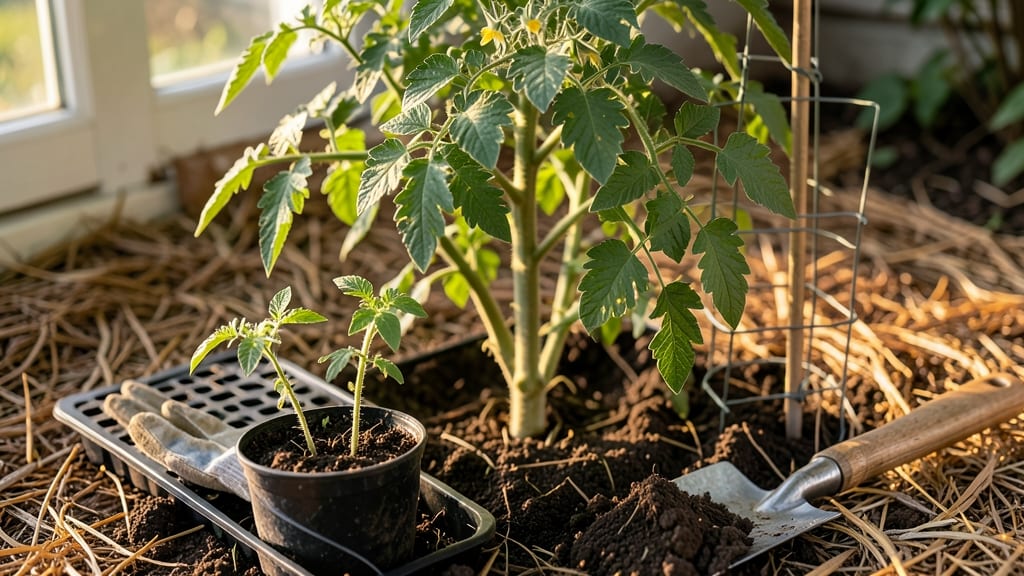
If you're dreaming of juicy, homegrown 🍅 tomatoes but don't want your plants to meet an untimely frost fate, timing is the game-changer—especially in Alabama's varied climate zones. Planting too early risks chilly soil and stunted growth, while waiting too late cuts your harvest short.
The key lies in understanding your specific heat zone, which can shift your ideal window by weeks between North and South Alabama.
For most gardeners in 7b-8b zones, the sweet spot arrives between mid-March and early May, once soil temperatures hit a steady 60°F.
But here's the catch: North Alabama's cooler pockets may need to wait until late April, while South Alabama gardeners can often start as early as February in protected beds. The difference? A 20°F swing in nighttime lows that determines whether your seedlings thrive or shrivel.
I've learned the hard way that rushing the process—whether by planting too soon or skipping soil prep—leads to weak vines and disease-prone plants. The solution? Start seeds indoors 6-8 weeks before your last frost date, then harden them off before transplanting.
This method gives you a head start and ensures your 🍅 plants hit the ground running when conditions are perfect.
What you'll discover in this guide are the exact frost-free timelines for Alabama's eight heat zones, plus pro tips for soil warming, disease prevention, and companion planting. Let's turn your tomato dreams into a bountiful harvest—without any frost-related surprises along the way.
Alabama’s frost-free planting windows by heat zone (map included)
Alabama’s diverse climate means your tomato planting timeline depends heavily on your USDA heat zone, which ranges from 6A (coolest) to 8B (warmest). In northern zones like 6A-7A, frost lingers until mid-April, while southern zones like 8A-8B can start planting as early as late February.
Understanding these windows ensures your seedlings avoid frost damage while maximizing your harvest season.
For all zones, the golden rule is to plant tomatoes after soil temperatures reach 60°F (15°C) and the average nighttime temperature stays above 50°F (10°C). Use a soil thermometer to check—cold soil stunts root growth, even if air temperatures seem warm.
In Alabama’s humid climate, warm soil also helps prevent damping-off disease in young seedlings.
Here’s how to use this guide: First, locate your heat zone using the USDA Plant Hardiness Map (linked below). Then, match your zone to the planting windows for both transplanting seedlings and direct sowing.
Southern zones can start earlier, but even in 8B, avoid planting too soon—heat stress in seedlings is just as harmful as frost.
| Heat Zone | Last Frost Date | Soil Temp for Planting | Transplant Window | Direct Sow Window | Key Tip |
|---|---|---|---|---|---|
| 6A (North AL) | Mid-April | 60°F+ | April 15–May 1 | May 1–15 | Use row covers for extra protection. |
| 6B (North-Central AL) | Early April | 60°F+ | April 1–April 15 | April 20–May 1 | Start seeds indoors 6–8 weeks before transplanting. |
| 7A (Central AL) | Late March | 60°F+ | March 25–April 10 | April 10–20 | Use black plastic mulch to warm soil faster. |
| 7B (Central-South AL) | Early March | 60°F+ | March 15–March 30 | March 20–April 5 | Direct sow early varieties like 'Celebrity' for faster harvests. |
| 8A (South AL) | Late February | 60°F+ | February 25–March 15 | March 1–March 15 | Plant heat-tolerant varieties like 'Solar Fire' for summer production. |
| 8B (Southwest AL) | Early February | 60°F+ | February 15–February 28 | February 20–March 5 | Succession plant every 2 weeks for continuous harvests. |
In 6A and 6B zones, the risk of late frost extends into April, so I recommend hardening off seedlings for 2 weeks before transplanting. Use row covers or cold frames to extend your season if frost threatens.
For 7A and 7B, you can start planting as early as late March, but monitor weather forecasts—unpredictable cold snaps still occur.
For 8A and 8B zones, the real challenge isn’t frost but heat stress. Plant heat-tolerant varieties like 'Heatmaster' or 'Solar Fire' and use shade cloth during peak summer months to protect blossoms.
In these zones, you can even plant a fall crop of tomatoes in late July or August for a harvest before the first frost.
Whether you’re transplanting seedlings or direct sowing seeds, timing is critical. Seedlings need to establish roots before extreme heat arrives, while direct-sown seeds benefit from warm soil to germinate quickly.
In 7B and warmer zones, I often direct sow seeds in late winter for an earlier harvest, but in 6A, it’s safer to start seeds indoors in February and transplant after the last frost.
Pro tip: Use black plastic mulch to raise soil temperatures by 5–10
Tomato varieties that thrive in Alabama’s heat and humidity
Alabama’s sweltering summers and high humidity demand tomato varieties that can handle both heat stress and fungal diseases like early blight and fusarium wilt. The right heat-tolerant and disease-resistant varieties will give you a bountiful harvest even when temperatures soar above 90°F.
I’ve grown these top performers in my own North Alabama garden, and they consistently deliver.
For fast-maturing varieties, look for determinate types that ripen quickly—ideal for Alabama’s short growing season in cooler zones. Indeterminate varieties, while more productive, need extra care to protect them from heat and pests.
My cherry tomato plants, like Solar Fire, thrive in the heat and produce fruit all season long, while my beefsteak varieties need afternoon shade to prevent sunscald.
Top Tomato Varieties for Alabama
- Celebrity – Determinate, disease-resistant, and early-maturing (65 days). Perfect for North Alabama and containers.
- Solar Fire – Heat-tolerant cherry (55 days) with red-orange fruit. Thrives in full sun and high humidity.
- Arkansas Traveler – Heirloom beefsteak (80 days) with excellent disease resistance. Needs afternoon shade in South Alabama.
- Mountain Merit – Hybrid slicer (70 days) with blight resistance. Ideal for home gardens and market sales.
- Black Krim – Heirloom purple (85 days) for flavor lovers. Needs well-draining soil to avoid blossom end rot.
If you’re growing heirloom varieties, prioritize disease-resistant types like Cherokee Purple or Brandywine, but be prepared for shorter harvests in Zone 8B. For cherry tomatoes, Sweet Million and Sun Gold are my go-tos—they produce prolifically even in 100°F+ heat if kept well-watered.
Always stake or cage your indeterminate varieties to prevent fruit rot from touching the ground.
For beefsteak tomatoes, Big Beef is a hybrid powerhouse that resists cracking and early blight. Plant it in raised beds with mulch to keep roots cool.
If you’re experimenting with unusual varieties, try Green Zebra—its striped fruit adds visual appeal, and it handles Alabama’s heat better than most heirlooms.
Pro tip: Succession plant your tomatoes every 2 weeks from April to June to extend your harvest. This works especially well for cherry varieties, which can produce until first frost if given proper care. Always rotate crops yearly to prevent soil-borne diseases from building up.
No matter which variety you choose, prune suckers regularly to improve airflow and reduce humidity stress on the plant. My cherry tomato vines stay bushier and produce more when I prune aggressively—just avoid over-pruning heirlooms, as they need more foliage for shade.