
Plants
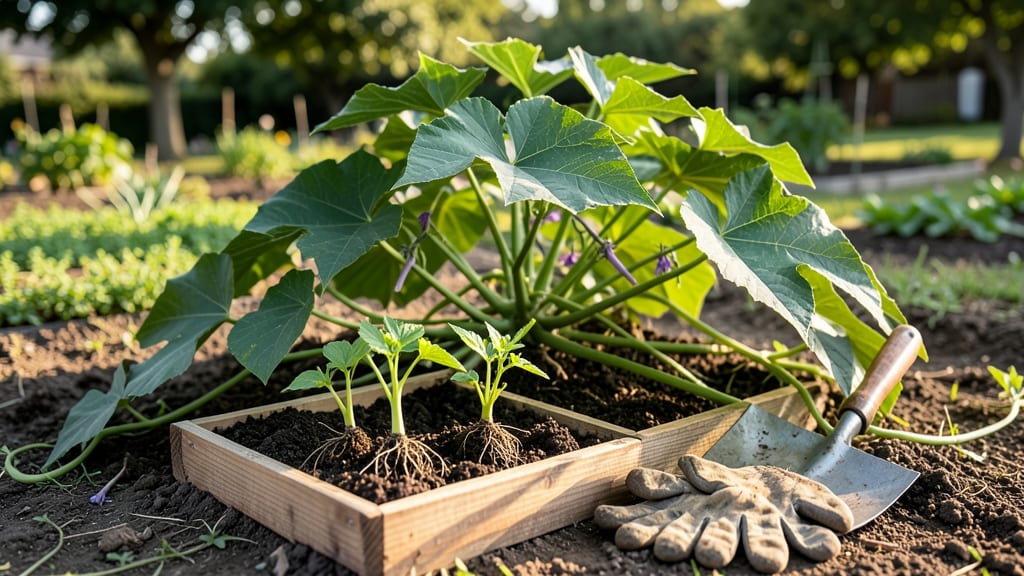
Planting sweet potatoes in Alabama at the wrong time can turn your garden dreams into a disappointing flop—especially when those 🍠 tubers need warmth to thrive.
The secret to a bumper crop lies in waiting until the soil warms up and the last frost has vanished, typically between mid-April and early June.
Why does timing matter so much? Because sweet potatoes are finicky about cold soil—they won’t germinate well if planted too early, and late plantings risk a shorter growing season.
In Alabama’s 7b-8b zones, where summers stretch long and hot, getting this right means the difference between store-bought blandness and homegrown sweetness.
I’ve grown these heat-loving tubers for years, and what I’ve learned will help you avoid common mistakes. From preparing the perfect soil to choosing the right slips, we’ll cover everything you need to know to plant at the perfect moment for maximum yield.
Ready to dig in? Let’s break down the ideal planting window, soil prep, and care tips so you can enjoy a harvest from September to November—just like the pros do.
Best planting windows for sweet potatoes in Alabama’s climate zones
Alabama’s diverse climate zones—from the cooler North (like Huntsville) to the warmer South (like Mobile)—create distinct planting windows for sweet potatoes. These tubers hate frost and need warm soil to germinate, so timing is critical.
In USDA Zones 7b-8b, your ideal window spans from mid-April to early June, but regional differences matter.
Northern Alabama (Zones 7b) has a longer frost risk, with average last frost dates around March 15. Wait until after May 1 to plant slips, ensuring soil temps stay above 65°F.
Southern Alabama (Zones 8a-8b) can plant as early as late March, thanks to milder winters and earlier soil warming.
🌱
For Northern Alabama, focus on May planting to avoid late frosts. Use black plastic mulch to warm soil faster if needed. In Southern Alabama, you can start as early as late February for a longer growing season, but avoid planting before soil reaches 60°F—slips will rot.
Check your local Alabama Extension office for precise frost data, as microclimates vary. For example, Mountain City (Zone 7a) should wait until May 15, while Gulf Shores (Zone 8b) can plant by February 28. Always plant slips—not seeds—since they establish faster in Alabama’s short growing season.
🌡️
Soil temperature is more critical than air temperature. Use a soil thermometer to confirm 65°F+ at 4-inch depth before planting. If your soil runs cold (common in Alabama’s clay-heavy soils), amend with compost or aged manure 2-3 weeks before planting to improve warmth retention.
Pro tip: In Central Alabama, aim for April 15 planting. This gives you a 110-day growing season (ideal for most varieties) before first frost (around November 15). Late plantings after June 1 risk smaller tubers due to reduced daylight.
📅
Adjust for unpredictable Alabama weather. If a late frost hits in April, cover slips with row covers or wait 2 more weeks. Conversely, if a heatwave arrives early, mulch heavily to prevent soil from drying out.
Varieties like Beauregard (fast-maturing) work well for late June plantings, while Georgia Jet thrives in early spring conditions.
🌱
How to prepare Alabama soil and slips for maximum yield
Alabama’s sandy loam and clay-heavy soils can be tricky for sweet potatoes, but with the right amendments, you’ll create the perfect environment for high-yielding tubers. The key is balancing drainage and moisture retention—especially during our hot, humid summers—while ensuring your slips have the energy to establish strong roots.
Start by testing your soil pH, which should ideally range between 5.8 and 6.5. Alabama’s native soils often lean acidic, so you may need to add lime or wood ash to raise the pH slightly.
This small adjustment prevents nutrient lockout and encourages root development, giving your sweet potatoes the best start possible.
For soil amendments, mix in 3-4 inches of compost or well-rotted manure into the top 12 inches of soil. Alabama’s clay soils benefit from sand or perlite to improve drainage, while sandy soils need organic matter like peat moss to hold moisture.
Work these amendments into the soil at least 2 weeks before planting to let them break down.
When selecting slips, choose 4-6 inch cuttings with at least 2-3 nodes (the bumps where roots and leaves grow). Store-bought slips are convenient, but home-grown slips from certified disease-free seed potatoes often yield better.
Soak slips in water for 24 hours before planting to encourage root growth—this simple step boosts establishment by up to 30%.
Plant slips 12-18 inches apart in rows spaced 3-4 feet apart to allow for vine spread. In Alabama’s heat, mulch heavily with straw or pine needles to retain moisture and suppress weeds.
Replenish mulch every 4-6 weeks during peak summer to maintain soil moisture, especially in sandy soils that dry out quickly.
After planting, water deeply to settle the soil and keep it consistently moist but never soggy. Alabama’s summer downpours can leach nutrients, so supplement with a balanced fertilizer (10-10-10) every 4-6 weeks during the growing season. Avoid over-fertilizing—too much nitrogen leads to leafy vines but small tubers.