
Flowers
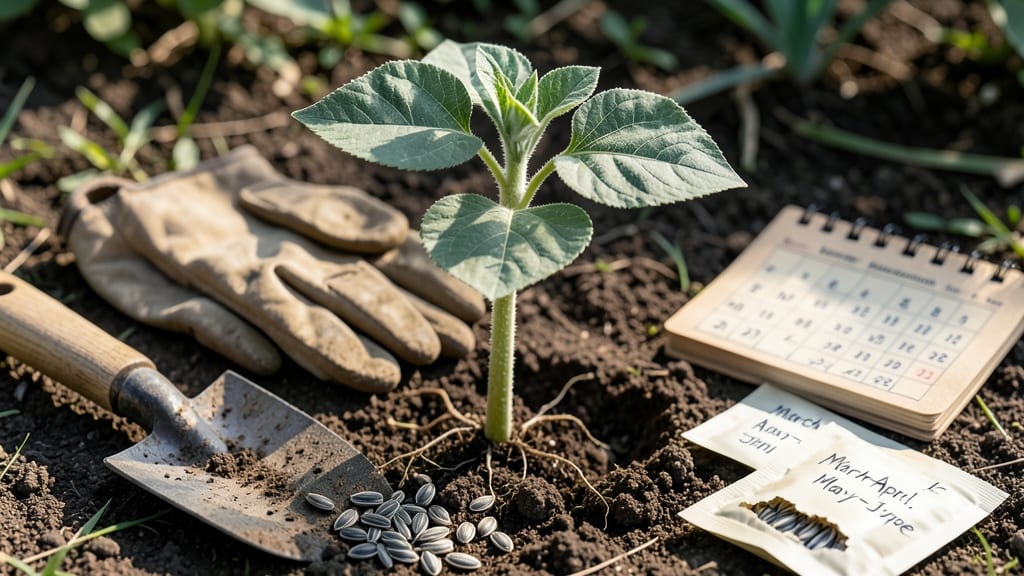
Planting sunflowers in Oklahoma at the wrong time can mean the difference between a towering 🌻 garden and a sad, wilted disappointment—especially when temperatures swing from icy mornings to scorching afternoons.
The key isn’t just waiting for spring; it’s understanding your specific heat zone and frost dates to give those seeds the best shot at survival.
In Oklahoma’s 6b-8a zones, the ideal window stretches from mid-April in the southern regions to early June in the north, right after the last frost (typically around March 15). But here’s the catch: soil temperature matters just as much as calendar dates.
If you plant too early, seedlings will languish in cold ground, while waiting too long risks stunted growth before summer’s peak.
Direct-sowing is the easiest method for Oklahoma gardeners—no fuss with indoor starts—and most varieties sprout within 7-14 days if the soil is warm enough. That fast growth cycle is perfect for our short season, but it also means timing your planting is critical to avoid the brutal July heat.
Whether you’re in Tulsa or Lawton, I’ll break down the exact months, soil prep tips, and heat-resistant varieties that thrive here. Let’s make sure your sunflowers reach their full potential before the first frost hits in November.
Oklahoma heat Zone map: best planting windows by region
Oklahoma’s diverse climate—spanning USDA Hardiness Zones 6b to 8a—means sunflower planting times vary dramatically. In the northern panhandle (Zone 6b), late spring frost lingers until mid-May, while southern regions like Oklahoma City (Zone 7a) and Tulsa (Zone 7b) can safely plant by early April.
The key? Aligning with your last frost date and soil temperature—sunflowers need warm soil (60°F+) to germinate.
Direct sowing is ideal for sunflowers since they hate transplant shock. Start seeds 1 inch deep and 6 inches apart, spacing rows 2-3 feet apart for mature plants.
Oklahoma’s short growing season (180 frost-free days) demands precision—plant too early, and seedlings may rot; too late, and blooms arrive after the first frost.
Here’s the breakdown by region, including direct sowing windows and transplanting tips for those starting indoors:
For Zone 6b gardeners, focus on heat-tolerant varieties like 'Autumn Beauty' or 'Moulin Rouge'—they mature faster (60–70 days) to beat Oklahoma’s first frost (mid-November). In Zones 7b–8a, you can push planting into early June for late-summer blooms, but expect smaller heads if planted after June 15.
Pro tip: Use a soil thermometer to confirm warmth—sunflowers won’t germinate below 55°F. In cooler zones, black plastic mulch warms soil by 5–10°F, speeding up sprouting. Pair this with drip irrigation to avoid fungal issues from overhead watering.
Oklahoma’s summer heat (100°F+) can stress sunflowers, so prioritize morning watering (1–2 gallons per plant) and mulch (3–4 inches) to retain moisture. Avoid planting in low-lying areas where heat sinks trap cold air—opt for south-facing slopes for faster soil warming.
If you’re in Zone 8a (southwest OK), you can even try a fall planting in August for winter interest—just choose dwarf varieties (e.g., 'Teddy Bear') to avoid storm damage.
For most regions, though, late May is the sweet spot for maximum bloom size before Oklahoma’s humidity spikes in July.
Remember: Sunflowers are fast growers (50–120 days to maturity), so even a 2-week delay can shorten your harvest window. Use row covers for early plantings to protect seedlings from late frosts, and always thin seedlings to 12–24 inches apart for strong stems.
🌻
Sunflower seedling survival tips for Oklahoma’s extreme heat
Oklahoma’s scorching summers can turn delicate sunflower seedlings into crispy snacks if you’re not careful. The key to success lies in pre-planting prep and post-planting care, especially when dealing with 100°F+ temperatures.
Heat-resistant varieties like 'Autumn Beauty' and 'Moulin Rouge' are your best bets—they handle stress better than standard types. But even these need help thriving in Oklahoma’s brutal conditions.
Start by amending your soil with organic matter like compost or aged manure. Sunflowers crave well-draining, nutrient-rich soil, but Oklahoma’s clay-heavy soils can bake hard under the sun. Mix in 2-3 inches of compost before planting to improve moisture retention and aeration.
This small step can make the difference between wilted seedlings and sturdy plants ready to face the heat.
⚠️ WARNING: Oklahoma’s Heat Can Kill Seedlings Fast ⚠️
Oklahoma’s last frost dates vary by region—late March in the south (e.g., Oklahoma City) to mid-April in the north (e.g., Tulsa). Planting before soil reaches 55°F (13°C) risks frost damage. Use a soil thermometer to confirm warmth before sowing seeds directly. For extra safety, wait until mid-April statewide to ensure seedlings aren’t caught in a late freeze.
⚠️ Extreme Heat = Seedling Shock
Direct-sowing in 90°F+ soil can shock seeds, delaying germination by weeks. If daytime temps exceed 95°F (35°C), use shade cloth (30-50%) for the first 2 weeks. Secure it with stakes to avoid crushing young sprouts. Remove it gradually to harden seedlings before full sun exposure.
Once your seedlings emerge, watering becomes critical. Oklahoma’s dry winds evaporate moisture faster than you can replenish it. Deep watering—1-2 gallons per plant—twice weekly is non-negotiable. Water at soil level (not overhead) to prevent fungal diseases like powdery mildew, which thrives in Oklahoma’s humid summers.
Use a drip irrigation system or soaker hose to deliver water slowly and efficiently.
Mulching is another game-changer for sunflower survival. Apply 2-3 inches of straw or wood chips around each plant to lock in moisture, regulate soil temperature, and suppress weeds.
Avoid plastic mulch—it traps too much heat and can scorch tender roots. Replenish mulch every 4-6 weeks as it breaks down, especially during Oklahoma’s peak summer heat (July-August).
Choose heat-tolerant varieties like 'Autumn Beauty' (deep red blooms, 5-6 ft tall) or 'Moulin Rouge' (bicolor, 4-5 ft tall). These varieties mature faster and handle Oklahoma’s 100°F+ afternoons better than traditional types.
For extra protection, plant in raised beds—they warm up faster in spring and drain better than in-ground soil, reducing root stress.
Finally, monitor for heat stress signs: yellowing leaves, wilting despite watering, or stunted growth. If you see these, prune lower leaves to improve airflow and reduce transpiration.
Avoid fertilizing during heatwaves—nitrogen-heavy feeds can burn roots in high temps. Instead, use a balanced 5-10-10 fertilizer sparingly in early morning to avoid leaf scorch.