
Plants
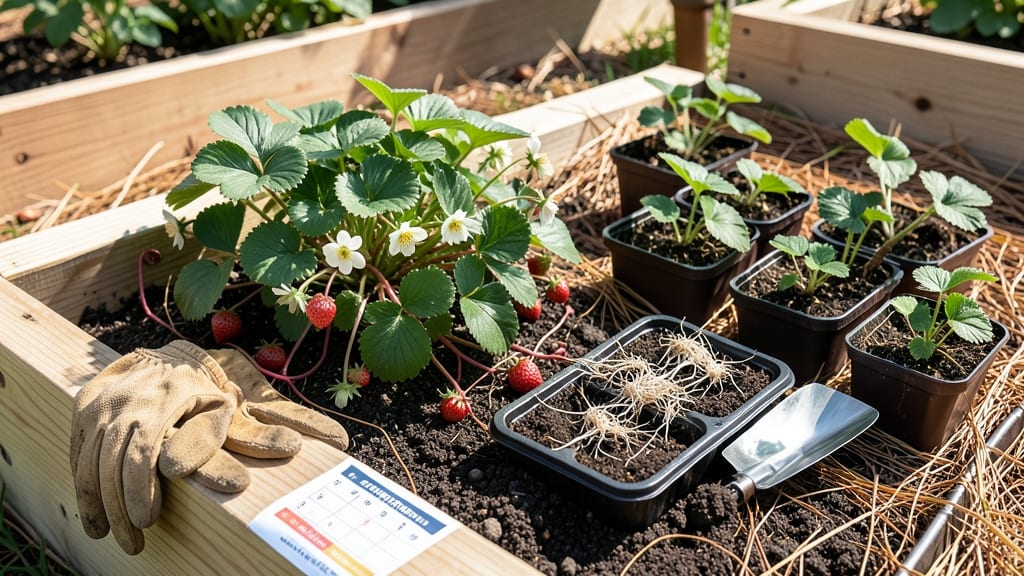
Planting strawberries in Pennsylvania at the wrong time can mean the difference between a bountiful harvest and a sad, frost-killed garden. Unlike many plants, strawberries need precise timing to thrive in our 5b-7a zones—where late frosts linger well into spring and early frosts creep in by October.
If you’ve ever wondered why your 🍓 plants struggled last year, the answer likely lies in when (or if) you planted them. Spring and fall are your two best windows, but getting it wrong can leave your berries vulnerable to cold snaps.
The good news? With the right strategy, you can extend your planting season and enjoy homegrown strawberries for years.
In this guide, I’ll break down the exact months to plant strawberries in Pennsylvania—whether you’re working with bare-root plants or potted varieties—and how to protect them from frost. You’ll also discover which varieties handle our climate best, so you can skip the guesswork and start harvesting sooner.
Ready to turn your garden into a strawberry paradise? Let’s get started with the timing that actually works for Pennsylvania growers.
Pennsylvania strawberry planting dates by county: frost-free zone map
Pennsylvania’s USDA hardiness zones 5b-7a create a tricky balance for strawberry growers. The average last frost date ranges from early April in southern counties to late May in the north, while first frosts arrive as early as mid-September in mountain regions.
These variations mean your strawberry planting window can shift by weeks depending on where you live in the state.
For June-bearing varieties, timing is critical to avoid late spring frosts that can devastate blossoms. Everbearing and day-neutral types offer more flexibility but still require careful scheduling to maximize yields. Below, we’ve broken down the optimal planting months by county, along with zero-frost survival strategies to protect your investment.
| County | USDA Zone | Spring Planting Window | Fall Planting Window | Last Frost Date | Frost Survival Tip |
|---|---|---|---|---|---|
| Allegheny | 6b | Mid-April to early May | Late August to mid-September | April 10 | Use row covers for late blooms |
| Berks | 6b-7a | Late March to April | Early August to late September | April 5 | Plant near south-facing walls |
| Lackawanna | 5b | Late April to May | Late August only | May 5 | Use cold frames for early starts |
| Philadelphia | 7a | Early March to April | September | March 20 | Extend season with black plastic mulch |
| Erie | 5b | Late April to early May | Late August | May 1 | Choose early varieties like 'Honeoye' |
| Lebanon | 6a | Mid-April to May | Late August to September | April 15 | Use straw mulch for insulation |
Northern counties like Erie and Lackawanna face the latest frost risks, often delaying spring planting until late April or May. In contrast, southern counties like Philadelphia can start as early as March, giving gardeners a 6-week head start on the growing season.
For fall planting, aim to finish by mid-September in most regions to allow roots to establish before winter.
How to extend strawberry planting season in Pennsylvania without frost damage
Pennsylvania’s unpredictable frosts can turn strawberry planting into a risky gamble, but with the right strategies, you can extend your growing season safely. The key is combining microclimate selection with protective techniques like row covers and soil warming.
These methods let you plant 4-6 weeks earlier in spring or 2-3 weeks later in fall without frost damage.
For early spring planting, focus on cold frames or low tunnels to create a warmer microclimate. In late fall, use frost blankets or mulch heavily to insulate plants.
Organic options like straw mulch work well, but synthetic frost cloth offers better insulation during hard freezes—critical for PA’s USDA zones 5b-7a.
Here’s how to compare your options for frost protection:
Frost Protection Methods for Strawberries in PA
| Method | Pros | Cons |
|---|---|---|
| Cold Frames | Extends season by 4-6 weeks, reusable, organic | Expensive upfront, requires assembly |
| Row Covers | Lightweight, easy to install, raises temp by 5-8°F | Limited insulation for hard frosts, can trap excess moisture |
| Frost Blankets | Affordable, organic options available, easy to store | Less effective than synthetic covers for below 25°F |
| Soil Warming (Black Plastic) | Speeds up spring planting by 2-3 weeks, suppresses weeds | Not reusable, can overheat soil |
*Best for PA’s climate: Combine row covers + mulch for layered protection.
For microclimate selection, prioritize south-facing slopes or areas near buildings, which absorb and radiate heat. Avoid low-lying spots where cold air pools. In late fall, add 4-6 inches of straw mulch to insulate roots—this can protect plants down to 20°F.
If you’re planting in early spring, use black plastic mulch 2-3 weeks before planting to warm soil. Remove it once plants are established to prevent overheating. For fall plantings, opt for everbearing varieties like ‘Jewel’, which tolerate cooler temps better than June-bearing types.
Always monitor local frost forecasts and have emergency frost cloth ready. A fan-based frost protection system (circulating air) can prevent ice formation on plants during light freezes. With these techniques, you can push your strawberry harvest window by nearly 2 months—without risking frost damage.