
Plants
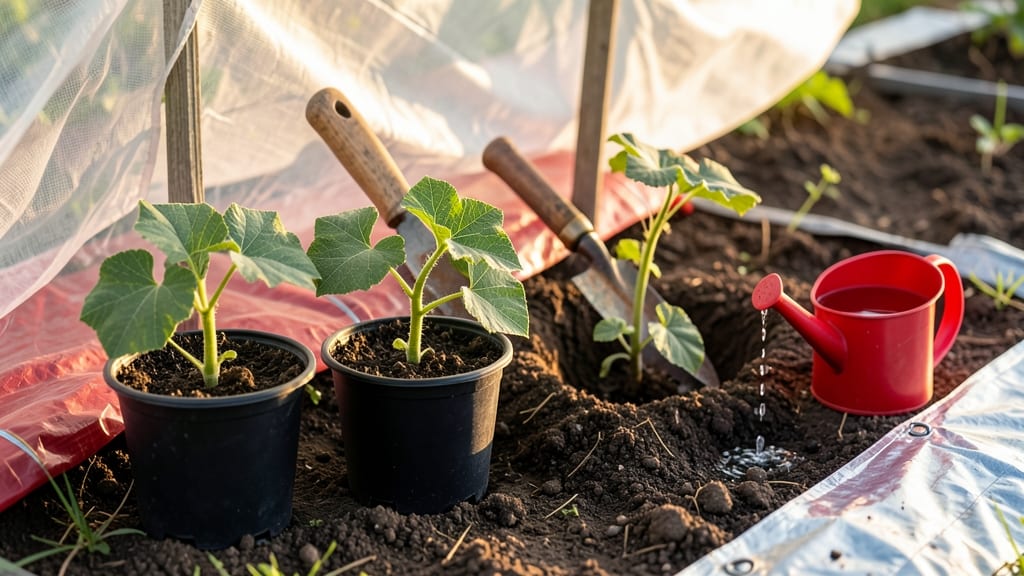
Planting pumpkins in Washington State isn’t just about grabbing seeds and sticking them in the dirt—it’s about timing them perfectly to beat the late frosts that can turn your harvest into a soggy mess.
Whether you're in the damp Pacific Northwest or the sunbaked Columbia Basin, getting the window right means the difference between a bountiful 🎃 harvest and a wasted season.
Most gardeners in Washington’s USDA Zones 5b-9a know the struggle: plant too early, and your seeds rot in cold soil; too late, and your pumpkins never mature before the first frost.
The key is waiting until the soil warms to at least 60°F—typically between mid-April and early June—when the last frost has finally retreated for good.
But here’s the twist: Western Washington’s cooler, wetter climate demands a different approach than Eastern Washington’s drier, warmer zones. I’ll break down the exact planting deadlines by region, plus whether you should start seeds indoors or sow them directly into the ground for the best results.
Ready to grow pumpkins that rival the jack-o’-lanterns at the farmers’ market? Let’s dive into the frost-free planting schedule that’ll have you harvesting perfectly ripe 🎃 pumpkins by fall—no guesswork, just proven timing.
Washington State pumpkin planting deadlines by USDA Zone (with frost-free dates)
Washington’s diverse climate means pumpkin planting deadlines shift dramatically from the Puget Sound’s coastal dampness to the Columbia Basin’s dry heat. In USDA Zones 6-9, timing isn’t just about frost—it’s about soil warmth and rainfall patterns.
Plant too early in Zone 6 (Eastern WA), and your seeds rot. Plant too late in Zone 9 (Yakima Valley), and your pumpkins won’t mature before first frost.
For direct sowing, wait until soil temperatures hit 60°F+—typically mid-April to early June, depending on your zone. Transplants can go in 2-3 weeks earlier, but only if nighttime temps stay above 50°F.
Below, I’ve broken down the frost-free windows for Washington’s key regions, so you can align your planting with your local last frost date.
| USDA Zone | Region | Avg. Last Frost | Direct Sow Window | Transplant Window | Harvest Window |
|---|---|---|---|---|---|
| 6b (Eastern WA) | Spokane, Wenatchee | Early May | Late May to early June | Mid-April to late May | Late Sept to early Oct |
| 7a (Central WA) | Yakima, Wenatchee Valley | Mid-April | Early May to late May | Late April to mid-May | Mid-Sept to late Oct |
| 8a (Western WA) | Seattle, Olympia, Bellingham | Late April | Early May to mid-May | Late April to early May | Late Sept to early Nov |
| 9a (Columbia Basin) | Pasco, Prosser | Early April | Mid-April to early May | Late March to mid-April | Early Sept to late Oct |
Note: Adjust for microclimates—e.g., mountain valleys frost later than lowlands.
In Zone 6b (Eastern WA), where late frosts are common, I recommend transplanting hardy varieties like ‘Sugar Pie’ by mid-April. The soil stays cold longer here, so direct sowing after early June risks immature fruit before frost. Use black plastic mulch to warm the soil faster.
For Zone 9a (Columbia Basin), you’ve got a longer growing season, but heat stress can be an issue. Start direct sowing by mid-April and prioritize heat-tolerant varieties like ‘Howden’. If you’re growing giant pumpkins, begin transplants indoors in March to extend your season.
Western WA’s Zone 8a (Puget Sound) is trickier—cool, wet springs delay planting. Wait until soil dries out after April showers before sowing. Transplants can go in late April, but direct seeds often need to wait until early May to avoid rot.
Choose disease-resistant varieties like ‘Jack Be Little’ for reliability.
Pro tip: Use a soil thermometer to confirm 60°F+ soil temps before planting. In Zone 7a (Yakima Valley), I’ve seen seeds sprout in 5 days when soil hits 65°F, but stagnate for weeks if it’s below 55°F. Patience here pays off with bigger yields.
If you’re starting seeds indoors, begin 4-6 weeks before your last frost date. Use biodegradable pots to avoid root disturbance when transplanting. Harden off seedlings for 7-10 days before moving them outdoors—this is critical in Zone 6, where temperature swings can shock young plants.
Remember: Pumpkins need space—10-20 feet between vines! In small gardens, opt for
Best pumpkin varieties for Washington’s climate (and when to plant them)
Washington’s diverse microclimates—from the cool, wet Pacific Northwest to the hot, dry Columbia Basin—demand the right pumpkin varieties for reliable harvests. Whether you’re growing small jack-o’-lanterns or giant competition pumpkins, timing and variety selection are critical.
Here’s my go-to list for Washington State’s USDA Zones 6-9, including when to plant each type for peak performance.
For Zone 6 (Eastern WA), where late frosts linger into May, cold-hardy varieties like ‘Sugar Pie’ and ‘Howden’ thrive. In Zone 9 (Columbia Basin), heat-tolerant types such as ‘Cinderella’ and ‘Giant Canadian’ handle the intense summer sun.
Each variety has a specific planting window to avoid frost damage or heat stress, so let’s dive into the best options and their ideal timelines.
When to Plant Pumpkins in Washington by Variety
- Cold-Hardy Varieties (Zones 6-7): Plant ‘Sugar Pie’ or ‘Howden’ after last frost (mid-May) for 90-day maturity. Start seeds indoors 4-6 weeks before for earlier harvests.
- Medium-Sized Jack-O’-Lanterns (Zones 7-8): Direct-sow ‘Jack Be Little’ or ‘Waltham Butternut’ late April to early May. These mature in 85-90 days, perfect for Halloween displays.
- Heat-Tolerant Giants (Zones 8-9): Plant ‘Giant Canadian’ or ‘Dill’s Atlantic Giant’ by early May in well-drained soil. Vines need 20+ feet of space and 120+ days to reach competition size.
- Small Space Solutions (All Zones): Try ‘Baby Boo’ or ‘Minnesota Golden’, planting late May to early June. These mature in 75-80 days and thrive in containers or small gardens.
- Late-Season Extenders (Zones 7-9): For fall harvests beyond October, choose ‘Cinderella’ and sow seeds by mid-June. These tolerate cooler temps and produce after Labor Day.
If you’re in Western Washington (Zones 7-8), aim to plant by early May to avoid spring rains slowing germination. In Eastern WA (Zones 6-7), wait until mid-May when soil warms to 60°F+.
For giant pumpkins, start seeds indoors in March and transplant after Memorial Day to maximize growing season.
Pro tip: Mulch heavily after planting to retain moisture, especially in Zone 9’s dry heat. Use straw or black plastic to keep soil temps stable and prevent blossom-end rot. I’ve found that companion planting with nasturtiums deters pests like squash bugs, which are rampant in Washington’s humid summers.
For small gardens, opt for bush varieties like ‘Jack Be Little’, which mature faster and take up less space. If you’re growing for Halloween, prioritize ‘Howden’ or ‘Sugar Pie’—they’re disease-resistant and uniform in shape, perfect for carving.
Just remember: thin seedlings to 2-3 per plant to ensure larger, healthier fruit.
Washington’s short growing season in cooler zones means every day counts. By choosing the right variety and planting at the optimal time, you’ll beat the clock and enjoy a bountiful harvest—whether it’s pie pumpkins in September or giant jack-o’-lanterns by Halloween. Happy planting! 🎃