
Plants
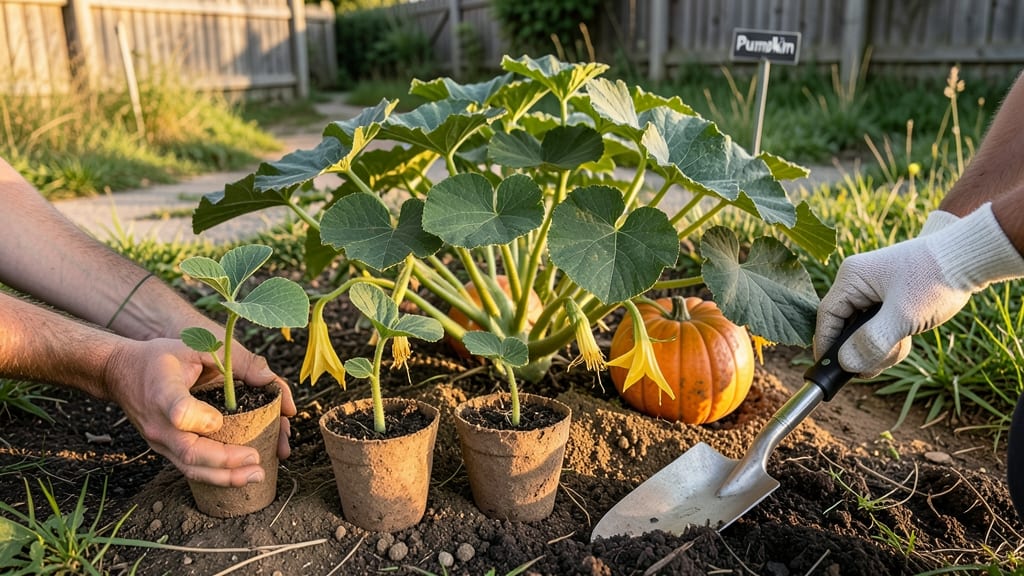
Planting pumpkins in Kentucky at the right time means the difference between a bountiful harvest and a wasted season. With 6a-7b growing zones and warm summers, timing your 🎃 seeds after the last frost is the key to success.
Most Kentucky gardeners aim to plant pumpkins between late May and early June, once soil temperatures hit 60°F. This window ensures your vines have plenty of time to mature before the first frost in October, giving you a full 90-120 days of growth.
But here’s the catch: Northern Kentucky’s cooler springs may need a slightly later start, while Southern regions can push planting into early June. I’ll break down the exact frost-free timeline and soil prep tips tailored to your part of the state.
Whether you’re growing small jack-o’-lanterns or giant competition pumpkins, getting the timing right is the first step to a thriving garden. Let’s make sure your pumpkins have the best possible start.
Kentucky pumpkin planting timeline by soil temperature and frost dates
Getting your pumpkin seeds in the ground at the right time is the key to a bountiful harvest in Kentucky. The state’s USDA zones 6a-7b offer a generous growing window, but soil temperature and frost dates vary dramatically between Northern and Southern regions.
For example, Lexington typically has a last frost date of April 15, while Paducah can plant as early as March 20. Use this timeline to avoid frost damage or missed harvests.
Before you plant, check your local frost-free days. Kentucky averages 165 days between frosts, but Northern counties like Hopkinsville may only have 150 days, while Bowling Green often stretches to 180 days.
This means your 90-day varieties need precise timing—plant too late, and you’ll lose your harvest to early fall frosts.
Here’s how to use a soil thermometer for perfect timing: Pumpkin seeds need soil temperatures of 60°F or warmer to germinate. In Northern Kentucky, wait until late May when soil hits 65°F; in Southern Kentucky, early April soil temps often reach 60°F safely.
Test your soil daily if temps fluctuate—cold snaps can delay germination for weeks.
Avoid the common mistake of planting too early just because the air feels warm. Cool soil below 55°F causes seeds to rot. Instead, use this rule: Start seeds indoors 2-3 weeks before your last frost date if you’re worried about timing.
Transplant seedlings when soil warms to 60°F and nighttime temps stay above 50°F.
For Northern Kentucky, aim to plant by June 1 to ensure your 90-day varieties mature before the first frost. If you’re growing 110-day giant pumpkins, start seeds indoors in April and transplant after the last frost.
In Southern Kentucky, you can push the envelope: plant as early as March 15 if soil temps are stable, but be prepared to protect seedlings with row covers if late frosts hit.
Pro tip: Use black plastic mulch to warm soil faster in cooler regions. Lay it down 2-3 weeks before planting to raise soil temps by 5-10°F.
This trick lets you plant 2-3 weeks earlier in Northern Kentucky, extending your growing season significantly. Just remove the mulch after vines spread to prevent overheating.
If you’re unsure about your local frost dates, check the Kentucky Mesonet or your local Cooperative Extension Service for updates. These resources provide hyperlocal data that can shift planting windows by weeks. For example, Eastern Kentucky’s higher elevations may have 2-3 weeks later frost dates than Western Kentucky’s river valleys.
Remember, pumpkins need 90-120 days to mature, so calculate backward from your first frost date. If you’re in Zone 6a (like Frankfort), your harvest window closes by October 15.
This means July 1 planting is your absolute deadline for 90-day varieties. For 110-day giants, you’ll need to plant by June 15.
Don’t forget to harden off seedlings if you’re transplanting. Acclimate them
How to choose pumpkin varieties for Kentucky’s climate and harvest goals
Kentucky’s humid summers and long growing season create perfect conditions for pumpkins—but not all varieties thrive equally. Heat tolerance, disease resistance, and days to maturity are critical factors when selecting pumpkins for your Bluegrass State garden.
Choose the wrong variety, and you’ll risk powdery mildew or a harvest too late for Halloween. Let’s break down the best options for your goals.
First, consider your harvest timeline. Kentucky’s frost-free window typically spans 165 days, but Southern Kentucky enjoys 10-14 extra days compared to Northern regions. This means fast-maturing varieties (75-85 days) work well in cooler areas, while longer-season types (100+ days) excel in warmer zones like Henderson or Paducah.
Match your variety to your location for maximum success.
Disease resistance is non-negotiable in Kentucky’s high humidity. Look for varieties labeled powdery mildew-resistant or downy mildew-tolerant. My top picks include 'Jackpot' and 'Autumn Gold', both bred to withstand Kentucky’s fungal pressure. Even better, opt for bush types like 'Sugar Pie', which mature faster and produce fewer vines—reducing disease spread.
For small-space gardens, prioritize bush varieties like 'Sugar Pie' or 'Autumn Gold'. These compact types produce 3-6 pumpkins on vines just 3-5 feet wide, perfect for raised beds or container growing.
If you have ample yard space, vining varieties like 'Jackpot' or 'Howden' deliver higher yields—but require 10+ feet of vine length and strong trellising to manage growth.
Kentucky’s humid climate demands proactive disease management. Even the most resistant varieties need proper spacing (6-8 feet between plants) to improve airflow and reduce fungal spores. I’ve found mulching with straw and neem oil sprays every 2 weeks keeps powdery mildew at bay.
For giant pumpkins like 'Howden', consider drip irrigation to avoid leaf wetness, which fuels disease.
Finally, align your harvest goals with the right variety. Need Halloween-ready pumpkins? Plant 'Jackpot' or 'Sugar Pie' by May 1 for a September harvest. Want winter storage? Choose 'Autumn Gold' or 'Cinderella', which ripen later and store for months in cool