
Plants
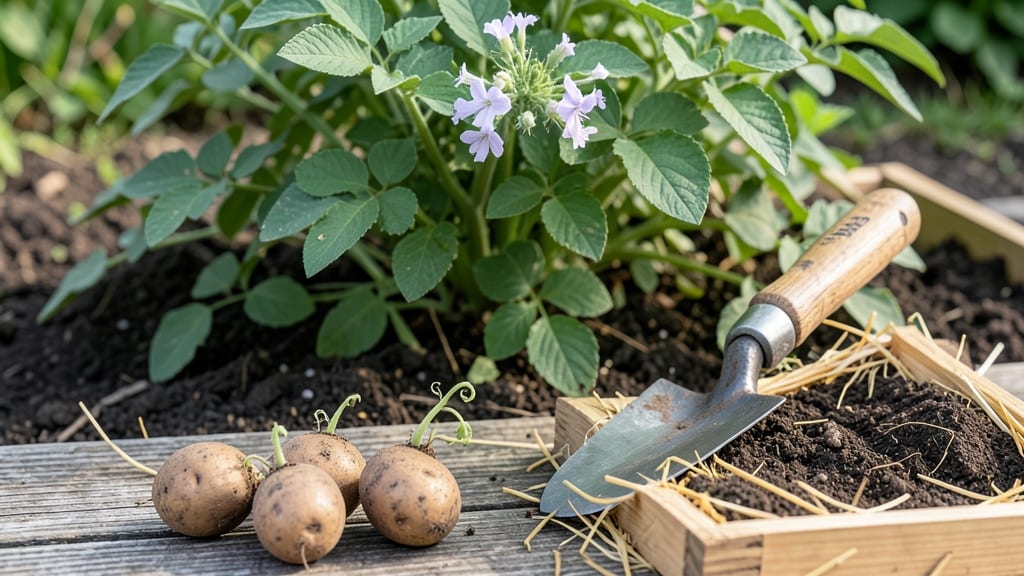
If you're wondering when to plant your 🥔 potatoes in Missouri, timing is the secret to avoiding frost damage and maximizing your harvest. The right window—typically between March and April—lets you take advantage of warming soil while dodging late frosts that can ruin tender sprouts.
Missouri’s USDA zones 5b-6b mean your last frost usually hits around mid-April, but soil temperature is the real game-changer. Planting too soon when the ground is still chilly (45°F or below) slows germination, while waiting too long cuts your growing season short.
The key? Start when soil reaches a steady 45-50°F—that’s your cue to get those seed potatoes in the ground.
Whether you’re growing early varieties like Yukon Gold or late-season types, this guide breaks down the best planting windows for Missouri’s climate. You’ll learn how to test soil temperature, adjust for your specific region (St. Louis, Kansas City, or rural areas), and even speed up germination with simple tricks.
Skip the guesswork and get fast, reliable results—because in Missouri, the difference between a bumper crop and a bust comes down to planting at the perfect moment. Let’s make sure you’re ready.
Best planting times for potatoes in Missouri based on soil temperature
Missouri’s variable climate makes soil temperature the key to successful potato planting. Unlike other crops, potatoes need consistent warmth to germinate—typically 45°F (7°C) or higher. Plant too early, and frost will halt growth; too late, and you’ll miss the 90-day harvest window before fall frosts.
My soil thermometer has saved me from wasted seed potatoes more times than I can count!
Most Missouri gardeners focus on spring planting, but fall planting is also possible in warmer regions like Columbia or Southeast Missouri. The difference? Soil temperature thresholds shift between seasons.
For spring, aim for 45–55°F (7–13°C); for fall, wait until 55–60°F (13–16°C) to avoid slow germination. Let’s break it down by region and method.
To test your soil temperature, bury a soil thermometer 4 inches deep (the depth you’ll plant potatoes) and check readings in the morning. If temps are below 45°F (7°C), hold off—even chitted potatoes won’t sprout reliably.
Pro tip: Use black plastic mulch to warm soil faster in cold springs. I’ve seen it raise temps by 10°F (5°C) in just a week!
For early varieties like Red LaSoda, plant 2–4 weeks before your last frost date. Late varieties (e.g., Russet Burbank) need 90+ days, so plant them after the last frost.
Missouri’s USDA zones 5b–6a mean frost can sneak up—always check the University of Missouri Extension for your county’s average last frost date.
Adjust your schedule if you’re using organic methods. Organic matter like compost warms soil faster than bare dirt, so you might plant 1–2 weeks earlier. Conversely, sandy soils (common in Northeast Missouri) cool quickly—plant later or use row covers for protection.
My clay-heavy soil in St. Louis holds warmth longer, letting me plant earlier than neighbors with sandy plots.
Fall planting is risky but rewarding in warmer microclimates. Plant early-maturing varieties (e.g., ‘Early Rose’) in late July for a fall harvest before the first frost. Use a soil thermometer to confirm temps stay above 55°F (13°C) for 3+ weeks
Missouri-specific potato varieties and their ideal planting dates
Missouri’s climate offers a perfect window for growing potatoes, but choosing the right variety and planting date makes all the difference. With USDA zones 5b-6b, you can grow both early and late-season potatoes, but timing depends on your last frost date—typically mid-April.
Early varieties like Red LaSoda thrive when planted as soon as the soil warms to 45°F, while late varieties like Kennebec need a longer season.
Selecting the right potato type ensures a bountiful harvest. Early-season varieties (60-90 days) like Yukon Gold are ideal for spring planting, while late-season types (100-120 days) like Russet Burbank can handle Missouri’s heat better.
Below, I’ve broken down the top 5 cold-hardy varieties and their perfect planting windows to match Missouri’s climate.
For northern Missouri (e.g., St. Joseph), aim to plant early varieties like Red LaSoda by early March to avoid late frosts. In southern Missouri (e.g., Springfield), you can extend planting into late April for mid-season types like Yukon Gold.
Always check your local last frost date—Missouri’s varies by 1-2 weeks depending on elevation.
If you’re unsure about your frost date, use black plastic mulch to warm the soil faster. This trick works wonders for late-season varieties like Russet Burbank, giving them the extra time they need to mature before Missouri’s first frost in mid-October.
Just lay the mulch down 2 weeks before planting for best results.
Pro tip: Chitting (pre-sprouting) your seed potatoes indoors speeds up germination by 1-2 weeks. Place them in a cool, bright spot with 50-60°F temperatures for 2-3 weeks before planting. This is especially helpful for Missouri’s unpredictable springs where soil temperatures can fluctuate wildly.
Remember, soil temperature matters more than air temperature. Use a soil thermometer to confirm 45°F+ before planting—cold soil delays germination and invites rot. With the right variety and timing, you’ll enjoy a homegrown potato harvest from July to September! 🌱