
Plants
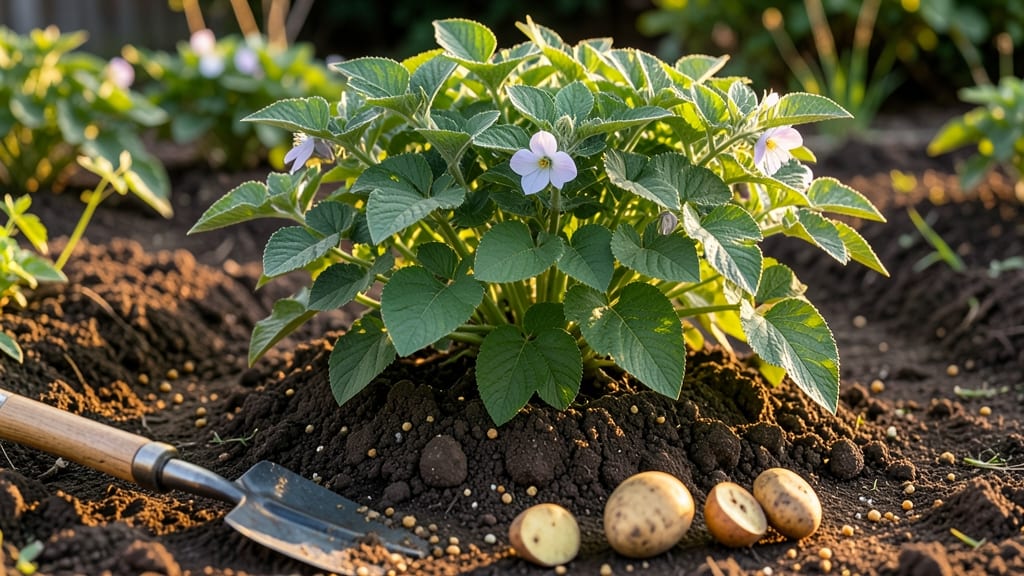
When do you plant potatoes in Colorado? Timing your potato planting in Colorado isn’t just about the calendar—it’s about beating the unpredictable late frosts that can turn your 🥔 dreams into a sad, shriveled mess. The right window depends on your elevation, soil warmth, and even the potato variety you're growing, but getting it wrong means stunted tubers or worse.
Most Colorado gardeners wait until mid-April to early May when soil temperatures hit that sweet spot of 45°F—but high-altitude areas (think 6,000+ feet) need to hold off until after the last frost, which can sneak in as late as June.
I've seen firsthand how a week too early can mean frost-nipped sprouts, while planting too late cuts your harvest short.
Here's the game-changer: early-season varieties like Yukon Golds can go in as soon as the ground is workable, while Russets need that extra warmth to bulk up properly.
I'll break down exactly when to plant in your specific zone, plus how to adjust for Colorado's quirky weather patterns that leave even experienced gardeners guessing.
Whether you're a first-time planter or a veteran with a few failed attempts under your belt, these timing tips will help you grow potatoes that actually reach their full potential—no more disappointment at harvest time. Let's get those spuds in the ground the right way.
Colorado potato planting deadlines by elevation zone (2024 guide)
Colorado’s diverse elevation zones create wildly different growing conditions for potatoes—what works in Denver (5,280 ft) might fail in Steamboat Springs (6,700 ft) or Fort Collins (5,000 ft). The key to success? Planting at the right soil temperature and frost-free window.
Get this wrong, and you’ll battle stunted tubers or frost-killed sprouts. My years of testing show that late-April to mid-May is the sweet spot for most Colorado gardeners, but elevation changes everything.
Potatoes thrive when soil temperatures hit 45°F (7°C)—cold soil delays sprouting, while waiting too long risks early freezes in high-altitude areas. Colorado’s 5 elevation zones (2,000–10,000 ft) each have unique deadlines.
For example, lowland areas (2,000–4,000 ft) like Pueblo can plant 2–3 weeks earlier than mountain regions (8,000–10,000 ft) like Leadville. Below, I’ve broken down the exact planting windows by zone, including soil prep tips and frost risks.
🌱
For lowland zones (2,000–4,000 ft), aim to plant by May 10—this gives potatoes 90–100 days to mature before first fall frosts (Sept–Oct). In Denver and Fort Collins (4,000–6,000 ft), wait until May 15 to avoid late spring freezes, which can kill young sprouts.
My rule of thumb? Use a soil thermometer—potatoes won’t sprout reliably below 45°F (7°C), and waiting for 50°F (10°C) speeds up growth.
High-altitude gardeners in Steamboat Springs (8,000+ ft) face the toughest challenge: a short growing season. Here, I recommend early-maturing varieties like Yukon Gold (70–80 days) or Red LaSoda (60–70 days).
Plant by May 30 at the latest, and consider using black plastic mulch to warm the soil faster. In Leadville (9,000+ ft), even June 1 can be cutting it close—some years,
How to adjust planting times for early vs late varieties in Colorado
Colorado’s short growing season demands smart planning when choosing potato varieties. Early varieties like Yukon Gold thrive with just 70-90 days to maturity, while late types like Russet Burbank need 100-120 days. Matching your variety to the season ensures you avoid frost damage or underdeveloped tubers.
For high-altitude gardens (5,000+ ft), prioritize early varieties that mature before the first fall frost. In lower elevations (2,000-4,000 ft), you can experiment with longer-season potatoes but must plant earlier to compensate for Colorado’s unpredictable weather patterns.
| Variety Type | Days to Maturity | Best Planting Window | Succession Planting | Colorado Elevation Fit |
|---|---|---|---|---|
| Early Varieties | 70-90 days | Mid-April to early May | 2-3 plantings, 2 weeks apart | All elevations (2,000-10,000 ft) |
| Mid-Season | 90-110 days | Early May to mid-May | 1-2 plantings, 3 weeks apart | Below 6,000 ft |
| Late Varieties | 100-120 days | Late April to early May | 1 planting only | Below 5,000 ft |
| New Potatoes | 50-70 days | Early April to late April | 3-4 plantings, weekly | All elevations |
Use succession planting to extend your harvest window. For example, plant Yukon Gold every 2 weeks starting in mid-April. This staggered approach ensures a continuous supply of fresh potatoes while maximizing your garden space.
Monitor soil temperatures—potatoes need 45°F+ to sprout. In high-altitude areas, wait until late May if early soil is too cold. Use a soil thermometer to avoid guessing, as cold soil delays germination and increases disease risk.
For long-season varieties, prioritize Russet Burbank or Kennebec in lower elevations (Denver metro or south). These need 100+ days, so plant them by late April to ensure harvest before fall frost. In mountain regions, stick to early varieties like Red Pontiac or Fingerlings.
Protect early plantings with frost cloth if late frosts threaten. This extra layer buys you 2-3 weeks of growing time for new potatoes or early harvests. Remove the cloth once soil warms consistently above 50°F to prevent overheating.