
Plants
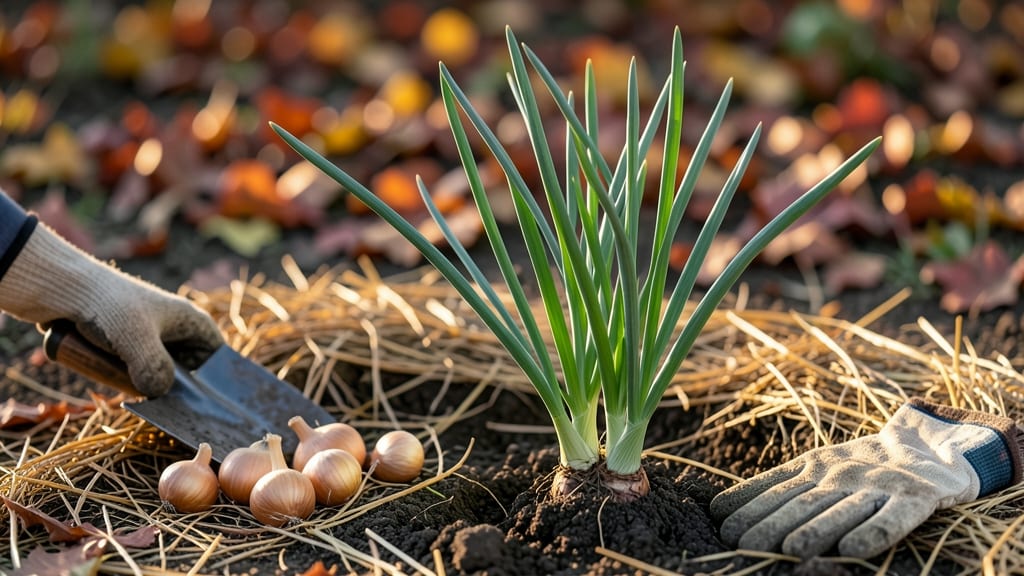
Planting onions in the fall is your secret weapon for sweeter, milder bulbs—but get the timing wrong, and you’ll end up with disappointing results. The key lies in a 60-day window before your first frost, where soil temperatures and daylight play a crucial role in bulb development.
In USDA Zone 6a, like many gardening regions, your best bet is to plant 4-6 weeks before frost—typically between late September and early October.
This gives your 🧅 onions enough time to establish roots before winter slows growth, while still allowing them to mature early enough for a spring harvest.
Choosing the right variety matters just as much as timing. Short-day onions thrive in fall planting, producing sweeter bulbs when exposed to shorter daylight hours. Meanwhile, long-day varieties may struggle unless you’re in a northern climate with extended growing seasons.
Ready to maximize your harvest? I’ll walk you through the exact steps—from soil prep to spacing tips—to ensure your fall-planted onions overwinter successfully and reward you with a bountiful, flavorful crop next spring.
Fall onion planting timeline by US hardiness zones (with frost risk charts)
Timing your fall onion planting is all about avoiding early frost while giving roots time to establish before winter. In USDA Zones 3-10, the ideal window is 4-6 weeks before your first frost date.
This ensures bulbs mature enough to overwinter but don’t rot from soggy soil or freeze before developing properly.
For example, in Zone 5 (like Chicago), aim for mid-September planting, while Zone 9 (like Los Angeles) can extend planting until early November. The key is soil temperatures between 40-60°F—cooler than spring planting but warm enough for root growth.
Here’s where frost risk charts become your best friend. Zones with harsh winters (like Zone 3) need earlier planting, while milder zones (like Zone 8) offer more flexibility. Let’s break it down by zone to avoid winter losses and maximize your sweet, mild onion harvest.
🌱
| USDA Zone | First Frost Date | Ideal Planting Window | Soil Temp for Planting | Frost Risk Level | Notes |
|---|---|---|---|---|---|
| Zone 3 | Mid-September | Late August - Early September | 45-55°F | ❄️❄️❄️ (High) | Use thick mulch (6+ inches) to insulate bulbs. |
| Zone 4 | Late September | Early to Mid-September | 45-55°F | ❄️❄️ (High) | Choose short-day varieties like 'Sweet Sandwich.' |
| Zone 5 | Mid-October | Late August - Early October | 40-50°F | ❄️❄️ (Moderate) | Plant 1 inch deep with 4-6 inches between sets. |
| Zone 6 | Early November | Late September - Early October | 40-55°F | ❄️ (Moderate) | Consider chitting sets for faster growth. |
| Zone 7 | Mid-November | Early to Mid-October | 45-60°F | ❄️ (Low) | Use straw mulch to protect from light frosts. |
| Zone 8 | Late November | Mid-October - Early November | 50-60°F | ❄️ (Very Low) | Can plant long-day varieties for spring harvest. |
| Zone 9 | Early December | Late October - Early November | 55-65°F | ❄️ (Minimal) | Extend season with row covers for light frosts. |
| Zone 10 | None (or rare)
6 Critical factors that determine your perfect planting date (beyond the calendar)Planting onions in the fall isn’t just about checking a calendar—it’s about reading your local microclimate, understanding onion variety needs, and knowing when the soil temperature is just right. While your neighbor in the suburbs might plant in early October, your urban garden with heat-retaining concrete could need onions in the ground by mid-September. These 6 critical factors will help you pinpoint the exact moment for your perfect harvest. First, soil temperature is your most reliable guide. Onions thrive when soil stays between 45°F and 65°F—too warm, and they bolt; too cold, and growth stalls. In most regions, this window opens in late August to early October, but urban areas with heat islands may need earlier planting. Next, consider daylight hours: onions are sensitive to light, and planting when days shorten to 12 hours or less triggers bulb formation. 6 Critical Planting Factors for Fall Onions
Don’t overlook onion variety maturity, either. Short-day onions (like 'Texas Early White') are your best bet for fall planting—they mature in 90-120 days, perfect for overwintering. Long-day varieties (e.g., 'Sweet Sandwich') take 120-150 days and risk bolting if planted too late. Check your seed packet for days to maturity and count backward from your first frost date. Your urban vs. rural location also shifts the timeline. Concrete and asphalt in cities trap heat, keeping soils 5-10°F warmer than rural fields. This means urban gardeners should plant 1-2 weeks earlier to avoid heat stress. Conversely, rural areas with cooler nights may need to wait until mid-October to avoid early frost damage. Test your soil temperature with a $10 thermometer to confirm readiness. Finally, moisture retention in your soil can make or break your harvest. Sandy soils dry out quickly, forcing you to plant 2 weeks earlier to give roots time to establish before winter. Amend your soil with compost or peat moss to improve water retention, and always mulch with straw or leaves to insulate bulbs through frost. A little extra prep now means sweeter, larger onions come spring. By balancing these factors—soil temp, daylight, variety, and microclimate—you’ll land on the perfect planting date for your garden. The key is flexibility: if your soil stays warm, plant sooner; if frost looms early, adjust your schedule. Your onions will thank you with sweeter, milder bulbs ready for harvest next spring. 🧅 |