
Plants
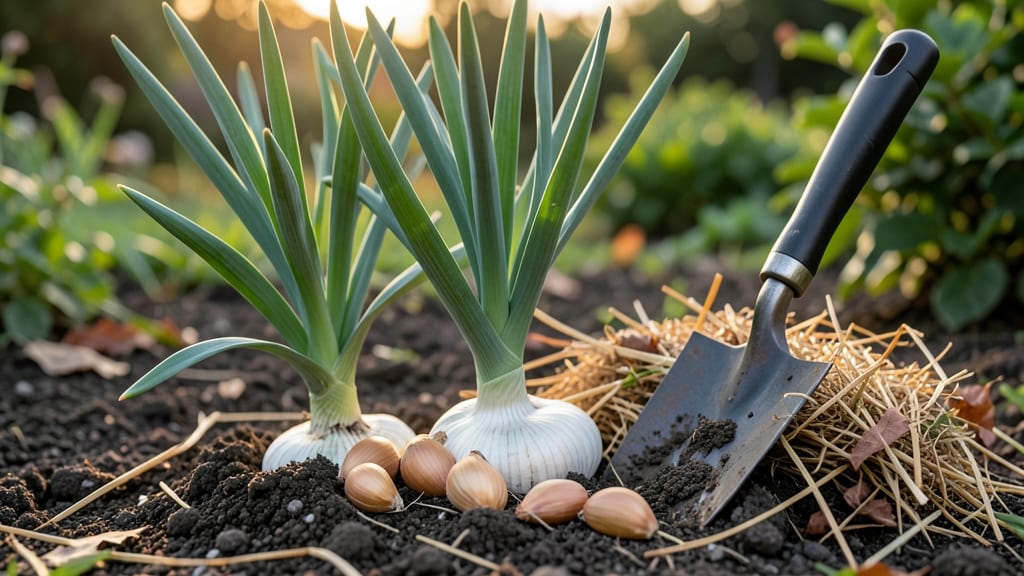
Planting 🧄 garlic in Oklahoma at the wrong time can mean the difference between a bumper crop and wasted effort. If you miss the ideal window—typically October to November—your garlic might not get enough cold exposure to form strong bulbs, leaving you with disappointing results.
Oklahoma’s 6a-7b climate gives you a narrow but critical period to plant, and choosing the right variety matters just as much as timing. Hardneck varieties need more chill hours, while softnecks are more forgiving.
I’ll show you exactly when to plant based on your location and which types will thrive in your garden.
Don’t worry if you’re new to garlic growing—this guide breaks down the best months, soil prep, and even what to do if you’re late to the game. With the right approach, you’ll be harvesting plump, flavorful bulbs by June or July.
Ready to grow the best garlic in Oklahoma? Let’s get started with the exact steps to ensure your crop succeeds from seed to harvest.
Best planting times for garlic in Oklahoma by chill-hour requirements
Oklahoma's diverse climate means garlic planting times vary dramatically between the northern and southern regions. In USDA Zones 6a-7a (north), you can plant as early as mid-October, while Zone 7b-8a gardeners in the south should wait until late November.
The key? Matching your garlic variety to the region's chill-hour requirements—anything less than 300 hours of cold temps below 40°F, and you risk poor bulb formation.
Hardneck varieties like 'Music' or 'German White' thrive with 600-900 chill hours, making them perfect for northern Oklahoma. Meanwhile, softneck varieties such as 'Silverskin' or 'Artichoke' need fewer 300-500 chill hours, ideal for the warmer southern regions.
Planting at the wrong time can lead to bolting (premature flowering) or tiny bulbs—neither of which you want!
Here's the critical rule: Plant garlic 4-6 weeks before the first hard frost in your area. For most of Oklahoma, this lands in October-November. Use your local frost date as your deadline—any later, and your garlic won't have enough time to establish roots before winter dormancy.
Pro tip: Check the Oklahoma Mesonet for real-time frost predictions if you're unsure.
Now, let's break down the exact planting windows by region and variety. The comparison table below shows ideal months, chill-hour needs, and last planting dates to avoid bolting. Use this as your roadmap for success!
| Region | USDA Zone | Chill-Hour Range | Best Varieties | Ideal Planting Month | Last Planting Date |
|---|---|---|---|---|---|
| Northern OK | 6a-7a | 600-900 hrs | Music, German White, Rocambole | October-November | November 15 |
| Central OK | 7a-7b | 400-600 hrs | German Red, Chesnok Red | October-November | November 30 |
| Southern OK | 7b-8a | 300-500 hrs | Silverskin, Artichoke | November-December | December 15 |
If you're in Zone 6a (northwest Oklahoma), don't wait past November 15—your garlic needs those 600+ chill hours to form proper bulbs.
For Zone 7b gardeners in the south, you can push it to mid-December, but avoid planting after January 1 unless you're using row covers to extend the season. Remember, garlic grows best when planted in cool soil (below 70°F), so avoid late-summer planting entirely.
One common mistake is assuming all garlic is created equal. Hardneck varieties (like 'Music') produce scape shoots and need more chill hours, while softneck varieties (like 'Silverskin') store longer but require fewer chill hours.
In Oklahoma's Zone 7b, hardnecks may bolt prematurely if planted too late, while softnecks can handle the shorter winters in southern regions. Always check the chill-hour requirements on your seed packet!
For northern Oklahoma, aim to plant by October 15 for the best results. This gives your garlic enough time to establish roots before winter sets in. In southern Oklahoma, where winters are milder, you can wait until November 15 without risking poor bulb development.
The soil temperature is just as critical as the air temperature—garlic cloves won't sprout well in soil warmer than 70°F, so avoid planting in late summer heat.
Pro tip: If you're unsure about your exact chill-hour total, use a garlic chill-hour calculator or check with your local Cooperative Extension office. They can provide historical climate data for your specific area. For example, Oklahoma City (Zone 7a)
Choosing the right garlic variety for Oklahoma is key to avoiding bolting and ensuring a bountiful harvest. The state's chill-hour range (300-1,000 hours) means some varieties thrive while others struggle. For example, hardneck varieties like 'Music' need 600+ chill hours, while softneck types like 'German White' tolerate fewer. Let's dive into the best options and their exact planting deadlines by region. Northern Oklahoma (USDA Zone 6a) has a longer growing season, allowing for earlier planting. Gardeners here can plant hardneck varieties like 'Chesnok Red' or 'German Red Stripe' as early as mid-October. Southern Oklahoma (Zone 7b) has shorter winters, so planting should happen by late November to meet chill-hour requirements. Missing these deadlines risks premature bolting, ruining your harvest. Here’s a quick reference for the best-performing varieties in Oklahoma, their chill-hour needs, and last planting dates by region: For fresh garlic, hardneck varieties like 'Music' or 'Chesnok Red' are ideal—they produce larger cloves and bold flavors. Save these for cooking or selling at farmers' markets. If you prioritize long-term storage, softneck varieties like 'German White' or 'Silverskin' are your best bet. Their longer shelf life (up to a year) makes them perfect for pantries. Pro tip: Plant garlic cloves pointy-end up, 2 inches deep in well-draining soil. Mulch heavily with straw or leaves to protect from winter temperature swings. In Northern Oklahoma, aim to finish planting by November 15 to avoid bolting. Southern gardeners should wrap up by December 10 for reliable results. Missed the deadline? Don’t panic. While spring planting is risky, you can try low-chill varieties like 'German White' in early February for a smaller harvest. Just be prepared for bolting if temperatures rise too soon. With the right variety and timing, Oklahoma’s garlic season can be a flavorful success! 🧄Top garlic varieties for Oklahoma gardens and their planting deadlines