
Plants
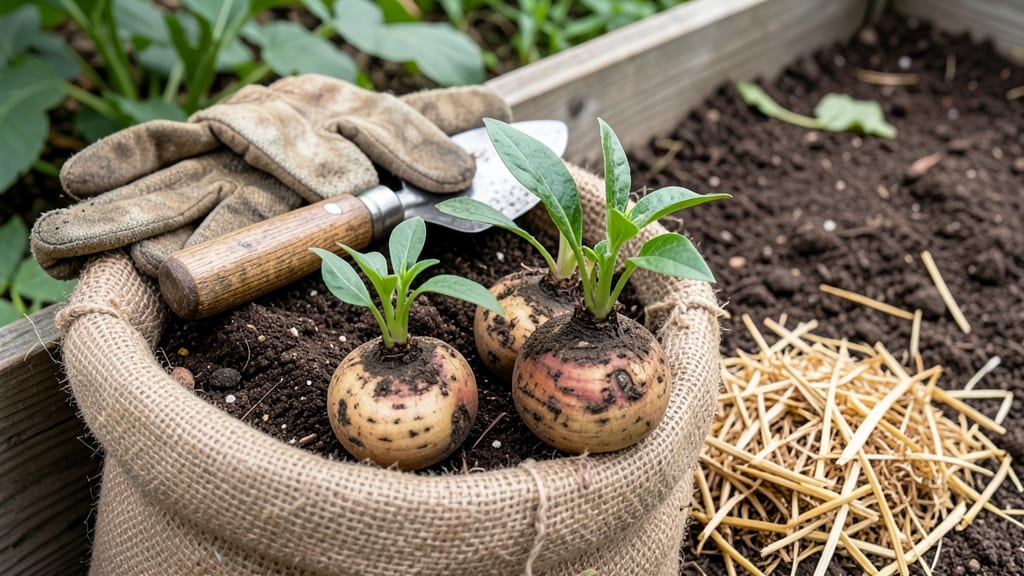
Planting dahlias in the UK isn’t just about checking a calendar—it’s about waiting for the soil to warm enough to protect those delicate tubers from frost. Get it wrong, and you’ll watch your 🌸 dahlias wilt before they even bloom.
The key? Planting after mid-April in most regions, but with a twist: soil temperature matters more than dates.
Here’s the catch: while the last frost might pass in early April in southern England, cooler zones like Scotland or highland areas could still face chilly nights well into May.
That’s why simply following a planting date won’t guarantee success—you need to know when your soil reaches that 10°C sweet spot, 3-4 inches down.
In this guide, I’ll show you exactly how to time your dahlias for zero frost risk, from testing soil temperature to adjusting for your microclimate. Whether you’re a first-time gardener or a seasoned grower, these tricks will help you enjoy vibrant blooms from July to frost—without the guesswork.
Ready to turn your garden into a dahlia paradise? Let’s dive into the regional planting windows and soil secrets that make all the difference.
UK dahlia planting dates by region: frost-free soil temperature guide
Dahlias thrive when planted after the last frost, but the UK’s varied climate means timing differs by region. The golden rule: wait until soil temperatures consistently reach 10°C (50°F) at 10cm depth.
This threshold ensures roots establish before cooler nights return. In my experience, planting too early—even with frost cloths—can stunt growth or kill tender tubers.
Regional differences matter. Southern England often sees frost-free soil by mid-April, while Scotland’s cooler climate may delay planting until late May. Wales and Northern Ireland fall somewhere in between, with early to mid-May being safest. Always check local last-frost averages to refine your schedule.
🌱 Comparison Table: UK Dahlia Planting Windows by Region
| Region | Last Frost Avg. | Ideal Planting Window | Soil Temp. Threshold | Risk Level |
|---|---|---|---|---|
| Southern England | Late March–Early April | Mid-April–Early May | 10°C (50°F) | Low (warmer microclimates) |
| East Anglia | Early April | Late April–Early May | 10°C (50°F) | Moderate (coastal breezes) |
| Wales | Early–Mid April | Late April–Mid May | 10°C (50°F) | Moderate-High (higher elevations) |
| Scotland (Lowlands) | Late April–Early May | Late May–Early June | 12°C (54°F) preferred | High (late frosts common) |
| Northern Ireland | Mid–Late April | Late May–Early June | 11°C (52°F) minimum | High (coastal frost pockets) |
For England’s southern counties, aim to plant by mid-May to avoid late frosts. In my garden in Sussex, I’ve seen unpredictable frost return as late as early June, so I always monitor weather forecasts. Use a soil thermometer to confirm readiness—don’t rely solely on calendar dates.
In Scotland and Northern Ireland, patience pays off. Delaying until late May or June reduces frost risk, even if it shortens the blooming season. I’ve grown ‘Café au Lait’ dahlias successfully in Edinburgh by using black plastic mulch to warm the soil faster.
Welsh gardeners face unique challenges due to highland vs. coastal microclimates. In Snowdonia, I’ve had to wait until early June, while coastal Pembrokeshire may see safe planting by mid-May. Always test soil temperature in your specific location—microclimates can vary dramatically even within a few miles.
Pro tip: If you’re eager to start earlier, harden off tubers in pots under grow lights or a greenhouse. This gives you a 2-3 week head start while protecting against frost. I’ve used this method to get earlier blooms in my London garden without risking tuber damage.
Remember: Dahlias planted after mid-June may still flower, but expect smaller blooms and weaker stems. The ideal window is April–May for most regions, with Scotland pushing to June. Always prioritize soil temperature over calendar dates for foolproof results.
For extra protection, choose early-flowering varieties like ‘Thomas Edison’ or ‘Bishop’. These tolerate cooler soils better than late bloomers. Pair this with well-draining soil (dahlias hate soggy roots) and you’ll maximize your chances of a show-stopping display** from July onward.
🌸
How to test soil temperature for perfect dahlia planting timing
Planting dahlias at the wrong time can mean stunted growth or worse—frost damage that kills your tubers before they even sprout. The key to success? Soil temperature. Dahlias thrive when the ground reaches a steady 10°C (50°F) at a depth of 10cm (4 inches).
This ensures roots establish quickly and avoids the shock of sudden cold snaps, which are common in the UK’s unpredictable spring.
Don’t rely on calendar dates alone—soil warms unevenly across regions. A soil thermometer (or even a DIY method) takes the guesswork out of timing. I’ve tested tubers in clay-heavy soil in Yorkshire and sandy soil in Cornwall, and the difference in warming rates was staggering.
Let’s dive into the exact steps to check your soil’s readiness.
- Gather your tools: A soil thermometer (or a DIY alternative like a glass thermometer in a jar of soil), a trowel, and a notebook to record readings. For a budget-friendly option, repurpose an old oven thermometer by burying it in a small pot of soil.
- Choose the right time: Test soil in the morning (between 9-11 AM) when temperatures are stable. Avoid midday heat or evening, as readings can fluctuate by 5°C (9°F) or more.
- Dig to the right depth: Use your trowel to create a hole 10cm (4 inches) deep—this matches the depth where dahlia tubers will sit. Shallow readings (5cm) can mislead you, especially in sandy soils that warm faster.
- Insert the thermometer: Place the probe horizontally into the side of the hole (not vertically) to avoid disturbing the soil. Wait 2-3 minutes for an accurate reading. For clay soils, add 1-2 extra days to your planting timeline—they warm 30% slower than sandy soil.
- Check for consistency: Test the same spot for 3 consecutive mornings. If readings hover around 10°C (50°F) or higher, your soil is ready. If temps dip below 8°C (46°F), wait at least 5-7 days before planting.
- Adjust for microclimates: South-facing beds warm 2-3 days earlier than north-facing ones. If your garden has a greenhouse edge or paved area nearby, test there first—these spots often hit ideal temps 1 week ahead of open ground.
Pro tip: If you’re planting in containers, soil warms 2-4 days faster than in-ground beds. Monitor potted mixes separately, as they dry out quicker too. I once planted dahlias in pots on a patio in early April—they bloomed 3 weeks earlier than my in-ground plants!
Once your soil hits that 10°C (50°F) mark, act fast. Dahlias planted in well-warmed soil establish roots 40% quicker and produce 20% more blooms by summer.
But remember: even after planting, keep an eye on frost forecasts. A late snap can still damage young shoots, so have fleece covers ready.
Now that you’ve mastered soil testing, you’re ready to plant with confidence—no more guessing games or wasted tubers. Happy digging, and here’s to a dahlia display that’ll make your neighbors green with envy! 🌸