
Plants
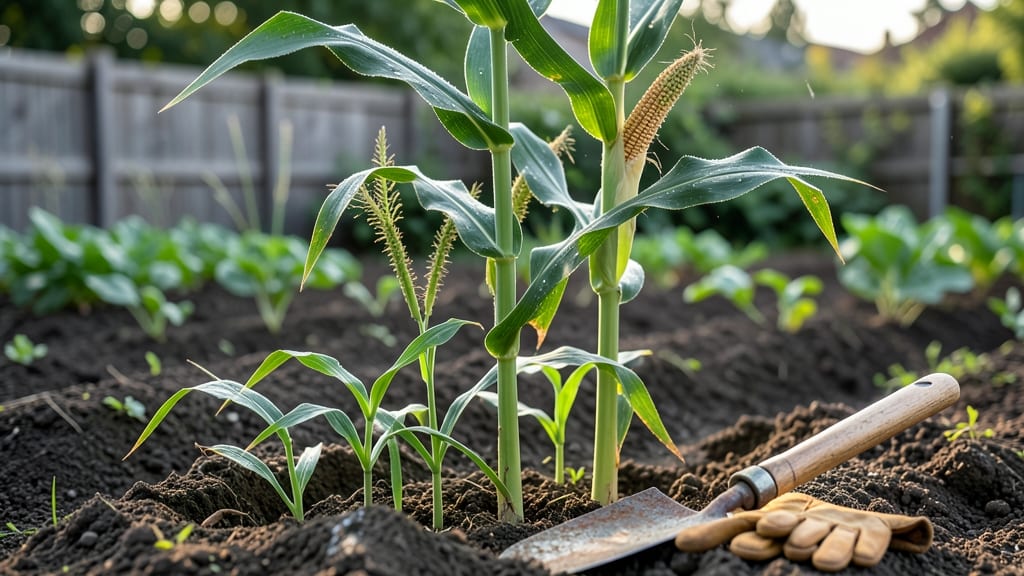
Planting corn in Tennessee at the wrong time can mean the difference between sweet, juicy ears and tough, starchy disappointment—especially when your region spans everything from the humid Delta to the cooler Appalachians.
If you’ve ever wondered why some gardeners swear by mid-April while others wait until early June, the answer lies in your local microclimate. USDA Zones 6a-7b give you a starting point, but soil temperature, frost risk, and even elevation can shift your ideal planting window by weeks.
Let’s break down exactly when to plant 🌽 for peak yields in your corner of the state.
Timing isn’t just about avoiding frost—it’s also about dodging summer heat stress in West Tennessee or ensuring enough daylight for maturity in East Tennessee’s shorter growing season. I’ll show you how to pick the right variety and adjust your schedule based on your specific conditions.
Ready to grow corn that’s tender, flavorful, and bountiful? The key starts with knowing your zone—and when to put those seeds in the ground.
Optimal corn planting dates by Tennessee region (with hardiness zones 6-7)
Tennessee’s three distinct regions—West (Delta), Middle (Cumberland Plateau), and East (Appalachians)—each demand unique corn planting timing to avoid frost damage or summer heat stress.
I’ve broken down the best soil temperature thresholds and frost-free date calculations for each area, so you can plant with confidence. Zone 6a gardeners in the mountains face earlier frosts, while Zone 7b growers in the Delta enjoy longer growing seasons.
Corn thrives when soil temperatures hit 50-60°F—this is your golden window. Use a soil thermometer to check depths of 4-6 inches before planting. In Tennessee, this typically aligns with mid-April to early June, but regional variations make all the difference.
For example, Nashville (Zone 7a) can start planting 2-3 weeks earlier than Chattanooga (Zone 7b) due to elevation differences.
The comparison table below shows exact planting windows, frost-free dates, and ideal soil temps for each region. Bookmark this—it’s your roadmap to maximum corn yields without wasting seeds on failed crops. Pro tip: Plant early varieties in cooler zones (East TN) and heat-tolerant types in the Delta (West TN).
In West Tennessee’s Delta, where humidity and heat dominate, aim to plant by early May to avoid summer drought stress. The Silver Queen variety is a local favorite—it matures in just 70 days, perfect for beating the heat.
Use black plastic mulch to warm soil faster in this region.
For Middle Tennessee’s Cumberland Plateau, like Nashville or Murfreesboro, start seeds indoors in early April and transplant after the last frost. This area’s moderate climate lets you stretch planting into mid-May for a second harvest. Choose drought-tolerant varieties like Ambrosia if your summer brings dry spells.
If you’re gardening in East Tennessee’s Appalachians, delay planting until mid-May to avoid late frosts. Elevations above 2,000 feet (like in the Smokies) can push frost risks into June, so opt for early-maturing varieties like Bodacious (65 days). Test soil temps daily—cool nights here can stall germination.
One common mistake? Planting too early in Zone 6a areas. Corn seeds rot at 40°F or below, so wait until soil hits 50°F minimum. Use a seedling heat mat if you’re eager to start earlier.
For West TN gardeners, prioritize shade cloth during peak summer to protect tender silks from earworm infestations.
Remember: Frost-free dates aren’t set in stone—check your local Cooperative Extension Service for updates. In 2023, East TN saw frosts as late as June 5th, while West TN’s Delta stayed frost-free until March 10th. Adjust your calendar yearly based on these trends.
For succession planting, sow a second crop in late June (West TN) or early July (East TN) using fast-maturing varieties like Peaches & Cream. This ensures fresh ears through October’s first frost. Just beware: late-planted corn often yields smaller ears due to shorter daylight.
Pro tip: Mark your planting dates on a garden calendar with harvest timelines overlaid. For example, if you plant Silver Queen (70 days) on May 1st in West TN, harvest by July 10th. This prevents overlap with second crops and ensures you’re always eating fresh.
Finally, soil prep is non-negotiable. Amend beds with compost and aged manure before planting—corn is a heavy feeder and needs nitrogen-rich soil. In sandy Delta soils, add peat moss to retain moisture, while clay-heavy Appalachian soil benefits from gypsum
Choosing the right planting dates for your corn varieties in Tennessee depends on whether you want a first harvest or a second harvest. Sweet corn (60-90 days) thrives with early planting, while field corn (90-120 days) and popcorn (80-110 days) benefit from staggered schedules to avoid summer droughts or early frosts. In West Tennessee, where summer droughts are common, aim to plant early varieties by mid-April to early May. This ensures harvests before the heat peaks. Meanwhile, East Tennessee gardeners should wait until late April to early May to avoid early frosts that can damage tender seedlings. Here’s a quick guide to adjusting planting dates based on your corn type and harvest goals: For a second harvest, plant late varieties like field corn or popcorn in early June. This strategy works best in West Tennessee, where hotter summers allow for later plantings without frost risk. In East Tennessee, stick to early June for popcorn to ensure it matures before the first frost in October. Always check your soil temperature—corn needs it to be at least 60°F before planting. Use a soil thermometer to avoid delays. If temperatures drop unexpectedly, cover seedlings with row fabric to protect them from cold snaps. Adjust your planting dates based on your local microclimate. Mountain regions may need to plant later, while valley areas can start earlier. Keep an eye on weather forecasts and be ready to adapt!How to adjust planting dates for early vs. late corn varieties in Tennessee
Corn Type
Days to Maturity
Planting Window
Best For
Sweet Corn
60-90 days
Mid-April to early May
First harvest, tender ears
Field Corn
90-120 days
Late April to mid-May
Dry corn, second harvest
Popcorn
80-110 days
Early May to early June
Late-season harvest, storage