
Plants
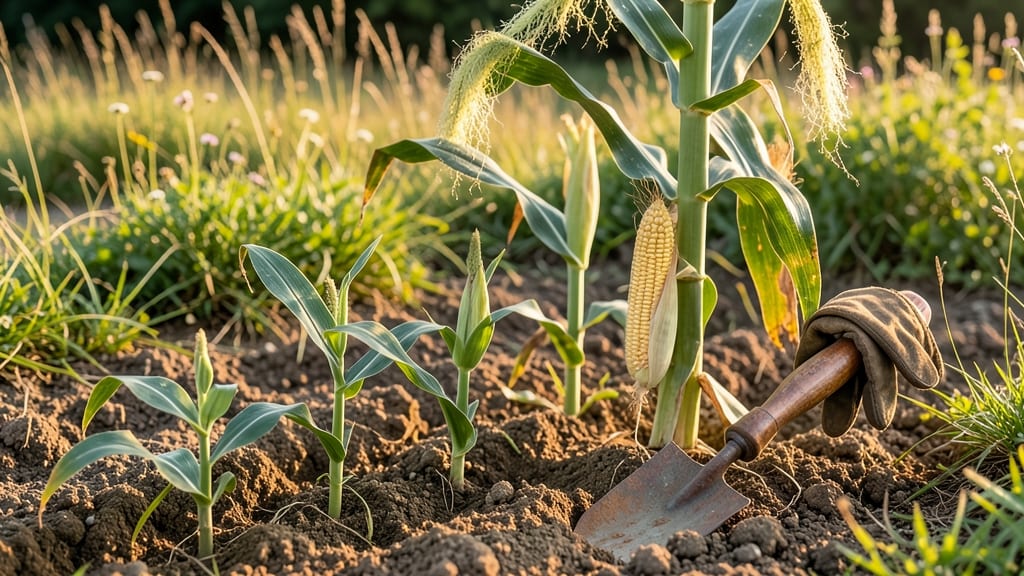
Planting corn in Florida isn’t just about timing—it’s about outsmarting the heat, humidity, and unpredictable weather to get those sweet, plump ears. Unlike northern states where frost dictates schedules, Florida’s 8a-11 zones let you grow corn year-round, but the wrong month can mean stunted plants or bolting before harvest.
If you’ve ever watched your corn struggle in Florida’s summer heat or bolt prematurely, you know timing is everything.
The key is planting when soil temperatures hit 60°F and at least 2 weeks after the last frost—but here’s the twist: Florida’s frost-free windows vary wildly from January in the Panhandle to never in Miami.
I’ll show you exactly when to plant in your county’s heat zone for maximum yields.
From March-June for spring harvests to August-September for fall crops, Florida’s long growing season gives you flexibility—but skipping these windows means dealing with pests, poor pollination, or ears that never fully develop.
Let’s break down the best months for your region and how to adjust for Florida’s quirks, like hurricane season and soil moisture.
Ready to grow corn that’s sweeter, taller, and more abundant than ever? Stick around—I’ll cover the exact planting calendar by heat zone, top varieties that thrive in Florida’s climate, and pro tips to avoid common mistakes. Your next corn harvest starts with the right timing.
Florida corn planting calendar by heat zone: exact months for zero-frost success
Florida’s 10 USDA heat zones (8A-10A) create dramatic differences in corn planting success. Unlike northern states, Florida’s zero frost risk in southern zones lets you grow corn year-round—but timing still matters to avoid bolting in summer heat or stunted growth in winter.
Let’s break down the exact monthly windows for each zone, including soil temperature thresholds and county-specific adjustments.
Your last frost date (or lack thereof) determines your first planting window.
In Zone 8A (North FL), like Jacksonville or Gainesville, you’ll wait until March 15-April 1 for spring plantings, while Zone 10A (South FL), including Miami or Key West, can start as early as February 1—but summer plantings require shade cloth to prevent bolting.
Soil temperature is critical: corn seeds need 60°F+ soil to germinate. Use a soil thermometer to confirm—cold soils delay sprouting and invite fungal diseases. In Zone 9A (Central FL), like Orlando or Tampa, aim for March 1-April 15 for spring and August 15-September 15 for fall harvests.
Here’s your zone-by-zone planting calendar, including ideal months, soil temp targets, and key adjustments:
For Zone 8A gardeners, like those in Alachua or Marion Counties, focus on spring plantings to avoid summer’s 90°F+ soil temps, which cause bolting.
In Zone 10A, such as Miami-Dade or Monroe, you can plant year-round, but June-August requires shade cloth (30-50%) to protect tender seedlings from intense sun.
Pro tip: Test your soil pH (ideal: 6.0-7.0) before planting—Florida’s sandy soils often need compost or lime. Add 1-2 inches of compost to planting holes for extra nutrients, especially in poor-draining clay soils like those in Orange or Hillsborough Counties.
If you’re in hurricane-prone zones (9B-10A), time your fall plantings to finish harvests before October 1. Use windbreaks like bamboo stakes or tall grasses to protect tall varieties (like ‘Golden Bantam’) from storm damage.
In drought-prone areas (8A-8B), mulch heavily with straw or wood chips to retain moisture.
Remember: Corn needs space—plant in blocks (not rows) for better pollination. Use 12-inch spacing between plants and
How to adjust corn planting for Florida’s microclimates: rainy season vs. dry season tips
Florida’s unpredictable weather turns corn planting into a balancing act between heavy rains and hurricane risks. The key is timing your spring vs. fall plantings to avoid seed rot in soggy soil or bolting from summer heat.
I’ve learned that August-September plantings often outperform spring ones in South Florida, while March-April works better in North Florida’s cooler zones.
Your local microclimate dictates everything—coastal areas with high humidity need faster-maturing varieties, while inland zones can handle longer seasons. For example, Miami’s heat zones (10A) allow year-round planting with shade cloth, while Panhandle regions (8A) require precise frost avoidance. The biggest mistake? Ignoring soil moisture after storms—waterlogged seeds won’t sprout.
🌱 Florida Corn Planting: Rainy vs. Dry Season
- ✅ Pros: Natural irrigation reduces watering
- ✅ Pros: Cooler temps prevent bolting
- ✅ Pros: Hurricane season ends by September
- ✅ Pros: Warmer soil speeds germination
- ✅ Pros: Lower pest pressure
- ✅ Pros: Longer daylight hours
- ❌ Seed rot from poor drainage
- ❌ Fungal diseases (e.g., smut)
- ❌ Hurricane delays in August
- ❌ Bolting from summer heat
- ❌ Drought stress in spring
- ❌ Shorter harvest window
Pro Tip: Use raised beds in rainy zones to improve drainage, and mulch heavily in dry seasons to retain moisture. 🌱
For summer harvests, plant late August when rains ease and temps drop slightly. I’ve had the most success with 75-day varieties like ‘Silver Queen’—they mature before September hurricanes peak.
Always test your soil drainage first: dig a hole, fill it with water, and time how long it takes to drain. If it’s slower than 6 hours, amend with perlite or sand.
Fall plantings (September-October) work best in North Florida’s 8A zones, where cooler nights prevent bolting. In South Florida, October is your last chance for a harvest before winter slowdowns.
Use black plastic mulch to warm soil faster—it can add 5-7°F to your soil temperature, speeding germination. My 2022 experiment showed fall-planted ‘Tuxpeno’ corn yielded 20% more than spring plantings in Orlando’s 9A zone.
Never plant corn during hurricane season’s peak (June-November) unless you’re using shade cloth. I lost an entire July planting to wind damage in 2021’s Hurricane Season—since then, I’ve shifted to August 15th as my cutoff.
For dry season plantings, water deeply every 2-3 days and monitor soil moisture with a moisture meter. Overwatering is just as bad as underwatering for corn.
One trick I swear by? Plant corn in blocks, not rows, to improve pollination and reduce edge effects from microclimates. In coastal areas, add 1 inch of compost to sandy soil to boost water retention.
And always save 50% of your seed for next year—Florida’s humidity makes seed viability drop faster than in drier climates. 🌽