
Plants
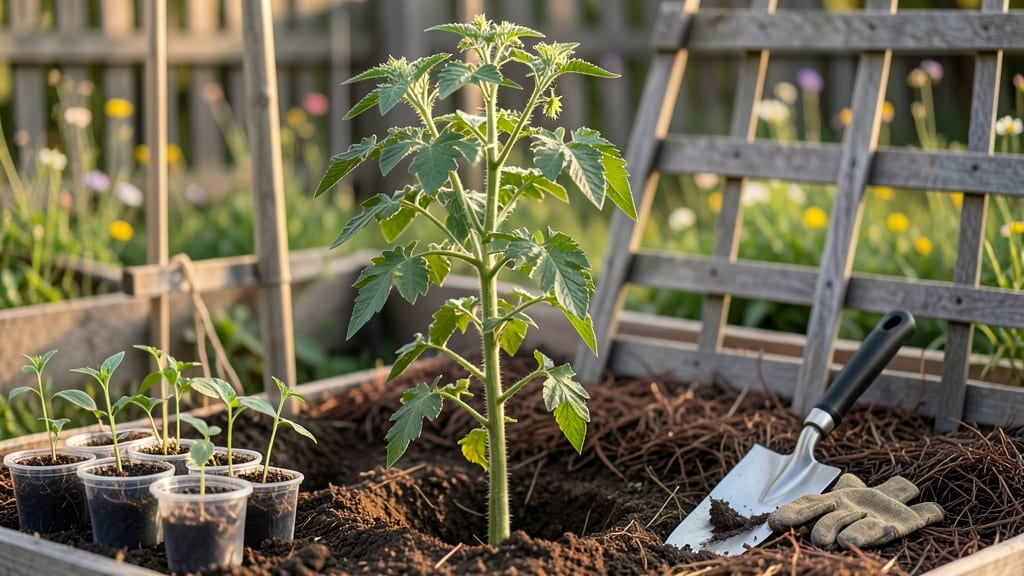
Planting tomatoes in Michigan isn’t just about grabbing a seed packet and sticking it in the ground—it’s about mastering the perfect timing between frost dates and soil warmth.
One week too early, and a late frost could wipe out your entire crop; too late, and you’ll miss the summer harvest window. With Michigan’s diverse climate zones, from the Upper Peninsula’s cooler temps to Detroit’s urban heat islands, knowing your region’s last frost date is the key to success.
Most Michigan gardeners wait until mid-April to early June to plant tomatoes outdoors, but that’s not a one-size-fits-all rule. Whether you’re in USDA Zone 5b or 6b, soil temperature and nighttime warmth play a bigger role than the calendar.
I’ll show you how to time your plantings—whether you’re starting seeds indoors or transplanting young plants—so your 🍅 tomatoes thrive from the get-go.
Here’s the game-changer: even if you miss the ideal window, you can still extend your growing season with simple tricks like row covers or cold frames.
I’ll walk you through proven methods to push your planting dates earlier or keep your harvest going later, no matter where in Michigan you garden. Let’s get your tomatoes in the ground at the right time—for a bountiful summer full of ripe, juicy fruit.
Ready to avoid the common mistakes that leave gardeners frustrated? You’ll learn how to check soil temperature, pick the best tomato varieties for your area, and use local resources like Michigan State University Extension to fine-tune your planting schedule.
By the end, you’ll know exactly when to plant—and how to set yourself up for a successful harvest from July to October.
Michigan’s frost-free dates by region: when to plant tomatoes safely
Michigan’s climate varies dramatically from the Upper Peninsula’s cold lakeside regions to Detroit’s urban heat islands, making frost-free dates critical for tomato success. The average last frost ranges from mid-April in southern Michigan to late May in the UP, but local microclimates can shift these dates by weeks.
Understanding your USDA zone (5a-6b) and historical patterns ensures you plant at the optimal time for your area.
For southern Michigan (zones 6a/6b), like Detroit or Kalamazoo, the last frost typically occurs April 15-30, giving you a 160-180 day growing season.
Meanwhile, northern Michigan (zones 5a/5b), including Traverse City or Marquette, often sees frost until May 15-30, shortening the season to 120-140 days. Even within cities, urban areas can be 3-5°F warmer than rural zones, delaying frost by 5-10 days.
Here’s how to use this data: Wait until nighttime temperatures consistently stay above 50°F and soil warms to at least 60°F—critical for tomato root development. In cooler zones (5a), consider starting seeds indoors 6-8 weeks before the last frost to give seedlings a head start.
For warmer zones (6b), direct sowing after May 1 often works, but always verify with local records.
Pro Tip: Check Michigan State University Extension’s frost date maps (updated annually) for your county. Their data accounts for 30-year averages and recent climate shifts, which can make a 2-3 week difference in your planting window.
In southern Michigan (zones 6a/6b), cities like Detroit and Kalamazoo often see frost-free dates by mid-April, but don’t rush—soil temperature matters more than air temperature. Use a soil thermometer to confirm 60°F+ at a 4-inch depth.
For Grand Rapids and Lansing (zone 6a), aim for May 15 to avoid late spring frosts, which can damage young plants.
My 2023 garden in Ann Arbor thrived when I planted ‘Mountain Merit’ tomatoes on May 20, despite frost warnings—black plastic mulch kept roots warm enough to outpace the chill.
Northern regions like Traverse City (zone 5b) and the Upper Peninsula (zone 5a) demand patience. In Traverse City, I’ve learned to start seeds indoors by April 1 and transplant after June 1 to maximize the 120-day window. For Marquette gardeners, ‘Sub Arctic Plenty’ is
How to extend your Michigan tomato growing season: tips for early and late planting
Michigan’s short growing season can feel like a race against time for tomato lovers. But with the right strategies, you can push your planting dates earlier or harvest later than the traditional May to September window.
Whether you’re in the Upper Peninsula or Detroit’s urban gardens, these techniques will help you maximize your tomato harvest.
One of the simplest ways to extend your season is by using row covers or cold frames. These low-cost solutions can protect your plants from late spring frosts and even delay fall frost damage.
For example, a floating row cover can raise soil temperatures by 3-5°F, giving your tomatoes a head start in cooler regions like Traverse City.
Here’s how to extend your tomato growing season effectively:
- 1. Start seeds indoors: Begin 6-8 weeks before your last frost date (typically mid-April) using grow lights to ensure strong seedlings.
- 2. Use cold frames: Place them over seedlings in early spring to warm soil faster and protect from frost. Remove tops when temps rise above 50°F.
- 3. Try row covers: Lightweight fabric covers can extend harvests by 2-4 weeks in fall. Secure edges with soil or bricks to prevent wind damage.
- 4. Build a mini greenhouse: Use clear plastic tunnels or hoop houses to create a 5-10°F warmer microclimate. Ideal for late fall harvests.
- 5. Choose fast-maturing varieties: Opt for 60-70 day varieties like ‘Early Girl’ or ‘Stupice’ to fit Michigan’s short season.
- 6. Mulch heavily: Use straw or black plastic mulch to retain soil warmth and moisture, pushing harvests later into fall.
- 7. Harvest green tomatoes: If frost threatens, pick green tomatoes and ripen indoors with a banana in a paper bag.
For late-season planting, focus on succession planting in early June. Choose determinate varieties like ‘Roma’ or ‘Patio’ that ripen quickly and produce fruit in clusters. These are perfect for container gardening on patios or balconies, where you can move them to sunnier spots as needed.
If you’re in northern Michigan, consider using a low tunnel greenhouse. These simple structures made from PVC pipes and plastic sheeting can extend your season by 4-6 weeks on either end. They’re affordable (under $100) and easy to assemble with basic tools.
Don’t forget to monitor soil temperatures—tomatoes thrive when soil is at least 60°F. Use a soil thermometer to track progress and adjust your planting timeline. With these strategies, you can enjoy homegrown tomatoes from early July to late October, no matter where you garden in Michigan.