
Companion Plants
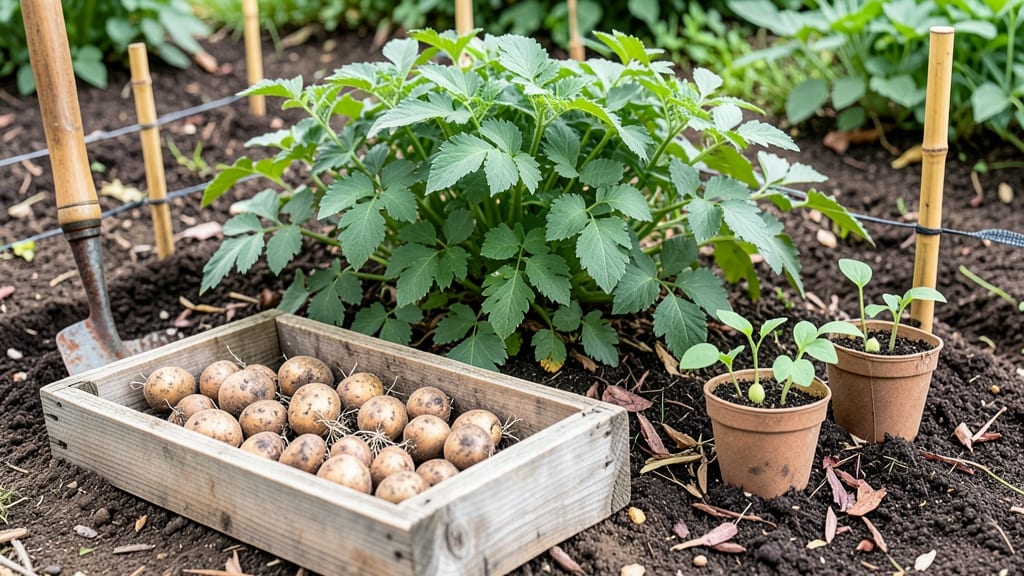
Timing when can I plant potatoes in Zone 7 can make or break your harvest—getting it wrong by just a few weeks might leave you with frost-nipped 🥔 sprouts instead of a pantry full of spuds.
Most gardeners in Zone 7 (where last frosts hit around March 15–April 1) rush to plant too early, only to watch their seedlings turn to mush when temperatures dip. The key? Planting 4–6 weeks before your last frost date—but not so early that cold soil stunts their growth.
In this guide, I’ll break down the exact planting windows for Zone 7, including soil temperature tricks, variety-specific tips, and how to adjust for your local microclimate. Whether you’re a first-timer or a seasoned grower, these insights will help you avoid common mistakes and maximize your yield.
Ready to dig in? Let’s get your potatoes in the ground at the perfect time—so you can enjoy homegrown harvests all summer long.

Zone 7 potato planting dates: exact weeks & frost risk timeline
Timing your potato planting in Zone 7 is all about balancing frost risk with soil warmth. Plant too early, and a late frost will kill your seedlings.
Wait too long, and you’ll miss the 90-day harvest window before fall frosts arrive. The key? Understanding your USDA subzone (7a vs. 7b) and adjusting for local microclimates.
In Zone 7a (colder), your last average frost date is around March 15, while Zone 7b (warmer) typically sees its last frost by April 1. However, these are just averages—your actual frost dates can vary by 2-3 weeks depending on elevation and weather patterns.
That’s why I recommend using a frost risk calculator (like the National Weather Service’s tool) to refine your timeline.
| Planting Window | Average Last Frost Date (Zone 7) | Soil Temp Requirement (°F) | Best Varieties for This Window | Frost Risk Level |
|---|---|---|---|---|
| Early Spring (Chitted Potatoes) | March 1–15 (Zone 7a) / March 15–30 (Zone 7b) | 45–50°F (7–10°C) | Yukon Gold, Red Pontiac, Early Rose | High (late frosts common) |
| Mid-Spring (Standard Planting) | April 1–15 (Zone 7a) / April 1–30 (Zone 7b) | 50–55°F (10–13°C) | Kennebec, Russet Burbank, Fingerling | Moderate (stable warming) |
| Late Spring (Extended Season) | May 1–15 (Zone 7a/b) | 55–60°F (13–16°C) | Adirondack Blue, Purple Viking, German Butterball | Low (frost unlikely) |
| Fall Planting (Cool-Season Varieties) | September 1–15 (Zone 7b) / September 15–30 (Zone 7a) | 50–55°F (10–13°C) | Red Norland, Irish Cobbler, Goldrush | Moderate (early fall frosts) |
| Emergency Planting (Row Covers) | April 16–30 (if frost-free forecast) | 45°F+ (7°C+) | Any early variety with protection | High (use frost cloth) |
Note: Adjust dates based on your local frost history. Check USDA frost maps for precision.
For Zone 7a, aim to plant your early varieties (like Yukon Gold) by March 15 to harvest by early summer. In Zone 7b, you’ve got a little more flexibility—planting mid-April works well for standard varieties like Kennebec.
The goal is to have tubers ready to harvest before the first frost, which in Zone 7 typically hits around November 15 (7a) or October 30 (7b).
Pro tip: Use chitting (pre-sprouting seed potatoes) to jumpstart growth. Place your seed potatoes in a cool, bright spot (like a sunny windowsill) 4–6 weeks before planting. This gives you a 2–3 week head start on the season, reducing frost risk for early plantings.
If you’re in a high-elevation area within Zone 7, your frost dates may shift earlier. For example, areas like Roan Mountain, NC (Zone 7a) can see frosts as late as May 1, while Atlanta, GA (Zone 7b) rarely sees frost after April 15.
Always check your local cooperative extension service for hyper-local advice.
For late-season varieties (like German Butterball), you can push planting to early May in Zone 7b, but be prepared to use row covers if temperatures dip. These varieties take 90–100 days to mature, so timing is critical to avoid fall frosts.
Don’t forget about fall planting! In Zone 7b, you can plant cool-season varieties like Red Norland as early as September 1 for a winter harvest. These potatoes thrive in cooler temps and can even overwinter in well-drained soil. Just harvest before the ground freezes.
How to adjust planting dates for Zone 7’s microclimates & variety needs
Zone 7’s diverse microclimates can shift your potato planting window by 3-4 weeks, depending on whether you’re in a rural valley or an urban heat island. Elevation alone can delay frost by 10-14 days per 1,000 feet gained—so adjust your schedule if you’re gardening on a hillside.
For example, Charlottesville, VA (Zone 7a) might see last frosts in mid-April, while Atlanta, GA (Zone 7b) could plant safely by early March.
Your potato variety also dictates timing: Early maturing varieties like ‘Yukon Gold’ (60-70 days) can handle late starts, while late bloomers such as ‘Russet Burbank’ (90+ days) need 6-8 weeks of frost-free growth to fully mature.
Pairing the right variety with your microclimate ensures you avoid both frost damage and overripe tubers.
Urban areas (5-10°F warmer than rural zones), south-facing slopes (warmer by 2-3 weeks), and water bodies (delay frost by 7-10 days) all demand adjustments. Use a soil thermometer to confirm 45°F before planting.
Pre-sprouting (chitting) your seed potatoes in bright light (60°F+) for 2-3 weeks before the last frost lets them emerge faster. This buys 14-21 days of growth before cold snaps hit—critical for Zone 7a gardens with late springs.
Use floating row covers (like Agribon 30) to extend planting by 3-4 weeks in early spring. For late frosts, hoop houses with Reemay fabric add 10°F protection—ideal for late-maturing varieties.
For Zone 7b, try ‘Kennebec’ (85 days) or ‘Red LaSoda’ (90 days). In Zone 7a, opt for ‘Adirondack Blue’ (70 days) or ‘Purple Viking’ (80 days)—both tolerate cooler soils and shorter seasons.
To extend your growing season, try black plastic mulch or straw bales to warm soil 5-7°F faster than bare earth. In urban gardens, raised beds heat up 2-3 weeks earlier than in-ground plots.
For late starts, choose determinate varieties (like ‘Katahdin’) that mature uniformly, reducing the risk of uneven harvests.
If you’re planting in fall, aim for 6-8 weeks before the first frost (typically late September-October in Zone 7). Use early-maturing varieties (50-60 days) like ‘Norland’ or ‘Red Pontiac’ to ensure tubers bulk up before cold sets in.
Always harvest before the ground freezes—even hardy varieties suffer if left in frozen soil.
Pro tip: Track your local frost-free days using the Almanac’s Frost Calculator. In Zone 7a, you’ll likely have 180-200 frost-free days, while Zone 7b can stretch to 210+ days. Plan your second planting (if space allows) for mid-June to harvest in late August-September.