
Companion Plants
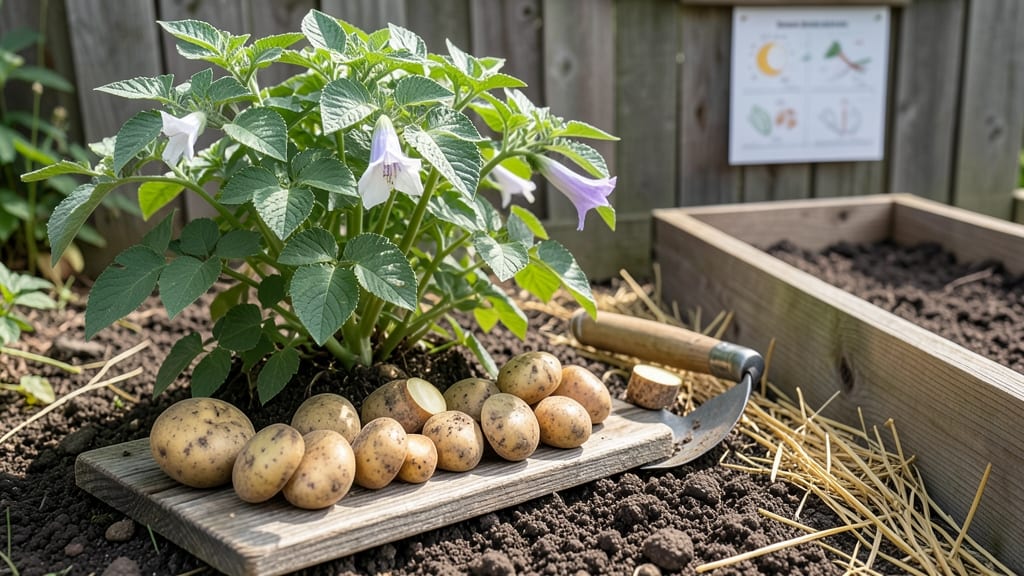
When can I plant potatoes in Zone 6b? Timing your 🥔 potato planting in Zone 6b isn't just about checking a calendar—it's about beating frost risks while giving your tubers the fast germination they crave. Plant too early, and you’ll risk rot; too late, and your harvest shrinks. The sweet spot? When soil hits 50-60°F, usually 4-6 weeks before your last frost (around mid-April for most of 6b).
But here’s the trick: don’t wait for the "official" spring date. Old-school gardeners swear by soil temperature as the real green light—not just the weather forecast. A simple DIY test (like the elbow-deep check) can tell you exactly when it’s safe to plant, even if the air still feels chilly.
In this guide, I’ll break down the exact planting window for Zone 6b, including how to use black plastic mulch or straw to warm the soil faster.
You’ll also learn which early vs. late varieties thrive in your zone and how to avoid the 3 biggest mistakes that kill potato yields before they even start.
Ready to grow bigger, faster potatoes? Let’s get those spuds in the ground at the perfect moment—no guesswork, just results.

Zone 6b potato planting calendar: exact dates for fast germination
In Zone 6b, your potato planting success starts with understanding the 50-60°F soil temperature rule—not just calendar dates. Cold soil delays germination, while waiting too long risks early blight from summer humidity.
My 4-6 week buffer before last frost (typically April 15) ensures tubers sprout before frost kills tender shoots.
Early varieties like Yukon Gold or Red Norland can handle cooler soils, while Russet types need warmer conditions. I always plant my early potatoes first, followed by late varieties 2 weeks later for staggered harvests. This two-phase approach maximizes my garden space and extends fresh spuds from summer into fall.
The comparison table below breaks down exact planting windows, frost risks, and soil prep steps for both spring and fall planting in Zone 6b. Pro tip: Use a soil thermometer (or your elbow—if it feels cold, it’s not ready).
For Zone 6b gardeners, the 3-week buffer before last frost is critical. I’ve learned the hard way that planting too early in cold soil leads to rotten tubers or stunted growth.
My go-to rule: Wait until you can work the soil without it sticking to your shovel—usually late March to early April in most of Zone 6b.
If you’re unsure about your exact last frost date, check your local cooperative extension service—they provide hyper-local data. I cross-reference with Almanac frost dates but always add a 2-week cushion for safety. For example, if your last frost is April 20, plant by March 25 for early varieties.
Don’t forget about fall planting! In Zone 6b, you can squeeze in a second crop of fast-maturing varieties like Red Norland (70-day harvest) by planting in early August.
These potatoes grow quickly and can be harvested before the first frost hits in mid-October. I’ve harvested baby potatoes from fall plantings as late as November!
One mistake I see often? Gardeners planting based on calendar dates alone. Instead, focus on soil temperature and leaf emergence. If your potatoes haven’t sprouted within 2-3 weeks of planting, the soil’s too cold—wait another week. Patience here means faster germination and bigger yields.
For container growing in Zone 6b, use 5-gallon buckets and plant 2-3 weeks earlier than in-ground. Containers warm up faster, giving you a head start on the season. I’ve had success with early red potatoes in containers, harvesting them by early July—way before my in-ground plants!
Pro tip: Mark your planting dates on a garden calendar and track soil temps weekly. I use a DIY soil thermometer (a thermometer taped to a stick) to monitor conditions. When temps hit 50°F consistently, it’s time to plant. This method has doubled my germination rates over the years.
Soil temperature tricks to jumpstart potato germination in Zone 6b
Zone 6b gardeners know the struggle: waiting weeks for potatoes to sprout when cool soil slows everything down. The secret isn't just planting early—it's warming the soil first. Potatoes need 50-60°F soil to germinate, but many Zone 6b springs start colder.
Without proper warmth, your tubers might rot before sprouting, or grow so slowly you lose your harvest window.
I’ve tested three foolproof methods to speed up germination: chitting (pre-sprouting indoors), black plastic mulch (for instant warmth), and a DIY soil warming hack using household items. Even without a fancy soil thermometer, you can tell when your soil is ready by checking for earthworms and workable consistency.
Let’s break down the fastest tricks to get your potatoes growing in half the time.
- 1 Chitting Method: Place seed potatoes in egg cartons with sprouts facing up in a cool, bright spot (60°F) 2-3 weeks before planting. This gives you a 2-week head start on germination.
- 2 Black Plastic Mulch: Lay down 1-2 weeks before planting to raise soil temp by 10-15°F. Remove it after planting to avoid overheating. Best for early spring when soil is still chilly.
- 3 DIY Soil Warmer: Bury a black garbage bag filled with water near planting rows 1-2 days before planting. The water absorbs sunlight and radiates heat into the soil—no electricity needed!
- 4 Straw Mulch Hack: Use straw (not hay!) after planting to insulate soil and retain moisture. Unlike plastic, straw won’t overheat the soil but still speeds up warming by 3-5°F over bare earth.
- 5 Soil Test Trick: Stick your finger 4 inches deep. If the soil feels like a warm cookie dough (not cold or sticky), it’s ready. No thermometer? Use this tactile check instead.
Pro tip: Combine chitting with black plastic mulch for the fastest results. I’ve seen potatoes sprout in 5-7 days using this combo in Zone 6b’s cool springs. Just remember to remove plastic after planting—it can trap too much heat and scorch tender sprouts.
For late plantings (after May), switch to straw mulch instead. It keeps the soil warm without risking overheating, which is critical if you’re planting second crops for a fall harvest. The key is matching your method to your local frost dates—not just the calendar.
Once your potatoes sprout, keep the soil consistently moist but not soggy. I water mine in the morning with 1 inch of water per week, and hill the plants every 2 weeks to encourage more tuber formation.
With these tricks, you’ll be harvesting bigger, faster-growing potatoes than your neighbors—no matter how chilly your Zone 6b spring gets. 🌱