
Companion Plants
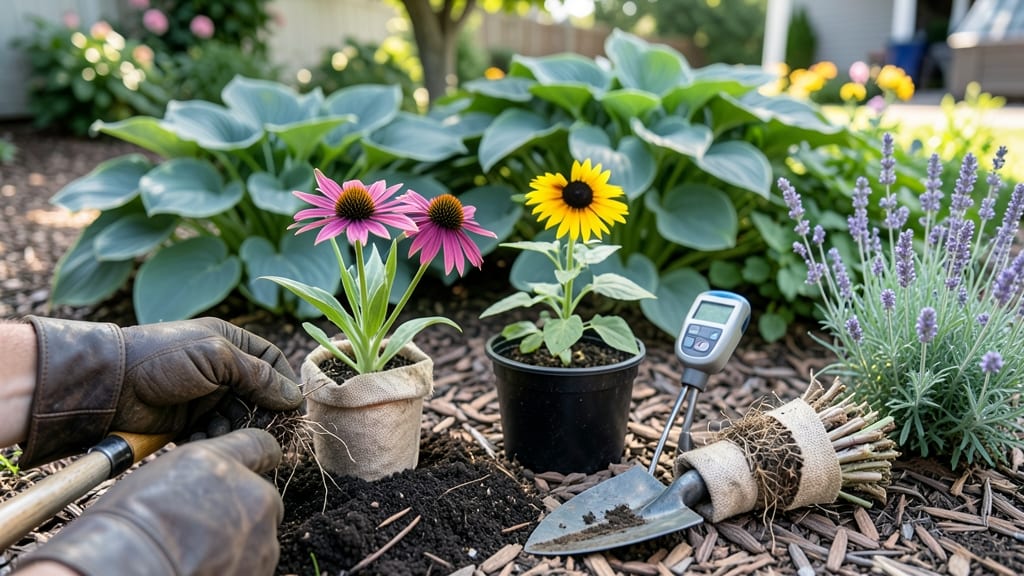
Planting perennials in Zone 6 at the wrong time can mean the difference between a thriving garden and struggling 🌱 plants that never quite take off.
The key isn't just about throwing seeds into the ground—it's about understanding the exact windows when your soil is warm enough and the frost has passed for strong root development.
For most gardeners in Zone 6 (General), the ideal planting window opens in early spring, typically after your last frost date around mid-April.
But here's the catch: rushing too early can leave your perennials vulnerable to cold snaps, while waiting too long might stunt their growth before summer heat sets in.
I’ve tested different planting strategies over the years, and what I’ve learned will help you avoid common mistakes. Whether you're working with bare-root plants or containers, timing is everything—and I’ll show you exactly when to plant for the best results.
Let’s dive into the science behind Zone 6’s frost-free days and how to use that information to give your perennials the strongest possible start. You’ll walk away with a clear timeline, soil prep tips, and even adjustments for microclimates that can shift your planting by weeks.

Zone 6 last frost dates: exact weeks before planting perennials for success
In Zone 6, knowing the last frost date is critical for planting perennials with strong roots and vibrant blooms. The average last frost date ranges from April 15 in northern regions to May 1 in southern areas, but microclimates can shift this by 2-4 weeks.
Urban areas often warm faster than rural spots due to concrete and pavement, so adjust your timing accordingly.
For most herbaceous perennials, aim to plant 4-6 weeks before your area's last frost date. This gives roots time to establish before summer heat arrives. Woody perennials like shrubs and trees can handle slightly later planting—2-4 weeks after the last frost—since their root systems are more resilient.
Here’s how to use this frost date guide for your garden. Check your local USDA Zone 6a or 6b and adjust for urban heat islands or sheltered valleys. For example, if your last frost is April 30, plant late March for early bloomers like coneflowers or black-eyed Susans.
| Region | Avg. Last Frost | Weeks Before Planting | Ideal Planting Window | Microclimate Adjustment |
|---|---|---|---|---|
| Northern Zone 6a (e.g., Chicago, Buffalo) | April 15 | 4-6 weeks | Late March - Early April | Urban: 1-2 weeks earlier; Rural: 1 week later |
| Central Zone 6 (e.g., Columbus, Indianapolis) | April 22 | 3-5 weeks | Mid-March - Late April | Urban: 1 week earlier; Rural: 1 week later |
| Southern Zone 6b (e.g., Nashville, Richmond) | May 1 | 2-4 weeks | Late March - Early April | Urban: 10 days earlier; Rural: 10 days later |
| Mountainous Areas (e.g., Appalachians) | May 10 | 5-7 weeks | Early April - Mid-May | Valleys: 1 week earlier; Peaks: 2 weeks later |
If you’re planting tender perennials like lavender or Russian sage, wait until 2 weeks after the last frost to avoid cold snaps. These plants thrive in heat but struggle with late frosts.
For cold-hardy perennials like hostas or heucheras, you can plant as early as 2-3 weeks before the last frost in sheltered microclimates.
Always check the soil temperature—it should be at least 60°F for most perennials to establish roots.
Use a soil thermometer or press your finger into the soil; if it’s cool and damp, wait a few more days. Mulching with 2-3 inches of straw after planting helps retain moisture and regulate soil temperature.
For fall planting, aim for 6-8 weeks before the first frost (typically October 15 in Zone 6). This gives roots time to establish before winter dormancy. Daylilies and sedum are excellent choices for fall planting—they thrive with cooler temperatures and bloom beautifully the following year.
Urban gardeners should account for the heat island effect, which can warm soil by 5-10°F compared to rural areas. If your garden is surrounded by pavement or buildings, plant 1-2 weeks earlier than the table suggests.
Conversely, if your garden is in a low-lying area or near a large body of water, delay planting by 1 week to avoid late frosts.
Monitor your local weather forecasts for 3-5 days before planting to catch any unexpected cold snaps. If frost is predicted, cover young plants with frost cloth or row covers for extra protection.
With the right timing and adjustments, your Zone 6 perennials will establish strong roots and reward you with vibrant blooms all season long.
Best perennials to plant in Zone 6 by season: spring vs. fall planting guide
Choosing the right time to plant perennials in Zone 6 can make the difference between a thriving garden and wasted effort. Spring and fall offer distinct advantages depending on the type of perennial—whether it's woody shrubs or herbaceous flowers.
Cold-hardy varieties like coneflowers and black-eyed Susans can handle early spring planting, while heat-sensitive hostas and peony thrive when planted in fall.
In Zone 6, spring planting typically begins after the last frost date (around mid-April), giving plants 6-8 weeks to establish roots before summer heat. Meanwhile, fall planting (late August to October) allows roots to grow undisturbed during cooler months, reducing transplant shock.
Let's break down the best options for each season to maximize your garden's success.
Woody perennials—like shrubs and small trees—often perform better when planted in early spring or fall. Their deep root systems benefit from cooler temperatures, while herbaceous perennials (e.g., daylilies or lavender) can handle both seasons but prefer spring planting for earlier blooms. Always check the USDA hardiness zone of specific varieties to avoid frost damage.
| Perennial Type | Best Planting Season | Why It Works | Zone 6 Timing |
|---|---|---|---|
| Woody Perennials (Shrubs) | Spring or Fall | Deep roots establish in cool soil | April-May or Sept-Oct |
| Herbaceous Perennials (Flowers) | Spring (Preferred) | Faster bloom time; avoids winter stress | April-June |
| Heat-Sensitive (Hostas, Peonies) | Fall | Cooler temps reduce transplant shock | Aug-Sept |
| Drought-Tolerant (Lavender, Sedum) | Spring or Early Fall | Establishes before summer drought | April or Sept |
| Bulbous Perennials (Daylilies, Iris) | Spring | Avoids winter heaving in frozen soil | April-May |
For spring planting, focus on cold-hardy perennials like coneflowers or Russian sage, which can tolerate light frosts.
These thrive when planted 4-6 weeks before the last frost date, giving roots time to anchor before summer heat. Mulch heavily after planting to retain moisture and protect young roots from temperature swings.
Fall planting is ideal for heat-sensitive varieties such as hostas or peony, which benefit from 6-8 weeks of root growth before winter dormancy. Plant in late August to early October, ensuring the soil remains workable but not frozen.
Water deeply before the first hard frost to encourage root development.
Pro tip: Always amend your soil with compost before planting, regardless of season. Zone 6 gardens often have clay-heavy soil, so adding organic matter improves drainage and nutrient availability. Test your soil's pH level—most perennials prefer a slightly acidic to neutral range (6.0-7.0).