
How To
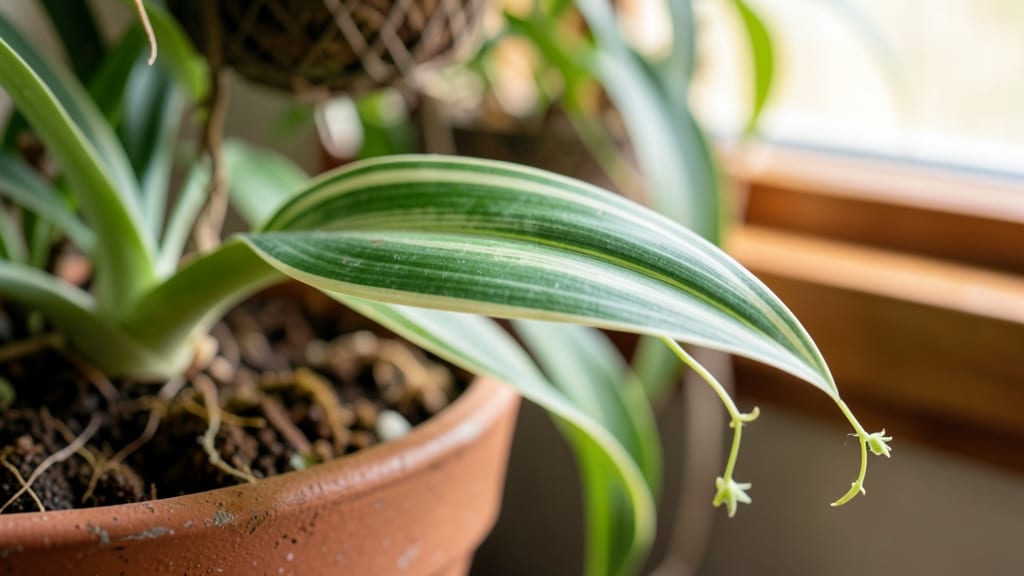
Wondering how much light your 🕷️ spider plant really needs to thrive? The answer isn’t just about placing it near a window—it’s about finding that sweet spot between too little and too much, which can mean the difference between vibrant growth and crispy brown tips.
Spider plants are famously forgiving, but they still crave bright indirect light for 4-6 hours daily. Too little light, and they’ll stretch out weakly; too much direct sun, and those pretty leaves will scorch. The key is understanding how your home’s lighting plays into their care routine.
In this guide, I’ll break down exactly how to spot the perfect light conditions for your plant—whether you’re dealing with a dim corner, a sunny south-facing window, or even artificial grow lights.
You’ll learn how to adjust placement by season and recognize the subtle signs that your spider plant is begging for more (or less) light.
By the end, you’ll have a clear plan to give your 🕷️ spider plant the ideal light it craves, so it keeps growing lush and full year-round. Let’s get started!

Spider plant light requirements: ideal hours and intensity for healthy growth
Your spider plant (Chlorophytum comosum) thrives on bright indirect light, but getting the balance right can feel tricky. Too little light leads to weak, sparse growth, while too much causes leaf burn.
The key is understanding how light intensity and duration change as your plant matures—juvenile plants need gentler conditions than their mature counterparts.
For most homes, 4-6 hours of indirect sunlight daily is ideal, but this varies by season and window direction. East-facing windows provide soft morning light, while north-facing windows offer consistent, gentle exposure.
South or west windows can deliver harsh afternoon rays, which should be filtered through a sheer curtain to prevent damage.
| Plant Stage | Light Type | Ideal Hours/Day | Distance from Window | Signs of Stress |
|---|---|---|---|---|
| Juvenile (0-6 months) | Bright indirect light | 3-4 hours | 3-5 feet from east/north window | Pale leaves, slow growth |
| Mature (6+ months) | Bright to medium indirect light | 4-6 hours | 2-4 feet from east/north window | Brown tips, crispy edges |
| Variegated varieties | Bright indirect light | 5-6 hours | 2-3 feet from east window | Reverted green leaves |
| Low-light tolerance | Low indirect light | 2-3 hours | 5+ feet from window | Leggy stems, sparse foliage |
| Direct sunlight | Avoid direct sun | 0 hours | N/A | Yellow/brown leaf patches |
Mature spider plants can handle slightly more light than juveniles, but never direct sun. If your plant is 6+ months old and showing signs of outgrowing its spot, rotate it quarter-turn weekly to ensure even light exposure.
This prevents uneven growth or lopsided foliage, which often happens when one side gets more sun.
Winter months reduce natural light, so supplement with a grow light if your spider plant starts looking leggy or pale. Place the light 12-18 inches above the plant and use it for 12-14 hours daily.
LED grow lights with a 5000-6500K color temperature mimic natural daylight and work best for indoor spider plants.
Watch for early warning signs of light issues: Brown tips on leaves usually mean too much direct sun, while yellowing leaves or weak stems signal insufficient light.
Adjust placement immediately—spider plants recover quickly when moved to the right conditions, but prolonged stress can stunt growth or attract pests like spider mites.
For variegated spider plants, prioritize bright indirect light to maintain their striped patterns. These varieties need slightly more light than solid-green types to prevent leaf reversion (when white stripes turn fully green). Place them near an east-facing window or under fluorescent grow lights for 5-6 hours daily.
If you’re unsure about your home’s light conditions, try the "shadow test": Place a white piece of paper near your plant’s spot for a few hours. If the shadow is sharp and dark, the light is too harsh.
If it’s soft and faint, your spider plant will thrive there. This simple trick saves time and prevents light-related damage.
Seasonal adjustments are key—summer sunlight is more intense, so move your plant further from windows or use sheer curtains to diffuse rays. In winter, when days are shorter, supplement with artificial light or rotate pots to different windows to maximize exposure.
With these tweaks, your spider plant will stay lush and vibrant year-round.
Remember, spider plants are forgiving—they’ll survive in low-light conditions, but they’ll thrive with the right balance. Start with bright indirect light, monitor for stress signals, and adjust gradually. Your plant will reward you with long, arching leaves and abundant spiderettes in no time!
How to adjust light for spider plant varieties: variegated vs. solid-leaf care
Not all spider plants are created equal when it comes to light needs. The variegated varieties, like Chlorophytum comosum 'Variegatum' with its striking white stripes, require more light than their solid-green counterparts.
This is because the white tissue can't photosynthesize efficiently, forcing the plant to compensate by absorbing more light overall. Meanwhile, solid-leaf varieties like Chlorophytum comosum 'Vittatum' handle lower light better, making them perfect for dimmer corners.
The key difference lies in how each variety absorbs light. Variegated plants need 4-6 hours of bright indirect light daily to maintain their vibrant stripes, while solid-leaf types thrive in 2-4 hours of indirect light.
Without enough light, variegated plants lose their white patterns and revert to all-green leaves—a sure sign they're struggling. This distinction is crucial for keeping your spider plant's unique characteristics intact.
Variegated vs. Solid-Leaf Spider Plant Light Needs
Variegated Varieties (e.g., 'Variegatum')
- ✅ Needs 4-6 hours bright indirect light
- ✅ Maintains white stripes with proper light
- ✅ Grows slower in low light but recovers faster
- ✅ Best for east or south-facing windows
Solid-Leaf Varieties (e.g., 'Vittatum')
- ✅ Thrives in 2-4 hours indirect light
- ✅ Tolerates lower light without reverting
- ✅ Grows faster in moderate light
- ✅ Ideal for north-facing windows
Light Adjustment Tip: Rotate pots quarter-turn weekly to prevent uneven growth from one-sided light.
For variegated spider plants, I recommend placing them near east-facing windows where they get gentle morning sun without harsh afternoon rays. If your home lacks natural light, supplement with a grow light 12-18 inches away for 6-8 hours daily.
Solid-leaf varieties are far more forgiving—even a north-facing window or fluorescent bulb works well for them.
Watch for uneven growth patterns as a sign your plant needs rotation. If one side of the foliage stretches toward the light while the other stays compact, it's time to turn the pot.
This is especially important for variegated types, where uneven light exposure can cause the stripes to darken on shaded sides. A simple weekly quarter-turn keeps growth balanced and the variegation vibrant.
Seasonal adjustments matter too. In winter, when daylight shortens, move variegated plants closer to windows or extend grow light hours by 1-2 hours. Solid-leaf varieties handle winter light better but may still need a 10-20% increase in light exposure during cloudy months.
Always check soil moisture—dry soil in low light stresses plants more than dim conditions alone.
Remember: Too much light causes brown tips, while too little leads to pale, elongated leaves. The goal is consistent medium light—bright enough to support growth but never scorching. With these adjustments, both variegated and solid-leaf spider plants will reward you with lush, healthy foliage all year round.