
How To
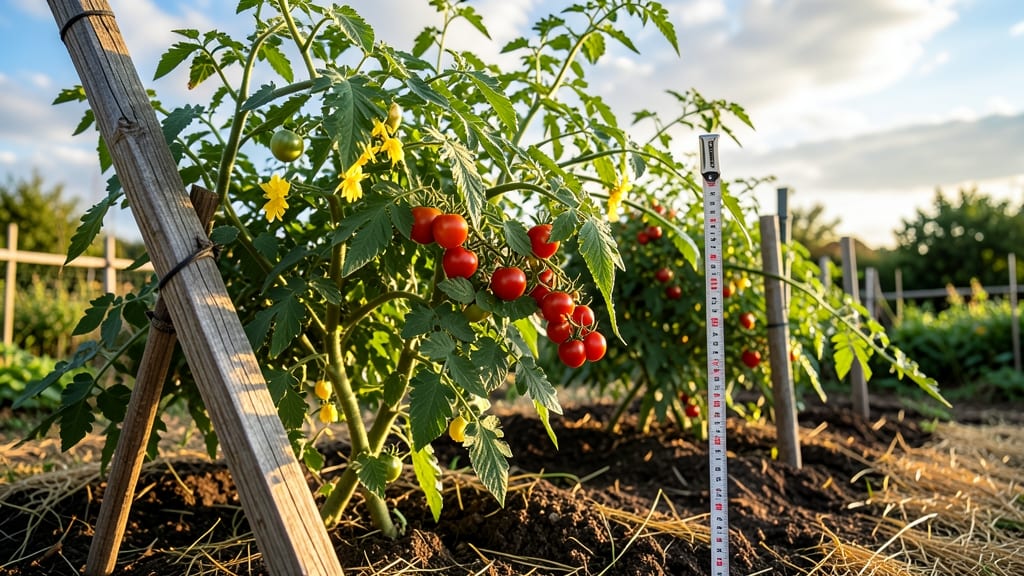
If you’ve ever wondered how tall a tomato plant will grow before planning your garden layout, the answer might surprise you. Some varieties stay compact enough for window boxes, while others climb like vines toward your porch ceiling—sometimes reaching heights that make ladders necessary!
Understanding the difference between determinate (bush) and indeterminate (vining) tomatoes is the key to predicting their growth. Determinate types top out at 3-5 feet, perfect for containers or small spaces, while indeterminate varieties can stretch to 10 feet or more if given the right support.
Your choice of variety—and how you train it—will determine whether you’re dealing with a manageable shrub or a sprawling giant.
But height isn’t just about space—it’s also about yield and care. A taller tomato plant might produce more fruit, but it’ll need sturdy cages, trellises, or regular pruning to stay healthy.
I’ll show you how to match your plants to your garden’s layout, so you can maximize both space and harvest without turning your backyard into a jungle.
Ready to pick the perfect 🍅 for your garden? Let’s break down the heights, support needs, and pro tips to keep your plants thriving—no guesswork required.

Tomato plant height by variety: dwarf to vining giants
Choosing the right tomato variety can transform your garden layout—whether you have a tiny balcony or a sprawling backyard. Some varieties stay compact, while others grow like jungle vines, reaching heights that might surprise you.
Understanding these differences helps you plan space, support, and even harvest strategies. Let’s explore the spectrum from dwarf tomatoes to vining giants, so you can pick the perfect fit for your growing space.
The height of a tomato plant depends on two key factors: genetics (determinate vs. indeterminate) and growing conditions. Determinate varieties grow to a fixed height and produce fruit all at once, while indeterminate types keep growing and fruit continuously.
If you’re short on vertical space, dwarf varieties like 'Tiny Tim' are ideal, but if you love trellises, indeterminate types like 'Sungold' will climb for months. Let’s break down the options.
| Variety | Type | Mature Height | Best For | Support Needed |
|---|---|---|---|---|
| Tiny Tim | Determinate | 12-18" | Containers, small spaces | None or small cage |
| Patio | Determinate | 18-24" | Balconies, raised beds | Small stake or cage |
| Celebrity | Determinate | 36-48" | In-ground gardens | Cage or stake |
| Sungold | Indeterminate | 6-10 ft | Trellises, vertical gardens | Strong trellis or stakes |
| Brandywine | Indeterminate | 8-12 ft | Heirloom gardens, trellises | Heavy-duty support |
| Cherry Tomato (Sweet 100) | Indeterminate | 4-6 ft | Hanging baskets, cages | Cage or trellis |
Dwarf varieties like 'Tiny Tim' and 'Patio' are perfect for containers or small spaces, rarely exceeding 2 feet in height. These determinate tomatoes produce fruit in clusters at the top of the plant, making them ideal for quick harvests.
If you’re growing in pots, choose these varieties to avoid overcrowding. Their compact size also means less risk of disease spreading from wet foliage, which is a bonus for beginners.
Mid-height varieties, such as 'Celebrity', strike a balance between space efficiency and yield. They typically reach 3-4 feet and thrive in traditional garden beds. These determinate plants are great for gardeners who want a manageable height without sacrificing productivity.
Just be sure to provide a cage or stake early in the season to support their weight as they bear fruit.
Indeterminate varieties like 'Sungold' and 'Brandywine' are the vining giants of the tomato world, capable of reaching 10 feet or more with proper support. These plants grow continuously throughout the season, producing fruit until the first frost.
If you love vertical gardening, indeterminate tomatoes are a game-changer—they save space and create stunning focal points in your garden. However, they require strong trellises or stakes to handle their weight and prevent breakage.
For <
How to support tall tomato plants: cages, trellises, and staking tips
Tall tomato plants need proper support to thrive, especially when they reach 6+ feet or more. Without the right structure, your indeterminate varieties (like 'Sungold' or 'Brandywine') can flop, leading to fewer fruits and disease risks.
The key is choosing a support system that matches your plant's mature height and growth habits.
Commercial tomato cages, DIY trellises, and staking techniques each offer unique benefits. For example, 5-foot cages work well for semi-determinate varieties, while tall bamboo stakes or wooden trellises are better for vining giants. Let’s break down the best options based on your garden space and plant type.
| Support Type | Best For | Max Height | Pros | Cons |
|---|---|---|---|---|
| Commercial Cages | Determinate/Semi-Determinate | 5-6 ft | Easy to install, good airflow | Limited height for tall varieties |
| DIY Trellis (Wood/Bamboo) | Indeterminate Varieties | 8-10+ ft | Customizable, space-efficient | Requires assembly, may need reinforcement |
| Stakes (Bamboo/Metal) | Single-Stem Varieties | 6-8 ft | Simple, budget-friendly | Limited support for heavy fruit loads |
| Florida Weave (String) | Indeterminate (Vertical Gardening) | 10+ ft | Maximizes space, easy to adjust | Requires frequent tightening |
For indeterminate tomatoes, I recommend a DIY trellis made from T-posts and twine. Drive two 8-foot T-posts into the ground, 3 feet apart, then weave twine or jute string in a crisscross pattern.
This creates a sturdy frame that supports vines up to 10 feet tall while allowing easy access for pruning and harvesting.
Avoid common mistakes like using flimsy cages for tall varieties or skipping support entirely. Without proper backing, plants can flop over, leading to blossom end rot or fruit rot. Always secure supports before planting—retrofitting is a hassle once vines start growing!
If space is tight, consider vertical gardening with a Florida weave trellis. This method trains vines upward, saving garden real estate while improving air circulation and reducing disease risk. Just remember to prune suckers regularly to encourage upward growth.
For container gardening, opt for metal or wooden stakes (at least 5 feet tall) or heavy-duty cages. Place them in pots at planting time to avoid disturbing roots later. If using stakes, tie vines loosely with soft plant ties to prevent damage as they thicken.
🌱