
Plants
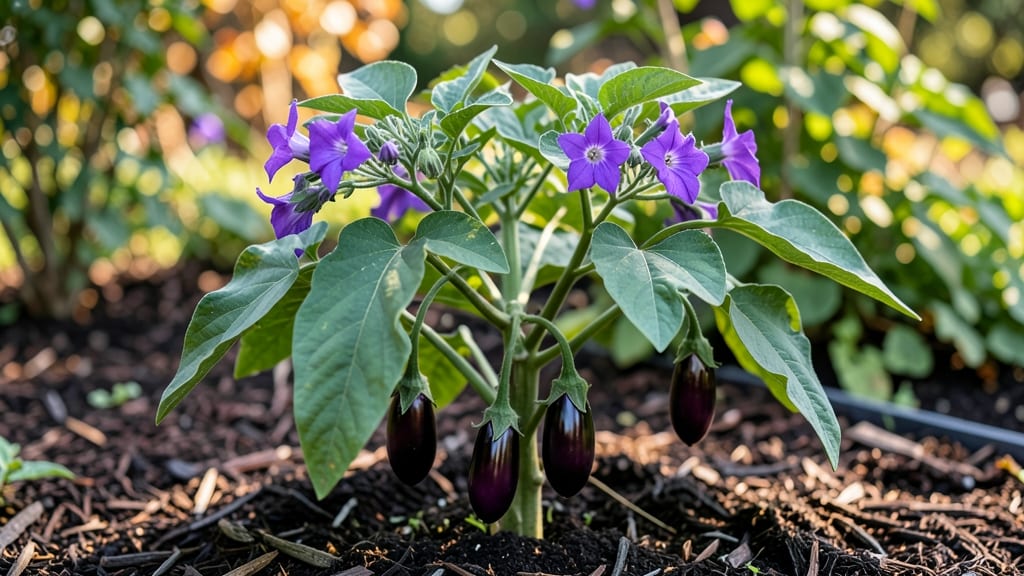
If you're planning your garden layout this spring, knowing how tall eggplant plants grow could save you from cramped spaces or wasted potential. These versatile veggies 🍆 come in surprising varieties—some stay compact while others reach nearly waist-high, completely changing how you approach their care and placement.
The average eggplant plant typically grows between 2 and 4 feet, but that range can shift dramatically depending on the type you choose. Standard varieties often hit that 3-4 foot mark, while dwarf types stay cozy around 1-2 feet.
Understanding these differences helps you decide whether to dedicate a full garden bed or tuck them into containers on your patio.
What's even more interesting is how growth habits vary—some sprawl while others stand upright, and pruning or support structures can tweak their height.
Whether you're working with limited space or aiming for a bountiful harvest, getting this right makes all the difference in how much you'll actually get to enjoy from your plants.
Let's break down the exact heights by variety and share some pro tips to keep your eggplants thriving—no matter how much vertical room you've got to work with. You'll be surprised at how a little planning can transform your garden's productivity!

Eggplant plant height by variety: exact growth measurements
If you're planning your garden layout, knowing eggplant plant height is essential for spacing and support. Most varieties fall between 2 to 4 feet tall, but some dwarf types stay under 2 feet, while giant varieties can reach 5 feet or more.
The right variety can transform how you grow eggplants—whether in containers, raised beds, or traditional garden plots.
Eggplant growth habits vary dramatically: some sprawl as indeterminate vines, while others grow as compact bush plants. This means your choice of variety directly impacts plant spacing and whether you'll need trellises or cages.
Let’s break down the exact heights by type so you can pick the perfect fit for your space.
| Variety Type | Mature Height | Vine Spread | Growth Habit | Best For |
|---|---|---|---|---|
| Dwarf/Bush | 1–2 feet | 1–2 feet | Compact, upright | Containers, small gardens |
| Standard | 3–4 feet | 2–3 feet | Upright, bushy | Raised beds, in-ground plots |
| Indeterminate | 4–6 feet | 3–5 feet | Vining, sprawling | Trellises, large gardens |
| Giant Varieties | 5–7 feet | 4–6 feet | Tall, vigorous | Specialty gardens, support structures |
For example, Black Beauty, a classic standard variety, typically grows to 3–4 feet tall with a 2-foot spread. This makes it ideal for raised beds or in-ground planting with 18–24 inches of spacing between plants.
In contrast, Fairy Tale, a dwarf variety, stays under 2 feet tall, perfect for 5-gallon containers on patios.
If you're growing indeterminate varieties like Ichiban, expect heights of 4–6 feet and a sprawling vine spread. These need trellises or cages to support their weight and prevent fruit rot. Without support, they’ll flop and take up more space than anticipated, reducing airflow and increasing disease risk.
Giant varieties like Big Zebra can reach 7 feet tall and produce foot-long eggplants. These are best for gardeners with vertical space and a willingness to invest in strong stakes or trellis systems. Even in ideal conditions, these giants need at least 3 feet of spacing to thrive.
Your growing conditions also affect height. Eggplants grown in poor soil or with insufficient sunlight may stay shorter, while those in rich, well-draining soil with full sun will reach their full potential. Overcrowding can stunt growth, while pruning side shoots can encourage taller, more productive stems.
For container gardening, choose dwarf varieties like Patio Baby or Hansel, which max out at 2 feet tall. Even these need at least a 5-gallon pot and regular feeding to compensate for limited root space. Avoid standard varieties in containers—they’ll become root-bound and stressed.
Pro tip: If you love large eggplants but have limited space, try pruning techniques. Pinch off lower leaves to encourage upward growth and remove side shoots to direct energy to fewer, larger fruits.
This works best with standard or indeterminate varieties and can reduce height by 1–2 feet while boosting yield.
Before planting, check your variety’s specific height requirements—seed packets often list mature sizes. If you’re unsure, err on the side of more space rather than less. Eggplants appreciate room to breathe, and proper spacing reduces competition for nutrients and sunlight, leading to healthier plants and bigger fruits.
How to control eggplant plant height for small spaces
If your garden space is limited—whether it's a balcony, patio, or crowded backyard—you can still grow eggplants without sacrificing yield. The key is using the right training techniques to keep plants compact while ensuring they produce healthy fruit.
Even standard varieties can be managed to fit tight spaces with minimal effort.
Eggplants naturally grow 2 to 4 feet tall, but their height depends on the variety and how you care for them. Dwarf varieties like 'Fairy Tale' stay under 2 feet, while larger types can stretch taller if left unchecked.
The good news? With simple pruning, staking, and training methods, you can control their growth and maximize your harvest in small areas.
Step-by-Step Guide to Controlling Eggplant Height
-
1. Choose the Right Variety
Opt for dwarf or compact varieties like 'Patio Baby' (1-2 ft) or 'Rosa Bianca' (2-3 ft). These are bred for smaller spaces and require less support. -
2. Use Support Structures Early
Install bamboo stakes or cage supports at planting time. Gently tie the main stem to the stake as it grows to encourage upright growth and prevent sprawling. -
3. Prune Strategically
Remove side shoots (suckers) that grow from the stem's base. Focus on keeping the main stem strong, as it produces the most fruit. Use clean, sharp pruning shears to avoid damaging the plant. -
4. Train Vines with Trellises
For indeterminate varieties, use a trellis or wire frame to guide vines upward. This saves space and improves air circulation, reducing disease risk. Harvest fruit as it ripens to encourage more production. -
5. Container Gardening Tips
If growing in pots, choose containers at least 12 inches deep and wide. Use a well-draining potting mix and fertilize regularly to support compact growth. Place containers in full sun for best results. -
6. Monitor and Adjust
Regularly check for overcrowding or excessive branching. Thin out leaves if needed to improve airflow. In small spaces, avoid over-fertilizing with nitrogen, as it promotes leafy growth over fruit.
One of the biggest mistakes gardeners make is waiting too long to prune or stake their eggplants. Early intervention is key—start supporting plants when they're young to prevent them from becoming unmanageable.
For example, if you notice a plant leaning or spreading too much, tie it to a stake immediately to redirect its energy upward.
For container gardening, I recommend using self-watering pots to maintain consistent moisture without overwatering. Eggplants in containers dry out faster than in-ground plants, so deep watering every 2-3 days is essential. Pair this with a balanced fertilizer (like 10-10-10) every 4-6 weeks to keep plants healthy and compact.
With these techniques, you can grow eggplants in even the smallest spaces—whether it's a balcony planter, raised bed, or window box. The secret is combining the right variety, support, and pruning to keep plants at an ideal height while maximizing your harvest.
Happy gardening! 🌱