
Plants
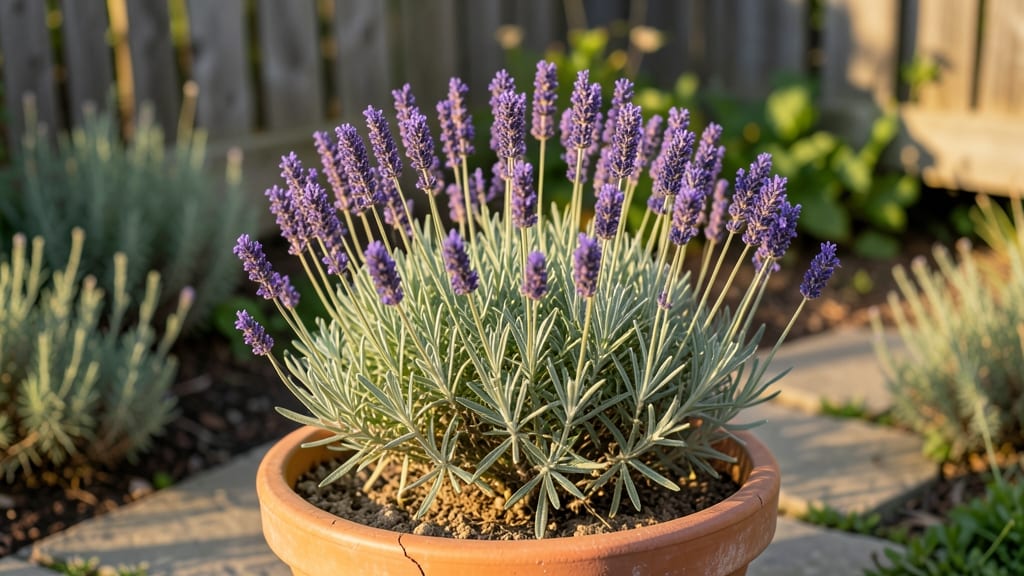
Wondering how tall does a lavender plant grow and whether it’ll fit perfectly in your garden or need a trim? The answer depends on the variety you choose, because lavender’s height can range from just 1 foot for compact types to over 3 feet for taller varieties.
If you’re planning your garden layout, knowing these height differences is the key to creating a balanced look. Some lavender varieties stay low and bushy, making them ideal for borders or containers, while others grow tall and dramatic, perfect for adding height to flower beds.
But here’s the best part: with the right pruning techniques, you can control lavender’s growth and keep it at your desired height. Whether you want a neat, manicured look or a wild, natural appearance, I’ll show you exactly how to maintain your lavender’s size.
Let’s dive into the details so you can pick the perfect lavender for your space and keep it thriving year after year.

Lavender height ranges by popular varieties: what to expect
Choosing lavender for your garden means balancing fragrance, beauty, and space. The height differences between varieties can be dramatic—some stay under 12 inches while others reach 4 feet. Knowing these ranges helps you plan borders, containers, or fragrant hedges without surprises.
Below, I’ll break down the most popular types and their mature heights, so you can pick the perfect fit for your space.
Lavender’s growth habits depend on its genetic type (English, French, or Spanish) and how you care for it. English lavender tends to be the tallest, while Spanish lavender often stays compact.
French lavender, or Lavandula stoechas, offers a middle ground with unique flower shapes. Pruning also plays a huge role—neglecting trims can make even dwarf varieties sprawl.
Here’s a quick visual guide to help you compare heights at a glance:
| Variety | Mature Height | Spread | Best For |
|---|---|---|---|
| English Lavender (Lavandula angustifolia) | 2–3 ft | 2–3 ft | Borders, hedges, fragrant pathways |
| French Lavender (Lavandula stoechas) | 1–2 ft | 1.5–2 ft | Containers, rock gardens, small spaces |
| Spanish Lavender (Lavandula dentata) | 2–4 ft | 3–4 ft | Large gardens, wildflower meadows |
| Dwarf English (Lavandula angustifolia 'Hidcote') | 1–1.5 ft | 1–2 ft | Window boxes, urban gardens |
| Grosso Lavender (Lavandula x intermedia 'Grosso') | 3–4 ft | 3–4 ft | Cut flower gardens, privacy screens |
If you’re working with limited space, dwarf varieties like 'Hidcote' or 'Munstead' are game-changers. These stay under 18 inches and thrive in containers, making them perfect for patios or balconies. For bold statements, Spanish lavender or Grosso can create dramatic focal points in larger gardens.
One common mistake is assuming all lavender grows the same. English lavender, for example, matures at 2–3 feet, while Spanish lavender can stretch to 4 feet if unpruned.
Always check the variety’s tag or description—this small step saves headaches later. I’ve learned this the hard way with a Grosso plant that nearly reached my roof!
For container gardening, choose varieties that won’t outgrow their pots. French lavender (Lavandula stoechas) is ideal—its 1–2 foot height fits most standard containers, and its unique rabbit-ear flowers add visual interest.
Just ensure the pot has drainage holes to prevent root rot, a common issue with overwatered lavender.
In full sun and well-draining soil, lavender reaches its potential height faster. If your garden has partial shade, expect slower growth and shorter stature. I’ve seen English lavender in shady spots max out at 1.5 feet instead of the usual 2–3 feet.
Always plant lavender where it gets at least 6 hours of sunlight daily for optimal growth.
Pruning in early spring keeps lavender compact and encourages bushier growth. Cut back one-third of the previous year’s growth to maintain desired height. For taller varieties like Grosso, a light trim after flowering prevents legginess.
I prune mine right after the June blooms fade—this keeps them lush and fragrant for months.
If you’re planning a lavender hedge, space plants 18–24 inches apart for dwarf varieties and 3–4 feet apart for taller types. This ensures they fill in without crowding.
For a romantic cottage garden, mix heights—place dwarf varieties in front and taller ones in back. The layered look creates depth and visual appeal.
Remember, lavender’s height isn’t set in stone. With the right care and pruning, you can shape it to fit your vision—whether that’s a neat 1-foot border or a 4-foot fragrant hedge. Start with the variety that matches your space, then adjust as it grows. Happy gardening!
How to control lavender height: pruning tips for compact growth
Lavender’s natural height can quickly become unruly if left unchecked, especially for taller varieties like Spanish lavender that reach 3-4 feet. The key to maintaining your desired height lies in strategic pruning—a practice that encourages bushier growth while preventing leggy stems.
I’ve learned that timing and technique make all the difference, so let’s dive into the essentials.
Most gardeners make the mistake of pruning lavender at the wrong time, often cutting back after flowering when the plant is already stressed. Instead, focus on early spring pruning (just as new growth appears) to shape your plant before it puts energy into flowering.
This approach keeps your lavender compact and full while preserving its signature fragrance.
⚠️ Watch Out for Over-Pruning!
Lavender plants hate being sheared like a hedge. Cutting into old wood (more than 1/3 of the stem) can kill the plant. Always trim just above a leaf node to encourage new growth from the base. Dwarf varieties (1-2 ft) need minimal pruning, while taller types (3-4 ft) benefit from annual shaping.
Start by gathering your tools: sharp bypass pruners for clean cuts and sterilized shears to prevent disease. I recommend disinfecting your tools with rubbing alcohol before each use—this simple step has saved my lavender from fungal infections in past seasons.
For compact growth, aim to trim back 1/3 of the previous year’s growth in early spring.
Here’s my step-by-step method: First, remove any dead or woody stems at the base. Then, cut back the remaining stems by about 3-4 inches, making your cuts just above a set of leaves.
This encourages new side shoots to form, creating a fuller, bushier plant. Avoid cutting into the woody center—this is where the plant stores energy for next year’s growth.
Seasonal adjustments are crucial. In late summer, after flowering, give your lavender a light trim to remove spent blooms and encourage a second flush of flowers. However, skip heavy pruning in fall and winter—these are dormant periods when the plant needs to rest.
Over-pruning during these times can stress the plant and reduce next year’s blooms.
For container-grown lavender, prune more frequently—every 4-6 weeks during the growing season—to maintain its shape. Use the same techniques but keep cuts slightly shorter to prevent the plant from outgrowing its pot.
Remember, lavender in containers dries out faster, so pair your pruning with regular well-draining soil and minimal watering.
With consistent care, your lavender will stay at your desired height while thriving. The secret is patience—lavender responds best to gradual shaping rather than drastic cuts.
Over time, you’ll develop an eye for the perfect balance between height control and bushy fullness, resulting in a fragrant, picture-perfect garden centerpiece. 🌿