
Plants
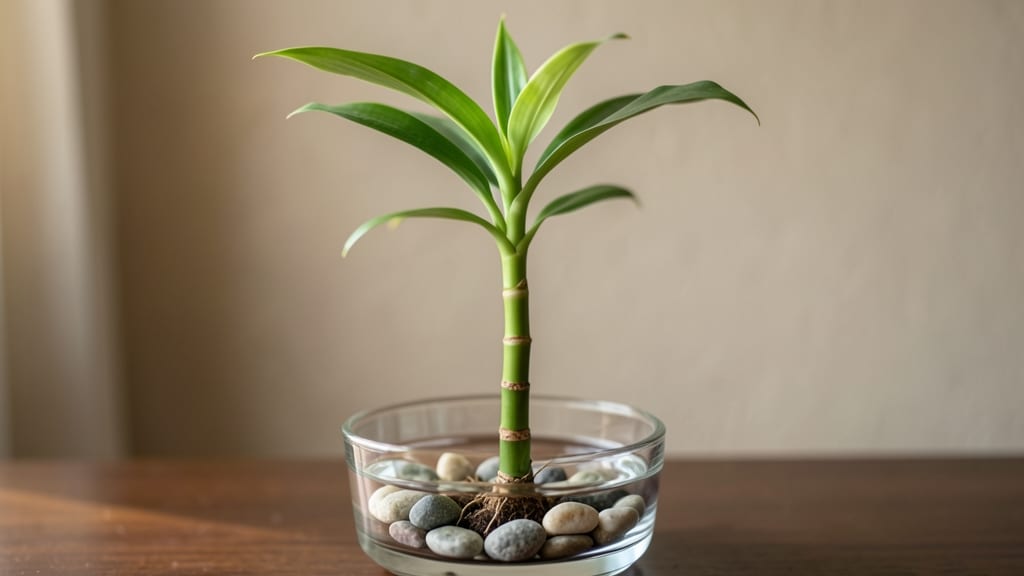
If you’ve ever wondered how tall your 🌿 bamboo could grow—whether it’ll stay a manageable accent plant or turn into a jungle giant—you’re not alone. Some species reach 100 feet, towering over trees, while others remain compact enough for containers.
The difference comes down to the type you choose and how you care for it.
Running bamboo, like the aggressive Phyllostachys varieties, can spread rapidly and climb to skyscraper heights if left unchecked. Clumping bamboo, on the other hand, stays put and rarely exceeds 20 feet, making it ideal for small yards or urban gardens.
Knowing these distinctions is the key to picking the perfect variety for your space.
Growth rates also play a huge role—some bamboo shoots can add 3 feet per year, while others grow just a few inches annually. Factors like soil quality, sunlight, and even your local climate (like USDA Zone 6a) can push a plant toward its maximum potential—or hold it back.
Ready to make an informed choice? I’ll break down the tallest (and shortest) bamboo varieties, how to control their height, and whether they’re right for your garden. Let’s get started!

Bamboo height ranges by type: from dwarf to giant species
Choosing the right bamboo variety depends entirely on your space constraints and desired aesthetic. Some species stay compact at just 3 feet tall, while others shoot up to 100 feet or more.
The key difference lies in their growth habits: running bamboos spread aggressively, while clumping types remain contained. Let’s break down the height spectrum so you can pick the perfect fit for your garden.
Before we dive into specifics, it’s crucial to understand that mature height isn’t the only factor—spread potential and growth rate also play major roles. For example, a 60-foot bamboo might sound impressive, but if it spreads 20 feet wide per year, it could quickly overwhelm your yard.
Always consider both vertical and horizontal growth when selecting varieties.
🌱
| Variety | Type | Mature Height | Spread Potential | Growth Rate | Best For |
|---|---|---|---|---|---|
| Bambusa multiplex | Clumping | 3–10 ft | Compact (3–5 ft) | Moderate | Containers, small gardens |
| Fargesia nitida | Clumping | 6–10 ft | Clumped (2–3 ft) | Slow | Shade gardens, borders |
| Borinda compacta | Clumping | 4–6 ft | Tight clump | Very slow | Containers, patios |
| Phyllostachys aureosulcata | Running | 30–50 ft | Aggressive (10+ ft/year) | Fast | Privacy screens (with barriers) |
| Phyllostachys vivax | Running | 60–80 ft | Very aggressive | Very fast | Large landscapes (professional control needed) |
| Dendrocalamus asper | Clumping | 80–100 ft | Wide clump (10–15 ft) | Moderate | Tropical regions, large estates |
Dwarf bamboos like Bambusa multiplex and Borinda compacta are perfect for small spaces or container gardening. These varieties rarely exceed 6 feet in height and stay neatly contained, making them ideal for patios, balconies, or even indoor decor.
Their slow growth rate means minimal maintenance, and they won’t outgrow their pots quickly—just ensure you use a
How growth rate and spread affect bamboo plant selection
Choosing the right bamboo variety depends on more than just height—growth rate and spread potential determine whether your bamboo thrives or becomes a nuisance. Some species shoot up 3 feet per year, while others creep aggressively underground, invading neighboring yards.
Understanding these factors helps you pick bamboo that fits your space and maintenance style.
Running bamboo, like Phyllostachys varieties, sends out aggressive rhizomes that can spread 10+ feet per year if unchecked. Clumping bamboo, such as Fargesia, grows in tight clusters and rarely spreads beyond its planting area.
Your decision hinges on whether you want dramatic height or controlled spread—and how much effort you’re willing to invest in containment.
Running Bamboo: Fast Growth, High Spread
- Grows 3-6 ft/year for rapid privacy screens
- Tolerates poor soil and drought better than clumping types
- Ideal for windbreaks and erosion control
- Requires root barriers (3-4 ft deep) to prevent spread
- Can damage foundations and sidewalks if unmanaged
- Needs regular pruning to control height and density
Clumping Bamboo: Slow Spread, Low Maintenance
- Stays contained naturally—no rhizome spread
- Perfect for containers and small gardens
- Less invasive—ideal for urban or suburban areas
- Grows slower (1-2 ft/year) for privacy screens
- May need fertilizer for optimal growth
- Some varieties sensitive to cold (USDA zones 5-7)
If you’re planting bamboo near property lines, Phyllostachys aureosulcata (running) can reach 60 feet tall but requires a 4-foot-deep root barrier to halt its spread. For containers, Bambusa multiplex (clumping) tops out at 10 feet and stays put—ideal for patios or balconies. Always check the rhizome type before buying!
Pruning techniques can also manage height. For running bamboo, cut culms (stems) at ground level in early spring to encourage new growth. For clumping types, remove dead or weak canes to maintain shape. Mulching with wood chips suppresses rhizome growth in running varieties by 20-30%.
Your climate plays a role too. In USDA zones 8-10, bamboo grows 2x faster than in colder zones. For example, Bambusa oldhamii thrives in warm climates but may struggle in zone 6. Always match your variety to your hardiness zone and sun exposure for best results.
For the fastest results, pair running bamboo with root barriers and regular pruning. For low-maintenance beauty, clumping bamboo in containers or small gardens is your best bet. Either way, bamboo’s growth habits are your greatest tool—or your biggest challenge.