
How To
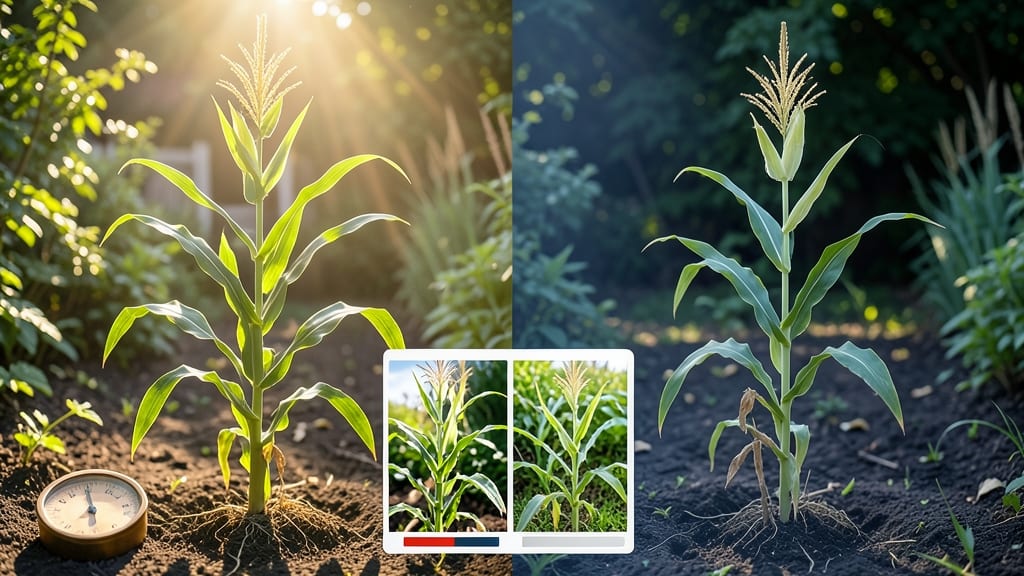
To grow thriving corn 🌽, you might be surprised by how much light a corn plant needs—more than most gardeners realize.
This sun-loving plant demands 6 to 8 hours of direct sunlight daily to produce those sweet, plump ears you crave, and getting it wrong can mean the difference between a bountiful harvest and a sad, stunted plant.
If your corn isn’t growing as expected, it could be a light issue—whether it’s not enough bright sunlight or too much harsh midday glare. The good news?
Adjusting light exposure is one of the easiest ways to turn around struggling plants, and I’ll show you exactly how to do it, whether you’re growing outdoors in Zone 6a or indoors with limited natural light.
You’ll learn the ideal sunlight balance, how to spot when your corn is getting too much or too little light, and even how to supplement with artificial lighting if needed. Let’s get your corn the perfect light conditions for lush, low-maintenance growth this season.
From choosing the best spot in your garden to troubleshooting common light-related problems, this guide covers everything you need to know. Ready to give your corn the sunlight it craves?


Ideal light requirements for corn plant growth: sunlight vs. artificial lighting
If you're growing corn—whether in your backyard or indoors—light exposure is the single most important factor for success. Corn plants are sun-worshippers, thriving under direct sunlight for most of the day. Without enough light, your plants will struggle to produce those sweet, plump ears you're craving.
Let’s break down exactly how much light corn needs and how to meet those requirements, whether you're working with natural sunlight or artificial lighting.
Corn plants require 6 to 8 hours of direct sunlight daily to grow properly. This means placing them in a spot where they receive full sun exposure, especially during the growing season (spring to early summer).
Insufficient light leads to weak stems, pale leaves, and poor ear development. On the flip side, too much intense sunlight without proper watering can cause stress, so balance is key.
Here’s the critical comparison between natural and artificial lighting for corn plants:
| Light Source | Daily Hours Needed | Intensity Level | Best For | Seasonal Adjustments |
|---|---|---|---|---|
| Natural Sunlight | 6-8 hours | Full sun (direct) | Outdoor gardens, patios | Adjust planting time in spring for longer daylight |
| Artificial Grow Lights | 12-16 hours | High-intensity (LED or fluorescent) | Indoor growing, greenhouses | Use timers for consistent 12-hour cycles year-round |
| Bright Indirect Light | 4-6 hours | Partial shade (filtered sun) | Emergency backup (weak growth) | Avoid in summer—leads to stunted growth |
For outdoor corn plants, south-facing locations are ideal because they capture the most sunlight throughout the day. If you're growing corn in containers or indoors, you’ll need to supplement with grow lights. LED grow lights are the most efficient, providing the full-spectrum light corn needs to thrive.
Position lights about 6-12 inches above the plants and keep them on for 12-16 hours daily to mimic natural daylight cycles.
Seasonal changes can affect light exposure, especially in winter or early spring. If you're growing corn indoors during shorter daylight hours, extend light exposure with grow lights to maintain the 6-8 hour minimum.
In summer, ensure your outdoor corn plants have access to consistent sunlight, even if it means moving them to a sunnier spot as the sun shifts position.
One common mistake is assuming that bright indirect light is enough for corn. While it’s better than low light, it won’t support the energy-intensive process of ear development. If your corn plants start looking leggy or pale, they’re begging for more direct sunlight.
Conversely, too much intense sunlight without proper watering can scorch leaves, so always pair full sun with consistent moisture.
If you’re growing corn in a greenhouse or indoor setup, invest in a quality grow light system. Look for lights with a color temperature of 5000K-6500K, which mimics natural sunlight.
Place the lights close enough to avoid stretching but not so close that they burn the leaves. Rotate your plants regularly to ensure even growth on all sides.
For outdoor gardeners, pay attention to your microclimate. Corn plants near buildings or trees might receive less sunlight, so plan your layout accordingly. If you notice your corn isn’t growing as expected, take note of how much sunlight it’s actually receiving.
Use a light meter or observe the shadows cast during peak sunlight hours to gauge exposure accurately.
Remember, corn plants are heavy feeders when it comes to light, but they’re also resilient. With the right light exposure—whether from the sun or grow lights—your corn plants will reward you with tall stalks, lush foliage, and sweet, juicy ears.
Start by giving them the 6-8 hours of direct sunlight they crave, and you’ll be well on your way to a bountiful harvest. 🌽☀️
Signs your corn plant isn’t getting enough (or too much) light: troubleshooting common issues
Your corn plant might be sending you SOS signals through its leaves—yellowing, browning, or stunted growth often point to light issues. Unlike many houseplants, corn thrives in bright, direct sunlight, making it sensitive to both deficiency and excess.
Let’s decode these visual clues so you can adjust your setup before it’s too late.
When corn lacks 6-8 hours of sunlight, its leaves start yellowing from the bottom upward. This chlorosis (loss of green pigment) happens because the plant can’t produce enough chlorophyll.
Meanwhile, slow growth or thin stalks are red flags that your corn isn’t getting the energy it needs to develop properly. Even worse, underdeveloped ears or no ears at all can result from insufficient light.
On the flip side, too much intense sunlight—especially in hot climates—can cause brown, crispy leaf edges. Your corn might also show sunburn spots (white or gray patches) or wilting during peak afternoon heat.
These signs mean your plant is struggling to regulate its moisture, leading to leaf scorch or even stunted growth as it conserves energy.
🌽 Corn Light Crisis Checklist
Your corn needs 6-8 hours of direct sunlight daily. If you see these signs, act fast:
- Yellowing leaves: Move to brighter spot or add grow lights.
- Brown tips: Reduce afternoon sun or provide shade cloth.
- Slow growth: Ensure full sun exposure or supplement with LED grow lights.
- No ears: Increase sunlight to at least 8 hours/day.
If your corn is indoor-bound, place it near a south-facing window where it can soak up 6+ hours of direct light. For grow lights, opt for full-spectrum LEDs (12-16 hours/day) positioned 6-12 inches above the plant.
Rotate the plant weekly to prevent one-sided growth or leggy stalks.
For outdoor corn, watch for afternoon shade during extreme heat—use 30-50% shade cloth if temperatures exceed 90°F (32°C). Mulch around the base to retain moisture and reduce stress from heat stress.
Remember, corn is a sun-worshipper, so even partial shade can lead to poor ear development or weak stalks.
Pro tip: Monitor your corn’s light exposure daily. If you notice leaves leaning toward the light or pale, weak growth, it’s time to reposition or supplement. With the right light balance, your corn will reward you with tall, sturdy stalks and plump, sweet ears in no time.